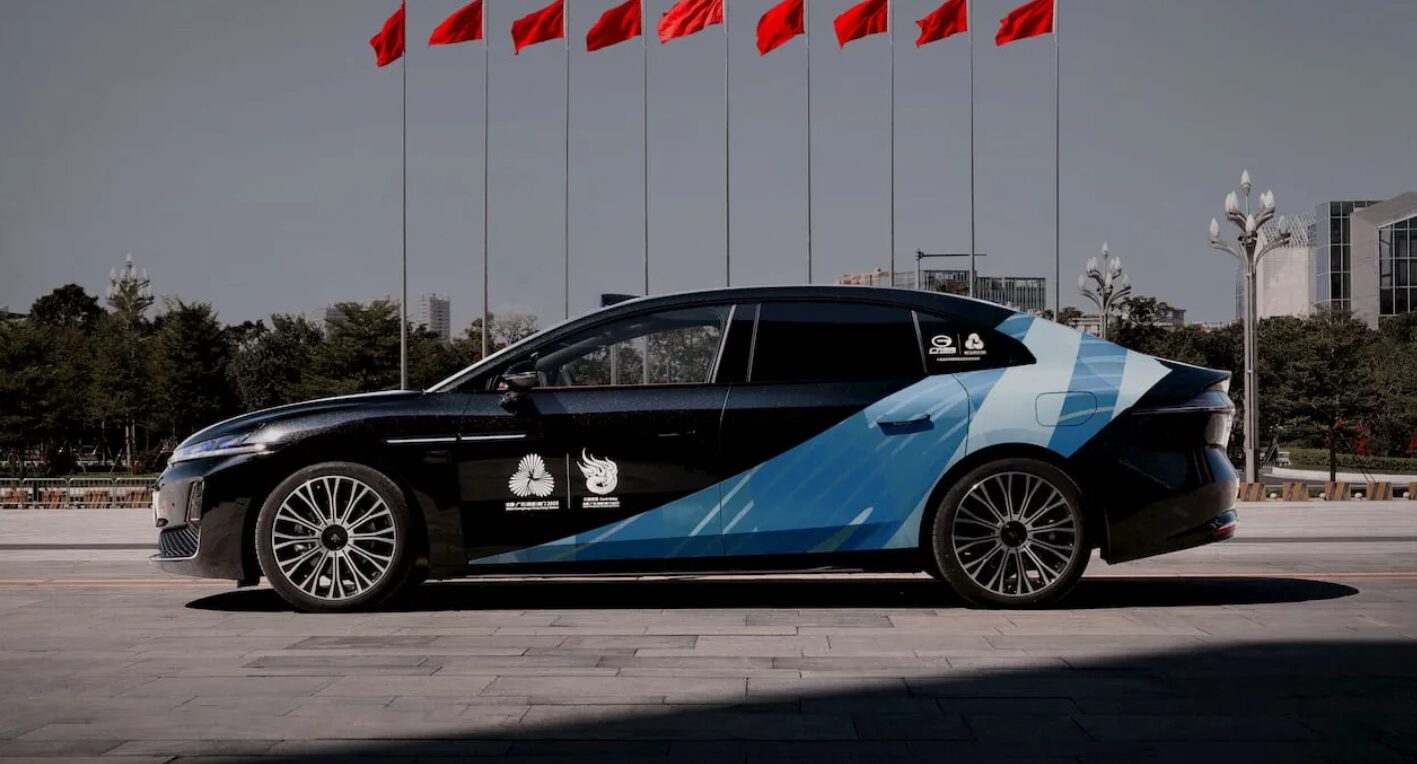
Dead phone anxiety feels manageable compared to EV range paranoia, but Greater Bay Technology just delivered the breakthrough that could change your next EV purchase. The GAC-backed company rolled out its first A-sample all-solid-state battery cells in April 2026, achieving energy densities of 260-500 Wh/kg—nearly double what your current EV packs deliver. These liquid-free cells survived nail penetration and thermal shock tests without catching fire or exploding.
Technical Victory Where Others Stumbled
While rivals chase sulfide or oxide routes that crumble under real-world conditions, GBT developed a composite electrolyte that balances ionic conductivity with actual buildability. The cells support stable 2-3C fast charging—meaning your future EV could charge dramatically faster without the battery degrading like a forgotten iPhone.
Production at their Nansha facility already meets automotive-grade standards, backed by over 50 patents across electrolytes and manufacturing processes. This represents a genuine leap from laboratory curiosities to mass-producible technology.
The Race Just Got Serious
- BYD targets small-batch production in 2027 with 400 Wh/kg cells promising 1,200-kilometer range
- CATL and Changan follow similar timelines
- Chery tests 600 Wh/kg cells in their Exeed models
- Toyota’s 2025 prototypes continue development
- Western players like QuantumScape and Factorial Energy keep pushing their commercial launches further into the decade
Industry consensus points to 2026-2027 as the pilot commercialization window, with mainstream adoption around 2030—assuming the technology actually scales beyond pilot programs.
Your Next Car Decision Timeline
This breakthrough means your next vehicle purchase might involve choosing between today’s liquid lithium-ion limitations or waiting 2-3 years for genuine 1,000+ kilometer range and worry-free fast charging. The skeptics aren’t silent—expert Ouyang Minggao predicts solid-state will capture just 1% market share within a decade.
But if GBT hits their GWh-scale production targets, range anxiety could join dropped calls and buffering videos in the dustbin of technology’s solved problems. The question isn’t whether solid-state batteries will eventually power your commute—it’s whether China’s head start in the technology becomes permanent.