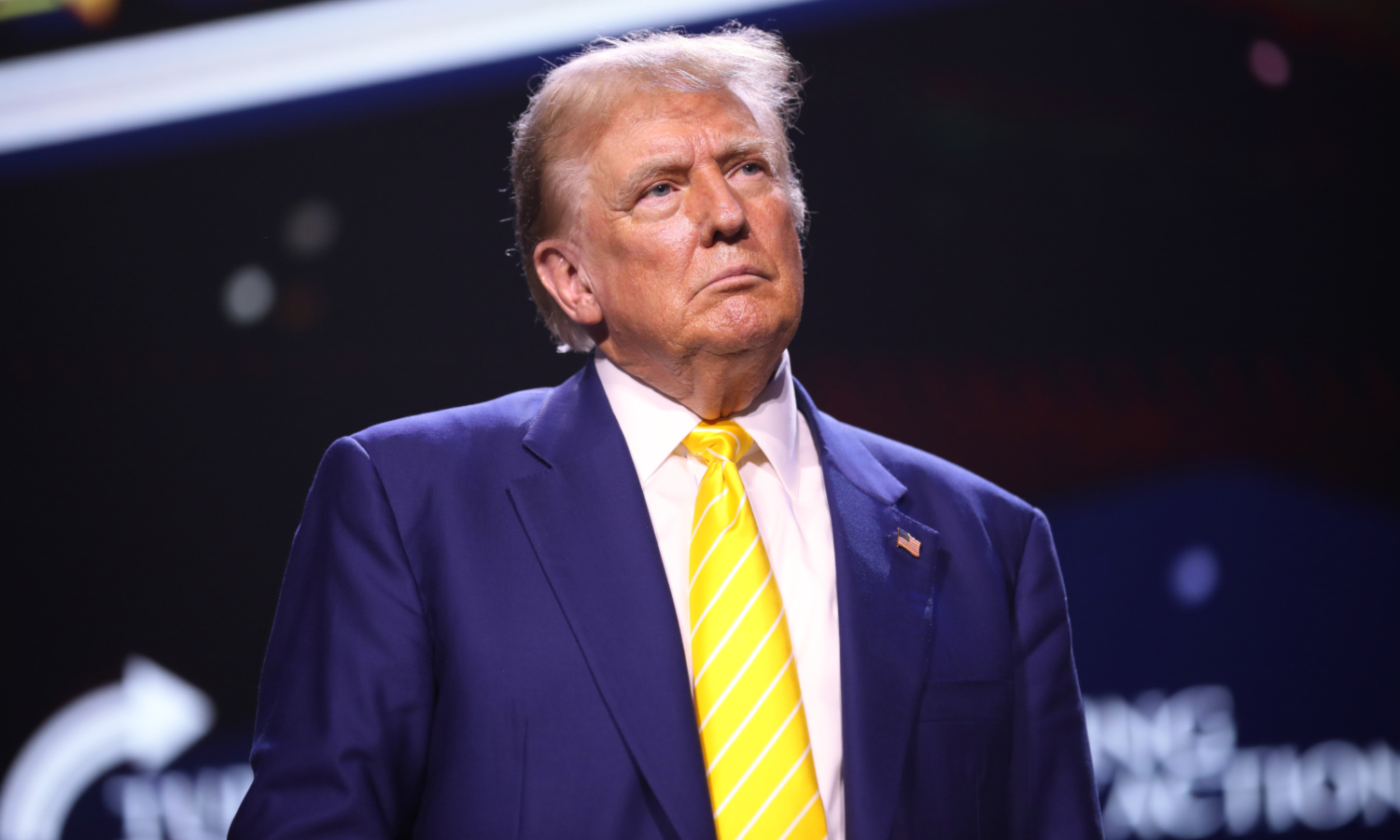
Iranian hackers just proved something unsettling about email security—not even the FBI Director is safe. The Handala Hack Team successfully breached Kash Patel’s personal Gmail account and published photographs plus documents spanning 2010-2019 online. A Justice Department official confirmed the leaked material is authentic, making this breach feel less like distant espionage and more like a preview of what’s coming for the rest of us.
Your personal Gmail suddenly feels less secure when state actors can penetrate the inbox of America’s top federal law enforcement official, highlighting broader computer problems facing everyday users.
The Digital Mercenaries Behind the Attack
Pro-Palestinian facade masks Iran’s sophisticated intelligence operation.
While Handala presents itself as pro-Palestinian hacktivists, Western intelligence agencies identify them as a front for Iran’s Ministry of Intelligence and Security. Their recent resume includes wiping 80,000-200,000 devices at medical giant Stryker Corporation and stealing 50TB of data—retaliation for U.S. strikes on Iranian schools.
The group’s methods read like a masterclass in modern social engineering. They deploy fake versions of apps you use daily—WhatsApp, Telegram, even KeePass password managers—to slip malware past your defenses.
How They’re Weaponizing Your Favorite Apps
Familiar interfaces hide sophisticated surveillance tools targeting everyday users.
Handala’s playbook exploits your trust in routine downloads. Their malware masquerades as legitimate apps before establishing remote access, recording screens and audio, then exfiltrating data through Telegram’s encrypted channels. Think of it as identity theft with geopolitical consequences.
The FBI seized Handala’s leak sites after the Stryker attack, but new domains keep appearing—a digital game of whack-a-mole that highlights how quickly these operations adapt.
What This Means for Your Digital Security
State-sponsored threats are expanding beyond government targets to civilian infrastructure.
This escalation signals a troubling shift since U.S.-Israel strikes began hitting Iranian targets in February. State-sponsored hackers traditionally focused on military and diplomatic targets, but Handala’s attacking medical device companies and publishing personal correspondence suggests the rules are changing.
Your email provider’s security suddenly matters more when foreign intelligence services treat civilian accounts as fair game. The breach of Patel’s Gmail—someone who presumably understands digital security risks—shows how sophisticated these attacks have become. If the FBI Director’s personal email isn’t safe, consider upgrading your own defenses accordingly.