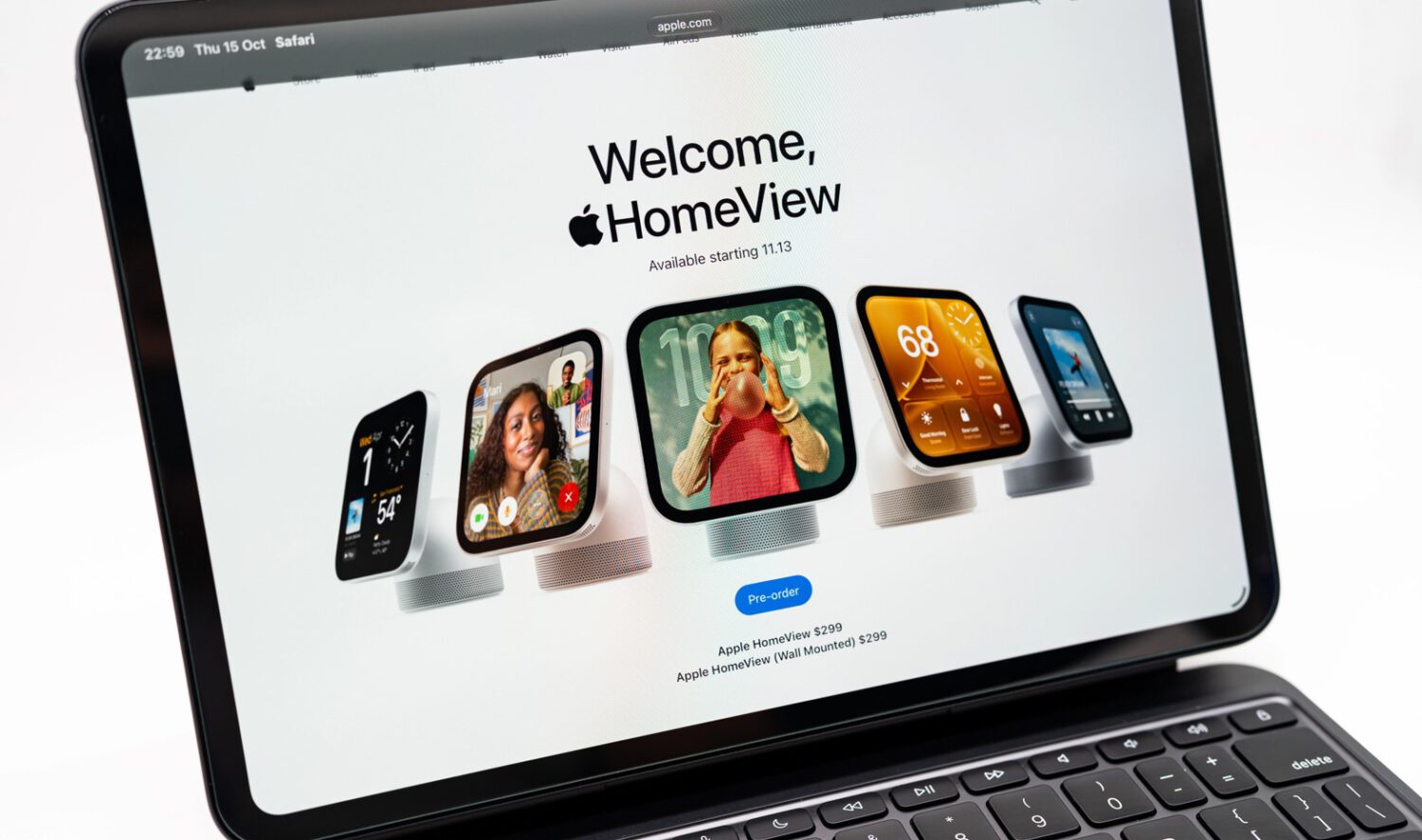
HomeView, Apple’s smart home display, runs on an A18 chip built around a technology called Secure Exclaves, protected runtimes that process camera and microphone data separately from the main operating system. Apple’s stated answer to the secretly tracking users question is architectural: during ambient processing, raw sensor data does not leave that protected environment.
Two Modes, One Rule
Apple splits camera and microphone access into two distinct states, enforced through a combination of silicon isolation, controlled interfaces, and hardware-protected indicators.
In ambient mode, sensors respond to environmental triggers, only limited metadata crosses to the main operating system, and no active-use indicator is required. In active mode, full sensor data can reach the OS, but a hardware-enforced indicator must be visible to the user and, according to Apple’s security blog, cannot be suppressed by the main OS.
That last point matters. Apple says the indicator is itself protected by the Secure Exclave, meaning the warning cannot be disabled by software while sensor data flows to the operating system.
How HomeView Recognizes You
The recognition pipeline involves two separate exclaves, and what reaches the operating system stops well short of a photograph or audio recording.
Camera frames are processed inside a dedicated camera exclave rather than passed to the main OS. A separate person-recognition exclave runs face and voice models against an enrolled identity database; Apple’s HomeView product page confirms the system supports up to six people.
What the OS receives is a confidence score, a person identifier, and a position signal, according to MacRumors reporting on Apple’s technical explanation. Those recognition signals can then activate personalized features such as Calendar and Messages, per Apple’s HomeView materials.
The Part Worth Reading Carefully
Knowing who is in the room and where they are standing carries real informational weight, even without a photo or recording.
During ambient processing, raw camera and microphone data stay confined to the Secure Exclaves, but HomeView does share derived metadata with the main operating system. That distinction is precise and important: this is not a system where no data crosses any boundary.
The architecture shifts trust toward hardware-enforced isolation rather than conventional surveillance app permissions. Its effectiveness depends on Apple’s implementation of the silicon, the recognition models, and the interfaces controlling what can pass between components.
Same Architecture, More Devices
The same Secure Exclave approach extends to camera and microphone indicators across several recent Apple products.
Apple’s security blog identifies the iPhone 18 Pro, iPhone 18 Pro Max, iPhone Duo, and MacBook Neo as products whose indicators are protected by this architecture. It also supports ambient features including Siri Recap and Live Rewind, according to that same documentation.
What No One Can Fully Confirm Yet
The privacy protections are Apple’s architectural and product assertions; independent verification through ordinary hands-on use has not been possible.
Popular Science noted in its HomeView review that the protections Apple describes could not be fully verified through standard testing. That is not an accusation against Apple’s claims; it reflects an honest limitation of what conventional product reviews can establish about home security systems and hardware-level security.