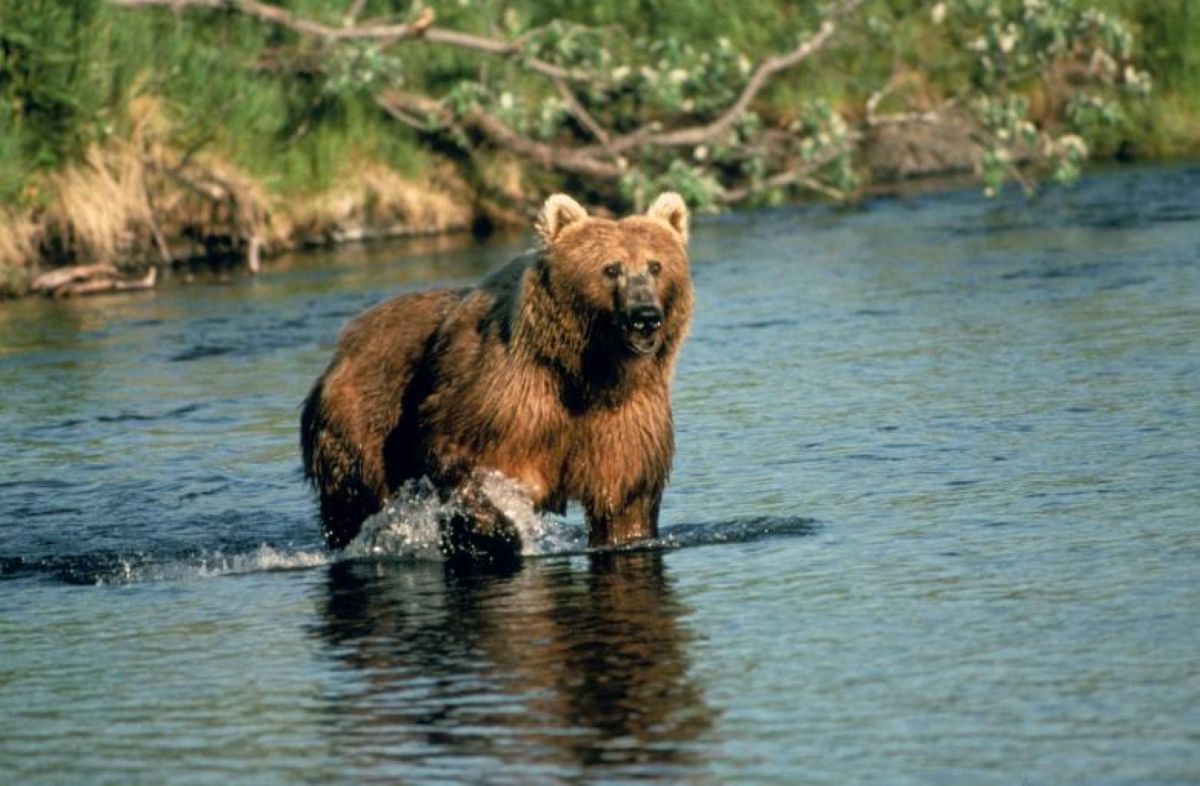
A healthy 29-year-old hunter just became Alaska’s first documented case of “seal finger” disease contracted from a brown bear rather than direct seal contact. The September 2024 incident near Ivanof Bay marked a troubling medical first — proving this dangerous bacterial infection can transfer through Alaska’s complex coastal food web.
Bear’s Diet Creates Unexpected Disease Vector
The hunter nicked his left pinky while skinning a brown bear on the Alaska Peninsula, initially treating the cut like any field injury. What he didn’t know: that bear had been feeding on seals and marine mammals, harboring Mycoplasma phocimorsus in its mouth and on its hide. This pathogen, traditionally linked to direct seal processing, found a new route to human infection through Alaska’s interconnected coastal ecosystem.
Standard Treatment Fails Spectacularly
The case stumped Anchorage urgent care physicians initially. Topical and oral antibiotics failed completely as redness and swelling progressed to fever, rapid heart rate, and tendon damage requiring hospitalization. Even after discharge, the infection returned 40 days later with bone and cartilage degradation — despite negative bacterial cultures. Only DNA sequencing finally identified the elusive Mycoplasma pathogen.
Diagnostic Victory Builds on Rare Experience
Dr. Benjamin Westley, who diagnosed this case, had seen seal finger only once before — from a direct seal exposure in 2015. “What was particularly shocking… not responding properly to antibiotics,” Westley noted about the delayed diagnosis. His experience proved crucial, as most physicians would never encounter this condition.
Skip Scott, a Fairbanks taxidermist who survived seal finger in the 1960s, confirms Alaska Natives have long known the danger: “They’ve known about Seal Finger for a long time.”
Prevention Protects Against Permanent Damage
Your best defense starts before the first cut. Wear cut-resistant gloves layered with nitrile when processing any game — especially bears that might have scavenged marine mammals. Wash wounds immediately with soap, and seek medical attention quickly for cuts that show unusual swelling or resistance to standard antibiotics. Early doxycycline treatment can prevent the permanent joint stiffness and disability that historically required amputation. In Alaska’s wild spaces, that small precaution could save your livelihood.