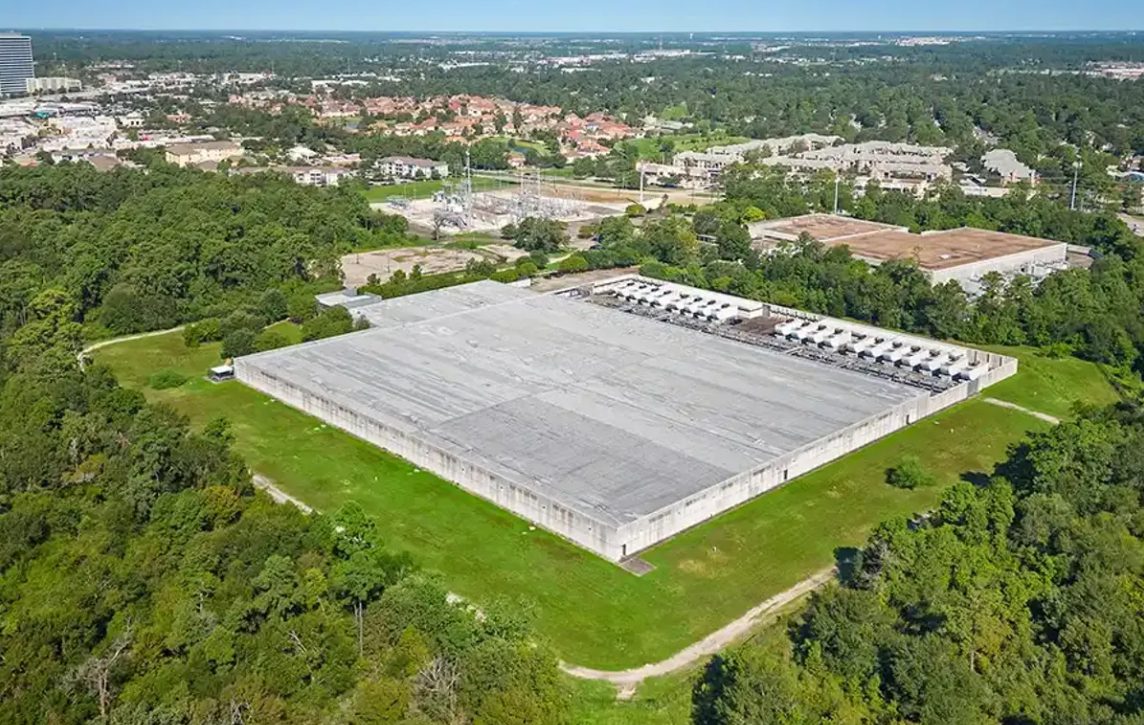
ERCOT has received grid-connection requests totaling roughly 439 gigawatts of new capacity — about five times the state’s all-time peak electricity demand. Eighty-nine percent of those requests come from data centers. This isn’t an abstract infrastructure debate. Every AI chatbot query, every cloud backup, every streamed episode lives in a physical building that draws real power and real water. Texas said yes to all of it before checking whether the plumbing could handle the load.
The Footprint Nobody Planned For
Texas keeps no public registry of data centers, so the true scale of what’s coming stays buried behind NDAs and private databases.
Consider Hood County, where a single developer’s three proposed facilities could consume enough electricity to power 3 million homes, according to CBS News reporting. That’s one county. Statewide, more than 400 data centers already operate as of September 2025, per the Houston Advanced Research Center, with at least 248 additional projects planned. Nearly half target unincorporated rural areas where counties lack meaningful zoning authority — like a franchise dropping into a small town that never voted on the rezoning.
The numbers behind that footprint are striking:
- A single hyperscale data center draws roughly 100 megawatts, equivalent to 100,000 households, per the International Energy Agency.
- ERCOT forecasts data-center demand could hit 77,965 MW by 2030, up from 9,500 MW today.
- UT Austin projects these facilities could consume 29–161 billion gallons of water annually by 2030 — up to 2.7% of statewide supply.
- The draft 2027 State Water Plan does not account for any of that growth.
The water math deserves its own alarm. Current consumption sits around 25 billion gallons annually. By 2040, UT Austin estimates data centers could claim 3–9% of total state water use — potentially exceeding oil and gas. Cooling is the culprit: servers run hot, evaporative systems eat water, and the power plants feeding those servers consume more. Dry-cooling alternatives exist but remain far from standard practice.
UT and HARC analysts put it plainly: “Texas cannot afford to treat the data center boom as just another chapter in its economic success story.”
Who’s Paying, Who’s Pushing Back
Data-center tax exemptions cost Texas over $1 billion a year while power prices in some high-density markets have spiked 267%.
The jobs-and-innovation pitch deserves scrutiny if your power bill is the thing on the line. Companies like Google, AWS, and Meta are genuinely investing — Google alone has committed $40 billion in Texas infrastructure through 2027. But data-center sales-tax exemptions cost the state over $1 billion annually. In high-density markets, power prices have surged 267% over five years, per Bloomberg data cited by Consumer Reports. Gov. Abbott directed in June 2025 that infrastructure costs stop landing on ordinary ratepayers and recommended repealing those exemptions — a notable shift from his earlier “epicenter of AI” framing.
Communities are fighting back with whatever tools they have:
- San Marcos banned data centers outright via zoning code.
- College Station killed a proposed land sale after more than 5,000 residents signed against it.
- Hill County tried a moratorium, got hit with a $100 million lawsuit, and backed down.
Counties simply lack the legal leverage that cities hold, and state Sen. Charles Perry has signaled “guardrail bills” on water use are coming in the 2027 legislative session, according to E&E News. HARC researcher Margaret Cook frames the stakes simply: “Great power becomes great responsibility.”
What Texas decides on disclosure, incentives, water planning, and local siting authority before that session will determine whether this boom gets absorbed — or breaks something. The servers won’t notice. Your county’s water supply will.