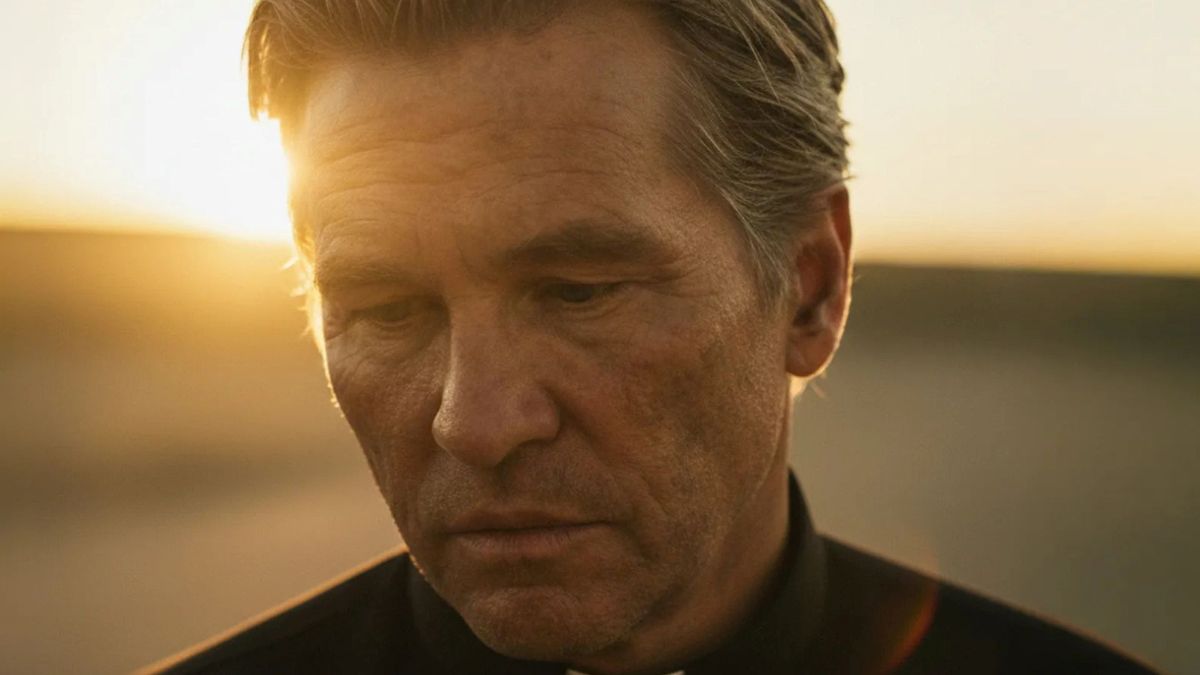
Dead actors don’t usually finish their movies, but artificial intelligence is changing that uncomfortable truth. Val Kilmer’s posthumous performance in “As Deep as the Grave” marks Hollywood’s boldest experiment yet in digital resurrection—and the ethical minefield that comes with it.
When Death Disrupts Production
Budget constraints and family consent converge on an unprecedented filmmaking solution.
Director Coerte Voorhees faced an impossible choice when Kilmer’s throat cancer prevented him from shooting scenes in 2020. Six years of development and a tight indie budget made recasting impractical.
The solution? Mine decades of archival footage, photos, and voice recordings to craft Father Fintan—a Catholic priest and Cherokee spiritualist written specifically for Kilmer’s heritage and health struggles. “Despite the fact some people might call it controversial, this is what Val wanted,” Voorhees told reporters after Kilmer’s death in April 2025 at age 65.
Family Blessing Meets Hollywood Innovation
The Kilmer children embrace technology their father already trusted with his voice.
Mercedes and Jack Kilmer didn’t just approve the AI recreation—they provided additional voice assets to make it happen. “He always looked at emerging technologies with optimism,” Mercedes explained, referencing her father’s earlier AI voice work in “Top Gun: Maverick.”
That 2022 film used similar technology to restore Kilmer’s speech after throat cancer damaged his vocal cords. The family sees this posthumous role as honoring both his artistic intentions and his willingness to embrace digital innovation when his body couldn’t keep up.
Hollywood’s AI Arms Race Accelerates
From accent refinement to full resurrection, studios push creative boundaries.
Kilmer’s digital comeback joins a growing roster of AI-enhanced performances:
- “The Brutalist” used AI to polish Adrien Brody’s accent
- Matthew McConaughey and Michael Caine licensed their voices to ElevenLabs for future projects
The technology that once seemed like science fiction now operates behind the scenes of major productions, quietly reshaping how stories get told when human limitations interfere.
The Uncanny Valley of Grief
Critics question whether digital resurrection honors legacies or wounds them.
Not everyone celebrates this technological triumph. Men’s Health called the practice a “wound” to both grieving families and human experience itself, despite family consent. The debate echoes broader concerns about deepfakes and digital consent.
You’re watching the entertainment industry wrestle with questions that have no easy answers: When does honoring an actor’s vision become exploiting their image? The future of filmmaking now includes a question no previous generation faced: Should death end a performance, or just pause it?