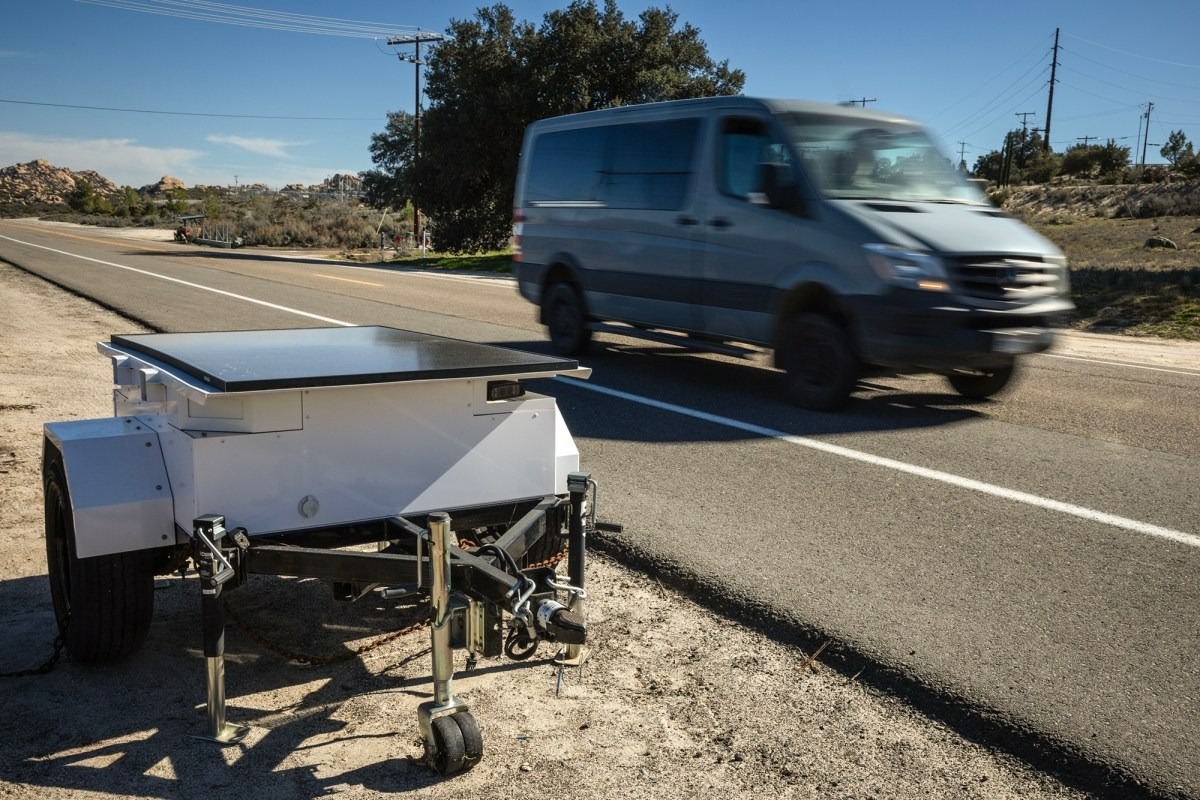
That abandoned trailer on Old Highway 80 near Jacumba Hot Springs isn’t abandoned at all. Water-damage restoration worker James Cordero discovered this unsettling truth while volunteering with migrants—the beat-up trailer conceals sophisticated license plate readers feeding data straight to federal databases. These aren’t isolated devices. Over 40 hidden cameras now monitor Southern California’s border highways, disguised in construction barrels and derelict trailers like props from a dystopian Netflix series.
Federal Agencies Deploy Stealth Surveillance on State Roads
The technology goes far beyond simple plate scanning. These automated license plate readers (ALPRs) operated by Customs and Border Protection and the DEA capture your vehicle’s make, model, state registration, GPS coordinates, timestamps, and potentially images of drivers and passengers. Every car passing Golden Acorn Casino in Campo or traveling Interstate 8 toward In-Ko-Pah Gorge triggers data collection that populates federal surveillance networks.
The Electronic Frontier Foundation mapped this hidden dragnet, revealing cameras strategically positioned to monitor major border routes while remaining invisible to daily commuters.
California Privacy Laws Meet Federal Workaround
California’s 2016 law prohibits state and local agencies from sharing ALPR data with federal immigration enforcement—but that protection evaporates when Border Patrol installs its own cameras. “By allowing Border Patrol… they’re essentially bypassing the protections under California law… a backdoor around it,” explains Dave Maass from the Electronic Frontier Foundation.
Caltrans approved 8 of 14 federal permit requests between 2015-2024 for these “law enforcement surveillance devices,” treating highway surveillance like routine construction projects. No new permits have been issued since June 2024.
Privacy Advocates Clash With Security Supporters
Your daily casino run or humanitarian volunteer work now generates a permanent digital trail in federal databases. Yet some locals welcome the monitoring. “If you’re not doing anything illegal, why worry?” asks Jacumba resident Allen Stanks, who believes ALPRs help detect trafficking patterns and locate missing persons.
Meanwhile, humanitarian workers report suspicious Border Patrol stops—like questioning a grandmother about casino visits—suggesting the surveillance influences enforcement decisions beyond simple data collection.
A coalition of 30 privacy groups demands Governor Newsom revoke these permits, while Caltrans maintains it merely provides highway access without managing the collected data. With the surveillance network’s future hanging in the balance, California must choose between resident privacy and federal security cooperation.