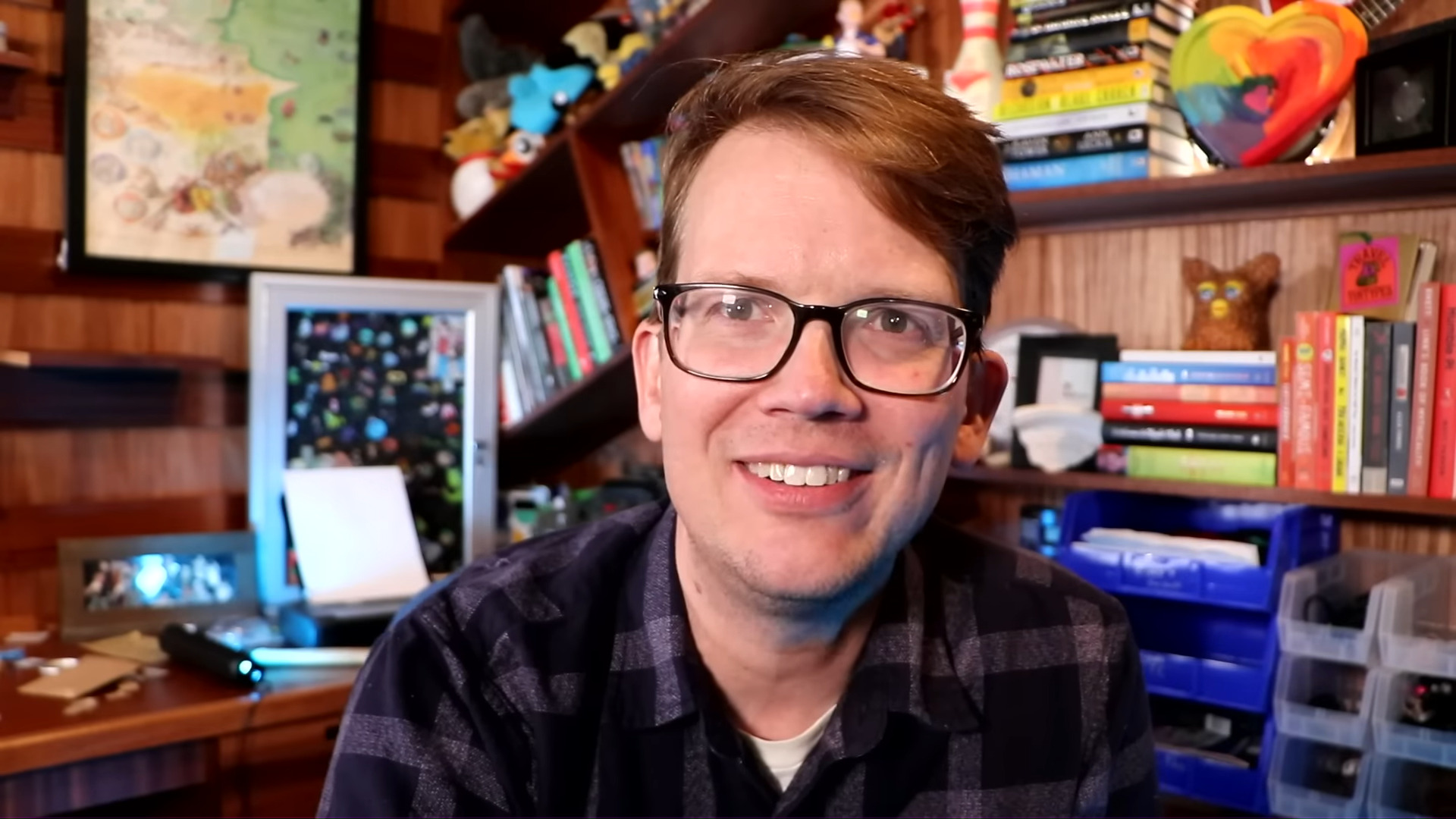
Something uncomfortable happens when the tool you trusted starts changing who you are at work. Hank Green, the science-focused YouTuber with millions of followers and a reputation built on curiosity-driven research, just admitted that his ChatGPT habit had crossed a line. Not because AI wrote his scripts — he insists it didn’t — but because leaning on it for research had started hollowing out his process. That confession landed like a smoke alarm in a house where everyone already smelled something burning.
The Line Nobody Could See
Viewers flagged the wrong sentence — but they stumbled onto the right problem.
The backlash kicked off when fans spotted a phrase in one of Green’s videos that sounded suspiciously machine-generated. Green denied it. According to reporting from the Times of India, the line was actually an ad lib during filming with a guest. The irony cuts deep: the parts where he genuinely used AI assistance weren’t the ones that triggered suspicion.
Here’s what Green actually disclosed:
- He used ChatGPT to locate research papers and resources, not to write scripts or shape his on-camera delivery
- He described the behavior as driven by a “dopamine” effect that had become “not healthy for me or good for the world,” according to Business Insider
- He said the process left him feeling disconnected from his audience
- He plans to reduce video output and may pause some projects, including puzzle games, per Analytics Insight
In a Reddit post, Green said he felt “mortified” about letting people down. That’s where the debate gets thorny. You can say the words are yours while the entire research scaffolding came from a chatbot — and technically be right. Critics aren’t buying the distinction. It’s a bit like claiming you cooked dinner from scratch after having every ingredient pre-chopped, pre-measured, and delivered to your counter.
The Bigger Confession Nobody Expected
Green isn’t performing outrage — he’s sitting with a contradiction most creators won’t publicly touch.
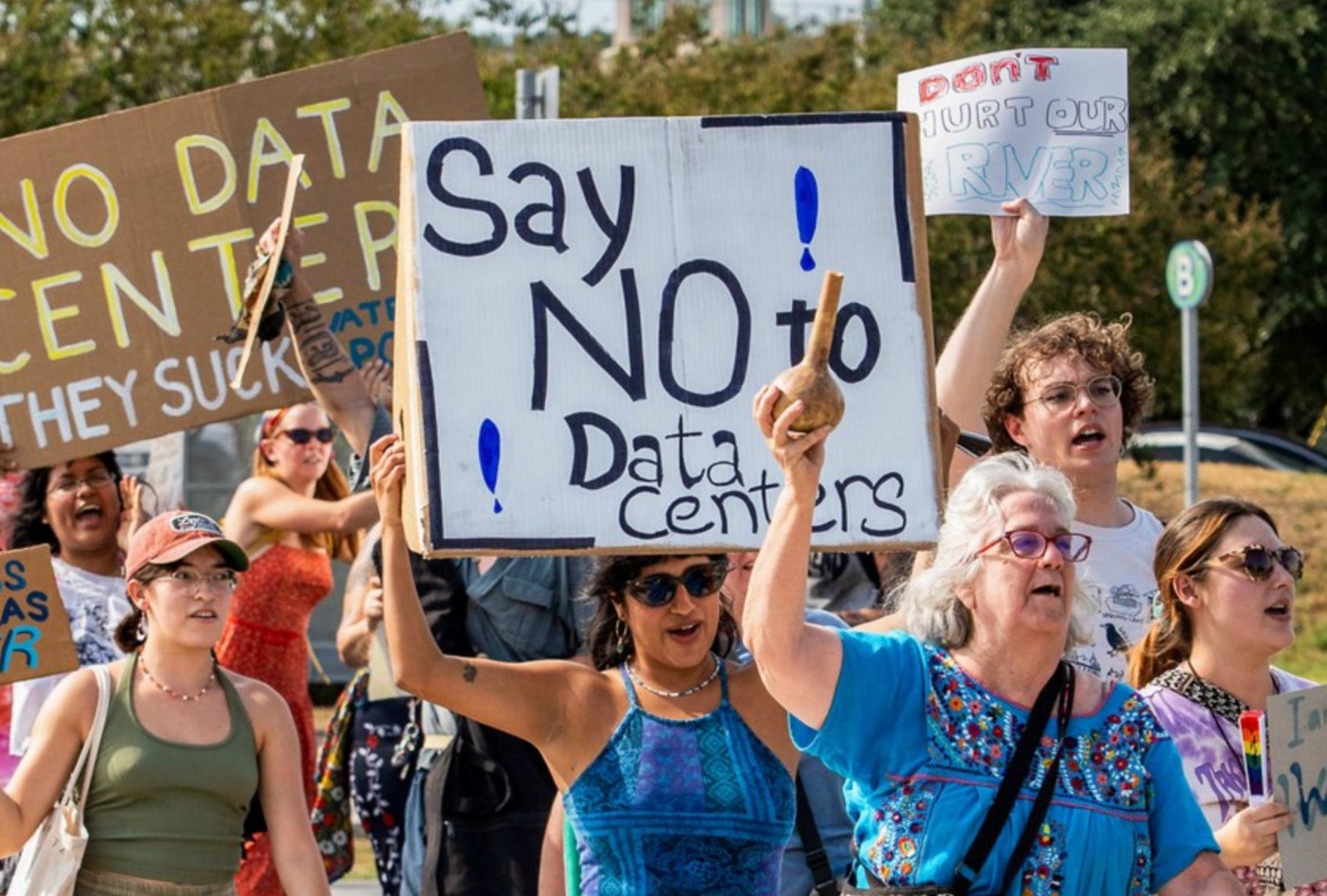
Green made clear he’s “not a pure AI-hater,” according to Business Insider. He raised concerns about AI’s environmental footprint and the pace at which AI companies are consolidating economic power. This isn’t a clean redemption arc. It’s a creator genuinely stuck between recognizing a tool’s utility and watching it quietly reshape his process in ways he didn’t fully register until his audience did.
For any creator who has let a shortcut quietly erode what made their work distinctive, Green’s reckoning will feel uncomfortably familiar. What matters most right now is what he’s actually doing about it: slowing down, posting less, and rebuilding from the studs.