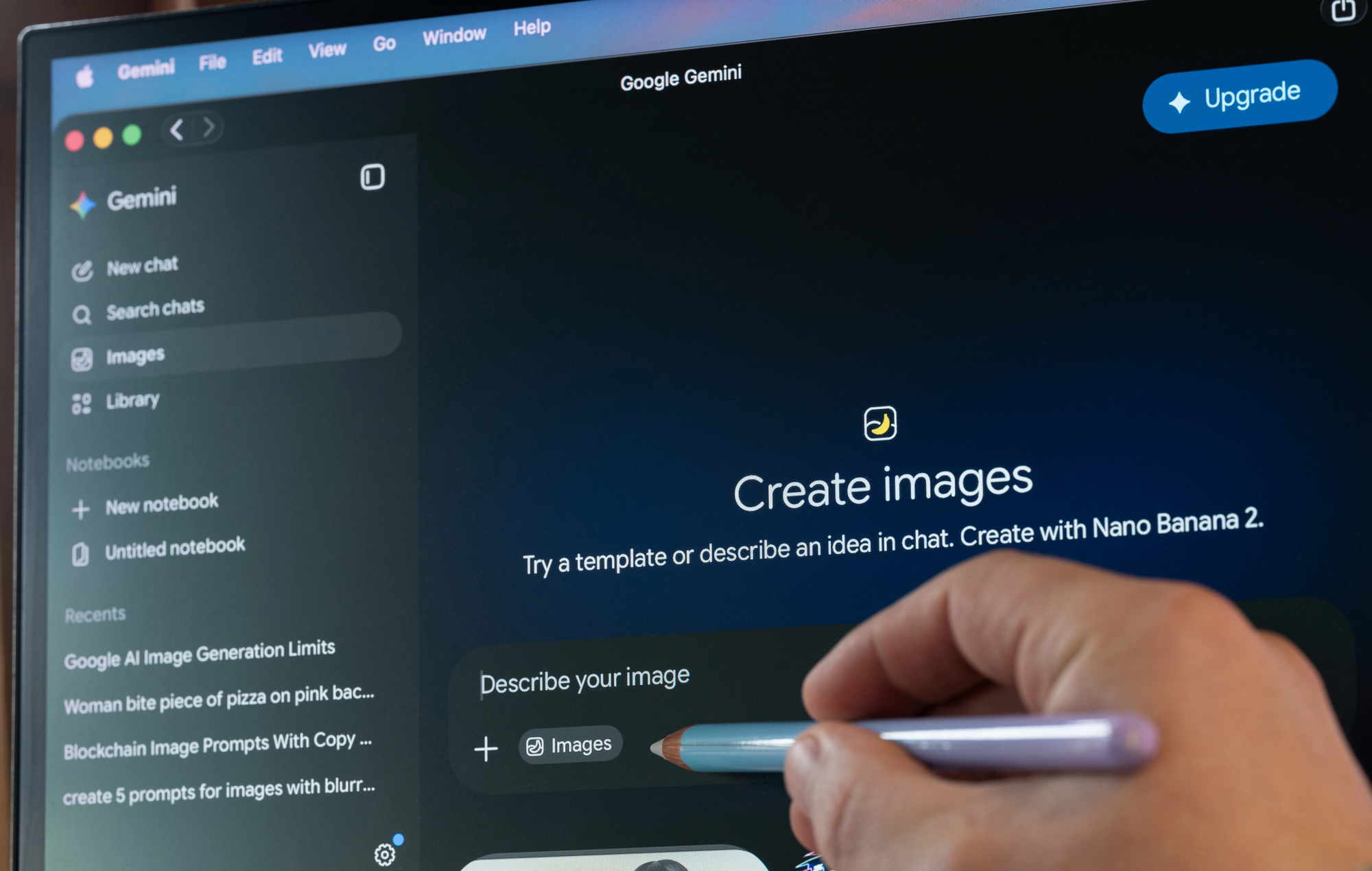
Two months ago, generating AI images that actually looked like your life required a Gemini subscription. That paywall is now gone. Google has opened its Nano Banana–powered personalized image generation to all eligible US users, turning what was a paid perk into a mass-market feature. The key word is “personalized“—Gemini doesn’t just make pictures from your prompt. It pulls context from your Gmail, Google Photos, YouTube history, and Search activity to fill in the blanks. Type something vague like “make an illustration of me and my favorite things,” and Gemini might render you surrounded by houseplants and sourdough, because it already knows. That’s either deeply cool or deeply unsettling, depending on your comfort with an AI that reads your digital diary.
What “Personalized” Actually Means Here
Gemini connects the dots across your Google apps—but only if you let it.
The underlying system, Personal Intelligence, links Gemini to your first-party Google data. Connecting apps is opt-in and revocable through settings at any time. Google states it does not train on private content like personal photos; instead, it uses metadata and limited interaction data. A “Sources” button shows exactly which apps informed each generated image—a transparency feature that feels genuinely useful rather than performative.
Here’s what changes for free users:
- Any eligible US user can now generate personalized images; image editing remains restricted to users 18 and over
- The feature runs on Nano Banana, Google’s conversational image generation model inside Gemini
- Free accounts face daily usage quotas; Nano Banana Pro—offering higher fidelity and better text rendering—remains a paid-tier upgrade
- Every output carries invisible SynthID watermarks signaling AI origin
- Europe is excluded, with GDPR and EU AI Act friction as the unspoken reason
Independent reviewers at CNET have described Nano Banana Pro as “unnervingly excellent at its job.” Free users are getting a genuine taste of that engine, with guardrails on volume.
The Strategy Behind the Generosity
Google is activating a data advantage that neither OpenAI nor Apple can easily replicate.
Think of this like a restaurant finally offering its signature dish as a free sample—generous, yes, but the goal is getting you to stay for the full meal. OpenAI has no Gmail. Apple Intelligence deliberately processes on-device with minimal data reach. Google’s cross-product data graph—Photos, YouTube watch history, Search, Gmail—is the ingredient rivals simply don’t have access to. Free access with quotas is textbook freemium: hook users on personalized images, then nudge heavy creators toward paid tiers and Nano Banana Pro. This fits squarely within Google’s broader I/O 2026 posture of mass adoption first, monetization second.
As CNBC has reported, letting Gemini connect to personal photos marks a significant deepening of the AI-to-private-data link, even as Google insists that model training stays separate from personal content.
The feature is genuinely impressive. The opt-in controls are real. But “opt-in” only protects you if you actually read what you’re agreeing to. And if personalized images land well with users, personalized video via Google’s Veo is almost certainly next on the menu.