Artificial intelligence predictions flood headlines daily, but few experts dig into the specifics of job displacement with Dr. Roman Yampolskiy‘s precision. The AI safety researcher has spent years studying which careers face extinction and which possess surprising staying power. While automation reshapes entire industries, certain roles demonstrate remarkable resistance to digital disruption. The pattern isn’t what most people expect—it’s not always about complexity or education level, but about uniquely human capabilities that machines struggle to replicate.
5. Creative and Artistic Roles

These positions require human intuition, emotional depth, and cultural understanding that AI cannot authentically replicate.
Artists, writers, musicians, and designers occupy a fascinating space in the automation landscape. Sure, AI can generate images and compose melodies, but it lacks the lived experience that fuels genuine creativity. A painter draws from heartbreak, triumph, and cultural context that no algorithm can truly comprehend. Creative professionals who adapt by using AI as a tool rather than viewing it as a threat will find themselves in an even stronger position, combining human insight with technological efficiency.
4. Mental Health and Therapy Professionals

Human connection and emotional intelligence remain irreplaceable in mental healthcare.
Therapists, counselors, and psychiatrists provide something AI cannot: authentic empathy born from shared human experience. While chatbots can offer basic support, they can’t read between the lines of what patients don’t say or provide the nuanced understanding that comes from recognizing subtle emotional cues. The growing mental health crisis actually increases demand for these professionals, making their jobs more secure rather than less. Trust and rapport—the foundation of effective therapy—require genuine human connection.
3. Skilled Trades and Hands-On Technical Work
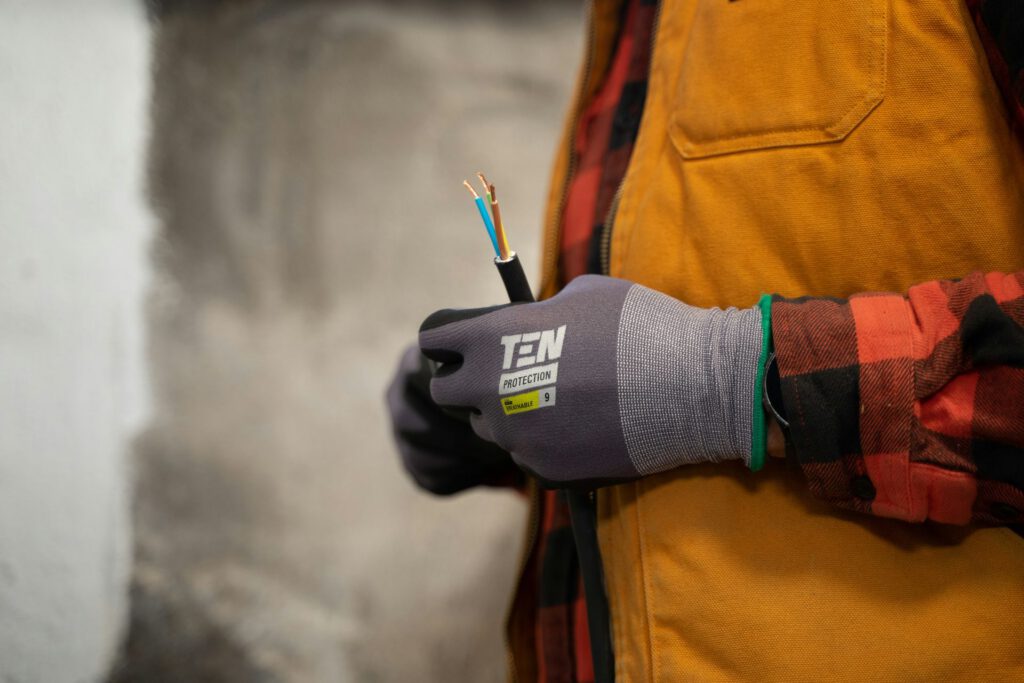
Physical dexterity combined with problem-solving in unpredictable environments keeps these roles human.
Plumbers, electricians, HVAC technicians, and similar trades workers navigate complex, variable environments that would stump even advanced robots. Each job site presents unique challenges requiring creative problem-solving and physical adaptation. A plumber crawling through a century-old building faces obstacles no algorithm anticipated. These professionals combine diagnostic thinking with manual skills in ways that remain economically unfeasible for automation, especially when considering the cost of developing robots capable of such versatility.
2. Emergency Response and Healthcare Workers

Life-or-death situations demand human judgment, adaptability, and interpersonal skills.
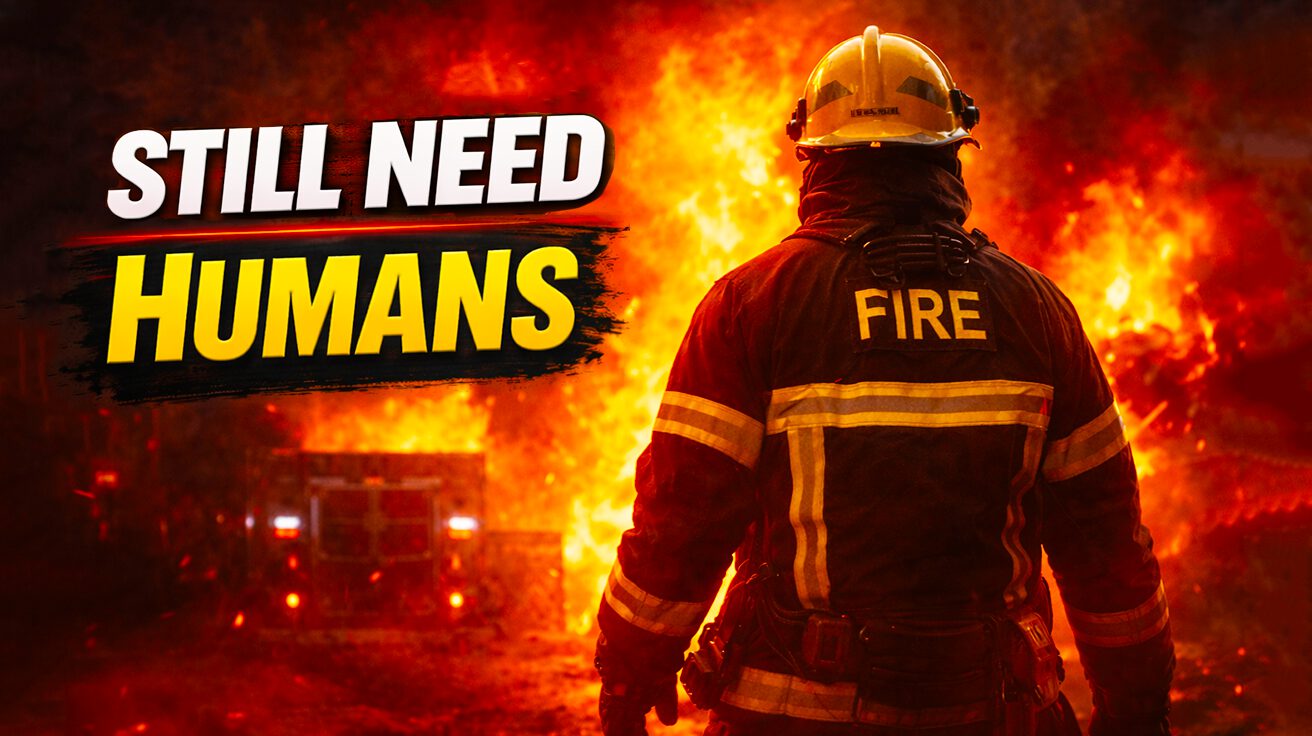
Paramedics, nurses, firefighters, and emergency room doctors work in high-stakes environments where split-second decisions can mean survival or tragedy. These roles require reading human behavior, making ethical judgments, and adapting to unpredictable scenarios. While AI assists with diagnostics and data analysis, the human elements of bedside manner, crisis communication, and moral reasoning remain irreplaceable. Patient care involves emotional intelligence and cultural sensitivity that machines struggle to master authentically.
1. Education and Personalized Instruction
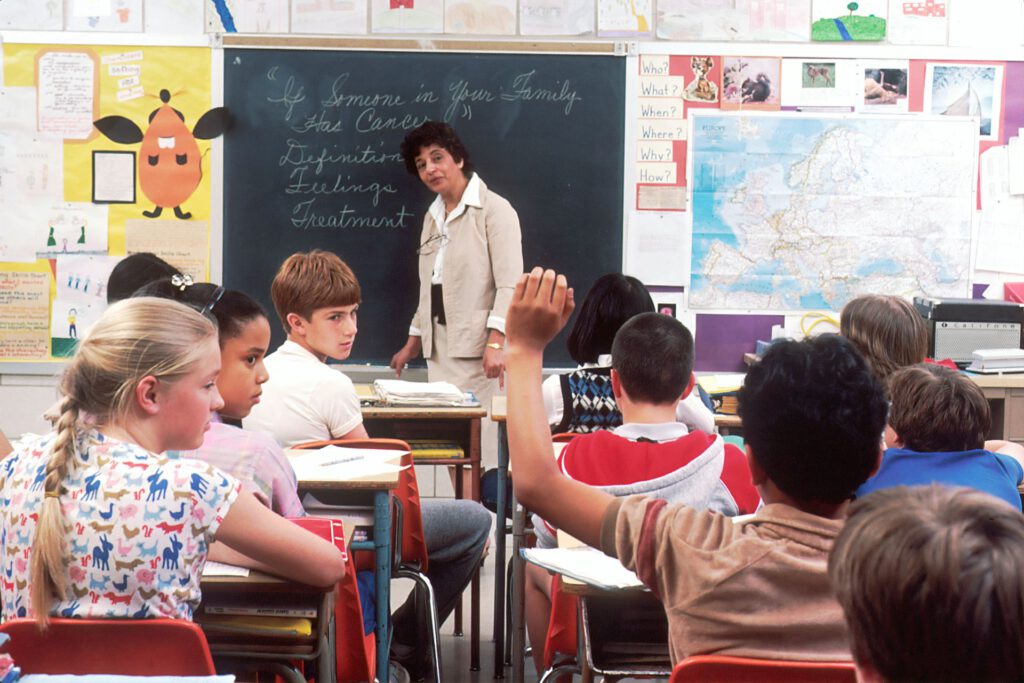
Teaching combines knowledge transfer with mentorship, emotional support, and individual adaptation.
Teachers, professors, and specialized instructors do far more than deliver information—they inspire, motivate, and adapt to individual learning styles. Effective education requires reading student emotions, adjusting approaches mid-lesson, and providing the encouragement that turns struggling learners into confident achievers. While AI can supplement instruction with personalized content delivery, the human connection that makes learning meaningful and lasting remains uniquely human. Great teachers create relationships that change lives, something no algorithm can replicate.