Wi-Fi-enabled medication tracking promises independence, but your medicine cabinet just became an actuarial data mine feeding insurance risk models.
The “Smart” Medicine Cabinet Makeover
Modern pill dispensers transform every dose into billable medical telemetry streamed to the cloud.
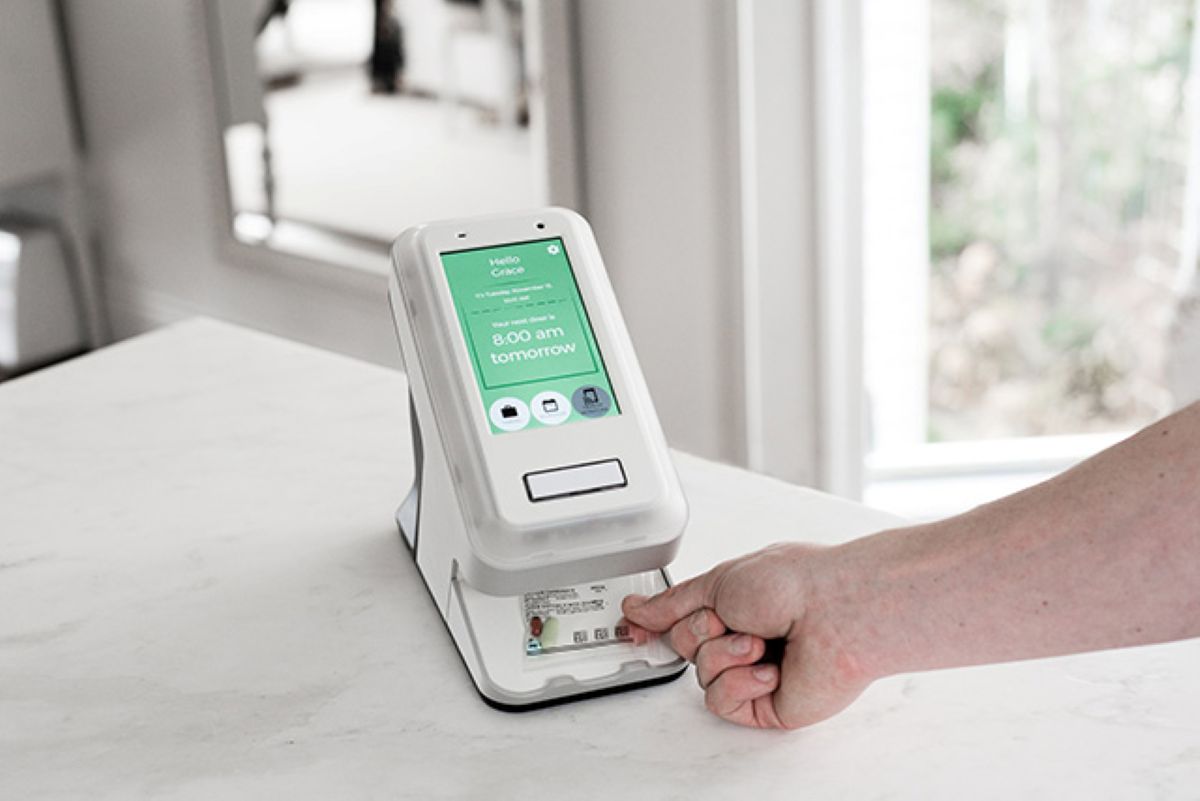
That innocent-looking pill dispenser advertising “peace of mind” and “family connectivity” isn’t just organizing your medications—it’s broadcasting your behavior to the cloud. Modern smart dispensers from Hero, MedMinder, and dozens of white-label brands pack Wi-Fi radios, cellular modems, and automatic logging systems that transform every dose into billable medical telemetry.
Your 3 PM blood pressure pill becomes a timestamp. Skip your evening statin? That’s recorded too.
These devices connect directly to Remote Therapeutic Monitoring platforms where healthcare teams track adherence patterns and generate compliance reports. What vendors frame as “better care coordination” is actually continuous behavioral surveillance dressed up as convenience.
Insurance Gets a Front-Row Seat
RTM programs turn your pill-taking data into a revenue stream for providers and device companies.
Here’s where things get interesting for your wallet. RTM programs qualify for Medicare reimbursement, making your pill-taking data a revenue stream for providers and device companies. Hero partnered with Assure Health specifically to make their dispensers Medicare-covered under RTM services.
AARP pushes Hero devices to members with exclusive discounts, normalizing the data-sharing pipeline between patients and payers.
Less than 20% of smart medication devices qualify for insurance coverage—but that selectivity isn’t random. Coverage typically requires agreeing to continuous data transmission, provider integration, and often sharing insurance details during device setup. Your “free” dispenser comes with strings attached: behavioral transparency that benefits actuarial departments more than your independence.
From Helper to Snitch
The same data alerting your doctor about missed doses feeds insurance risk modeling systems.
The same high-frequency adherence data that alerts your doctor about missed doses is perfect for insurance risk modeling. Insurers already use pharmacy claims to calculate medication adherence scores for chronic disease programs and benefit decisions.
Smart dispensers provide granular, real-time behavioral patterns that make those calculations surgical in their precision.
Marketing emphasizes “empowerment” and “aging in place,” but the technical reality is a continuous data exhaust feeding platforms designed to optimize not your health outcomes, but cost predictions and utilization management.
Going Analog Still Works
Traditional pill organizers generate zero telemetry and require no insurance integration.
Traditional pill organizers—those plastic weekly boxes your grandmother used—generate zero telemetry. No Wi-Fi setup, no app accounts, no insurance integration requests. They’re not Medicare-covered precisely because they’re just organizational tools, not data-collection endpoints.
Red flags for surveillance-enabled devices: any mention of connectivity, apps, cloud dashboards, or requests for insurance information during setup. Your medication routine doesn’t need internet access to keep you healthy—but it definitely needs internet access to keep insurers informed.
The next time someone offers you a “free” smart health device, ask who’s really getting the deal.