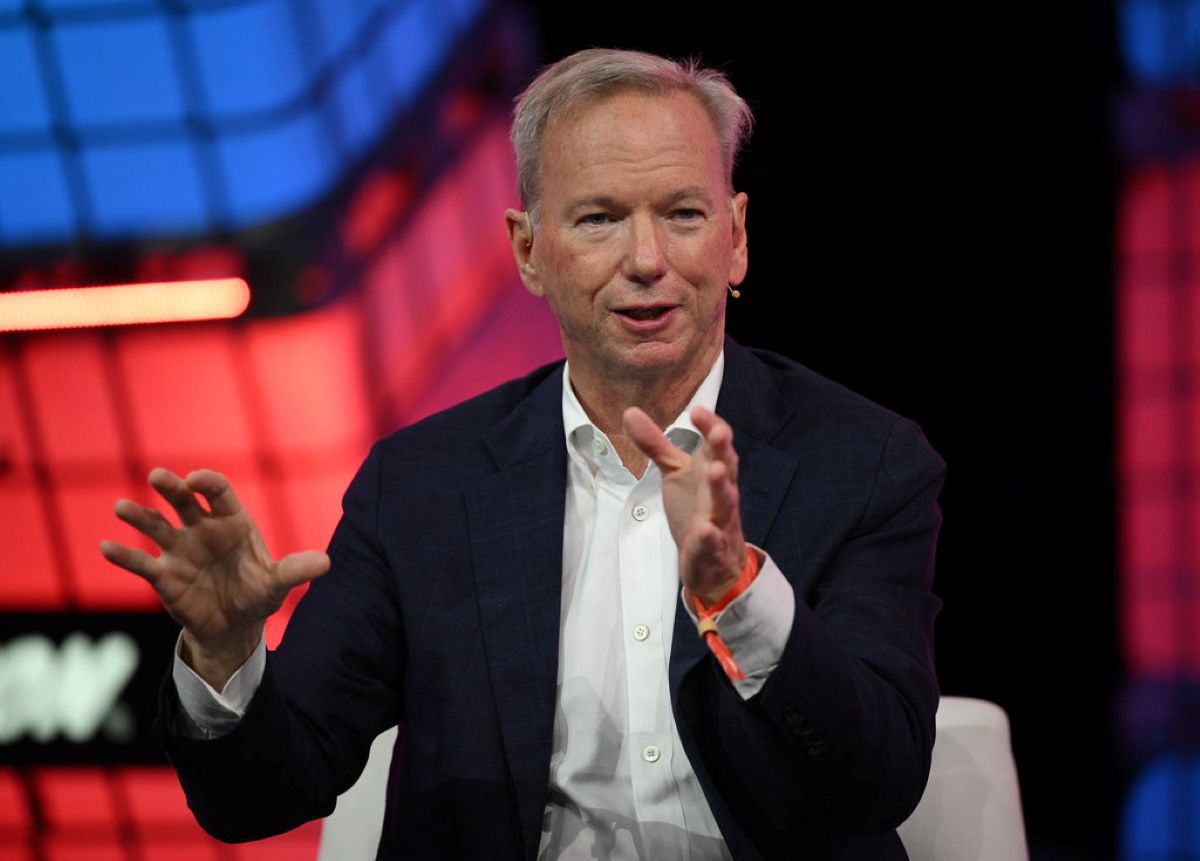
Commencement speeches usually end with applause, not audience revolt. Yet former Google CEO Eric Schmidt faced sustained criticism from University of Arizona graduates when he discussed AI’s impact on their career prospects. The tech leader’s message about shaping technology’s future landed like a comment section in real life—immediate, unfiltered, and brutally honest about generational tensions.
When Tech Titans Meet Economic Reality
Schmidt acknowledged his generation built technology that became more disruptive than intended.
Schmidt told graduates that the technology his generation helped create “became more complicated and socially disruptive than intended,” including effects on polarization and public discourse. His central argument—that graduates shouldn’t just accept AI’s influence but actively shape its development—met resistance from an audience skeptical of wisdom from someone who helped create their current predicament.
Student reactions grew stronger when Schmidt addressed automation concerns and their fears about entering a job market increasingly dominated by AI screening tools and automated processes.
The Entry-Level Job Crisis Nobody Talks About
AI systematically eliminates the starter positions that launch careers.
Your first job after college has become a moving target. AI now automates the repetitive, administrative tasks that traditionally comprised entry-level work across industries. Research indicates roughly 9.3 million U.S. jobs face vulnerability to AI-driven disruption under current adoption scenarios.
Employers increasingly expect new graduates to arrive with advanced AI literacy and higher-value skills—essentially demanding experienced workers for entry-level positions. Students worry about AI risks when choosing majors, recognizing how these technologies reshape career pathways before they even begin.
A Generation Inherits the Whirlwind
Students see AI as another threat layered onto existing economic instability.
The negative reception wasn’t just about AI—it reflected deeper frustration with inheriting an unstable social and economic environment. For graduates, technological concerns carry immediate career implications as they witness entry-level opportunities shrink while being told to embrace the technology causing the squeeze.
This generational clash reveals something crucial: young people increasingly view Big Tech leadership with suspicion rather than admiration. Schmidt’s call for graduates to participate in AI governance rang hollow to students who see themselves as victims, not architects, of technological change.
The Arizona incident signals a broader cultural shift in how society evaluates AI’s workforce impact—and whether those building these systems truly understand their human cost.