Dead zones in school security systems response create dangerous windows, but Campus Guardian Angel drones eliminate that vulnerability entirely. Texas startup Mithril Defense has engineered ceiling-mounted security drones that deploy faster than you can text 911, bringing military-grade response technology to K-12 campuses. If you’re tracking innovations in protective tech, this system represents a fundamental shift from passive monitoring to active threat intervention.
Combat-Speed Response in Classroom Packages
These aren’t your typical surveillance drones—they’re designed to stop threats, not just watch them.
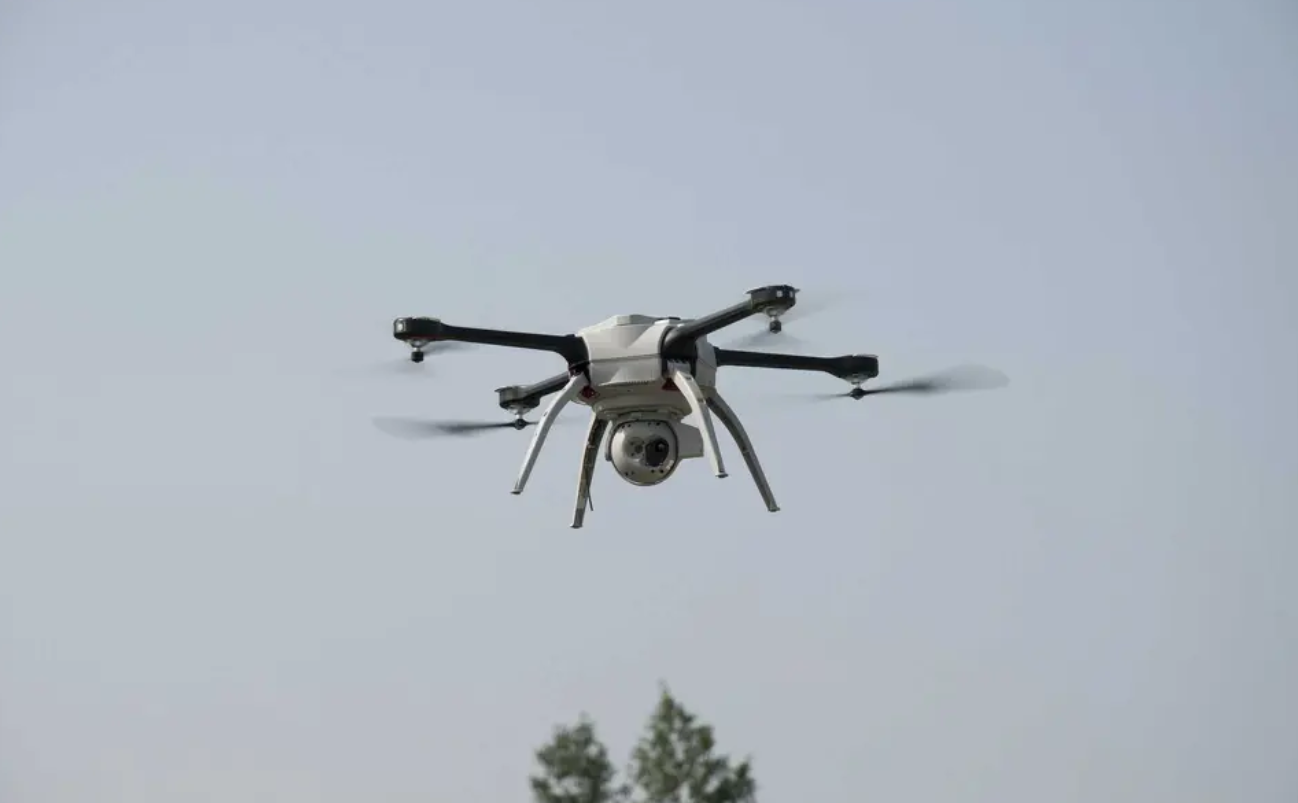
Campus Guardian Angel drones rocket from concealed ceiling boxes at 80-100 mph within 5-15 seconds of a panic button alert. Remote pilots in Austin navigate using 3D digital twin maps built with gaming software—essentially Fortnite-style rendering of real school layouts. Each $3,000 unit packs pepper spray pellets, strobing lights, sirens, and high-speed ramming capability designed to disorient and delay threats.
The 10-15 minute battery life focuses on rapid intervention rather than extended patrol, while encrypted feeds stream live intel to responding officers through integrated law enforcement apps. You’re looking at technology that essentially gives schools their own remote air force, operated by expert pilots including competitive drone racers and military veterans.
Florida Becomes the Testing Ground
Three school districts will pilot the program starting early 2026 with state funding.
Volusia, Broward, and Leon counties landed $557,000 in state funding to deploy these security systems across their campuses. The cost breaks down to roughly $8 per student monthly or 50 cents per square foot annually—positioning this as premium security infrastructure rather than basic safety equipment.
Founded in 2023 by British entrepreneur Justin Marston and former Navy SEAL Bill King, Mithril Defense drew inspiration from Ukrainian drone warfare to create what officials call a “force multiplier” for campus protection. Live demonstrations show the drones shattering windows and striking mannequin heads with tactical precision.
The short battery life and potential for bystander injury during high-speed operations remain practical challenges that real-world testing will need to address.
School security technology just entered the age of remote air support. Whether this model scales beyond Florida depends on performance data from real-world deployments, but the underlying trend toward automated threat response seems unstoppable. Your local district might be evaluating similar systems sooner than you think.