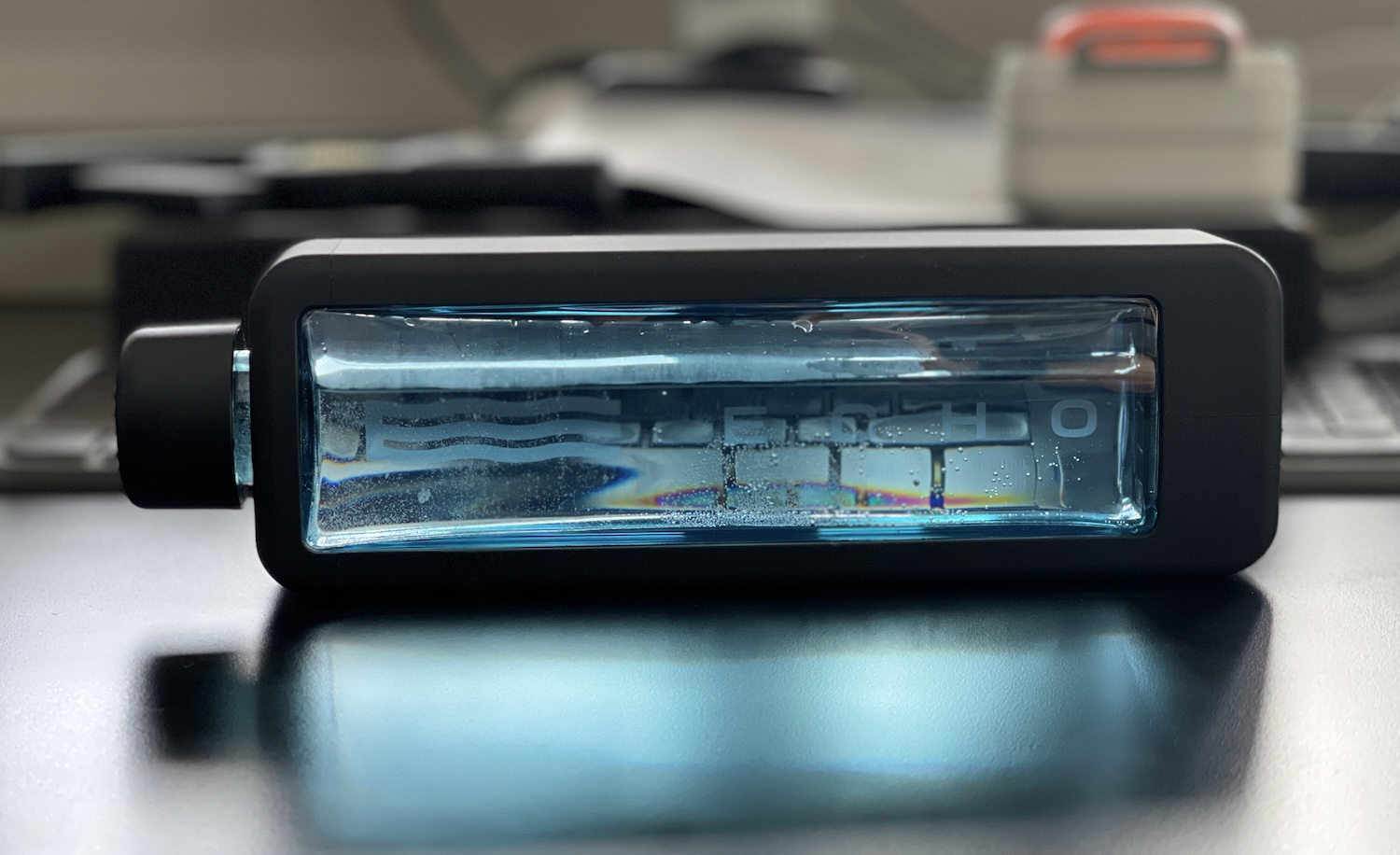
Wellness companies want you to believe regular water isn’t good enough. The latest pitch: hydrogen-enriched water that supposedly fights inflammation, boosts recovery, and delivers antioxidant benefits that plain H2O can’t match.
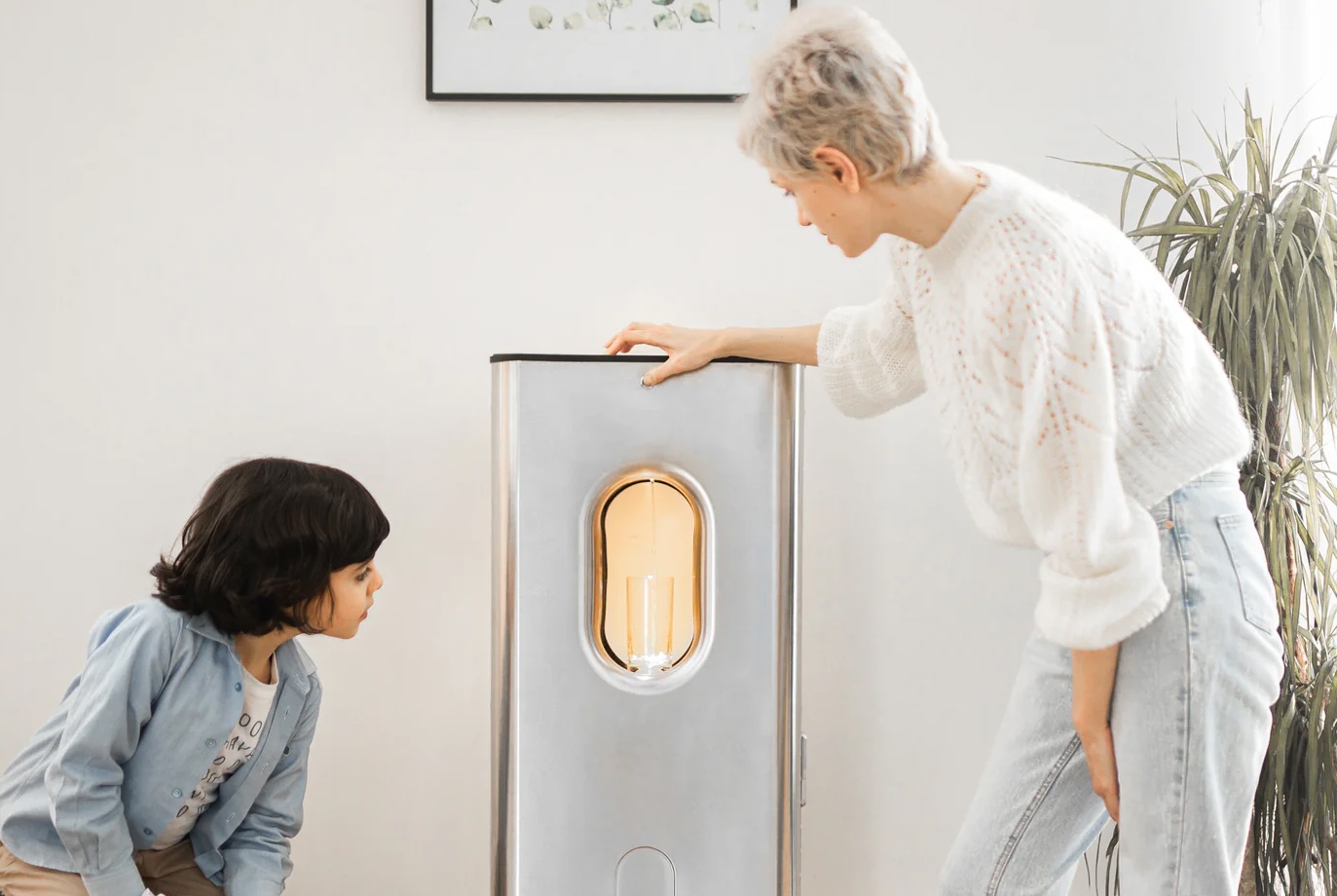
The Echo Hydrogen Water Bottle ($299) uses electrolysis to infuse molecular hydrogen gas (H2) directly into your drinking water. Think of it like a SodaStream, but instead of adding CO2 bubbles for flavor, you’re adding H2 molecules that dissolve into the water. Each 10-minute cycle generates hydrogen gas through a membrane, pressurizes it into the bottle, and infuses it into whatever water you’ve added.
Here’s the thing most people get confused about: water is already H2O, so how can you add more hydrogen? You’re not changing the water molecules themselves. You’re dissolving additional hydrogen gas into the liquid, the same way carbonated water dissolves CO2 gas. The hydrogen stays dissolved until you drink it, or until it off-gasses if you leave the bottle open too long.
The Science Behind the Claims
Research into hydrogen water shows mixed but promising results. A 2024 systematic review published in the International Journal of Molecular Sciences found that hydrogen-rich water demonstrated potential benefits for exercise performance, oxidative stress reduction, and anti-inflammatory effects. The key phrase: potential benefits. Studies on athletes showed improved power performance and reduced fatigue, while clinical trials in patients with metabolic syndrome indicated reduced inflammation markers.
The proposed mechanism centers on molecular hydrogen acting as a selective antioxidant. Unlike broad-spectrum antioxidants, H2 appears to target only the most harmful free radicals (specifically hydroxyl radicals) while leaving beneficial reactive oxygen species intact. Molecular hydrogen is the smallest molecule in existence, allowing it to cross cell membranes and even the blood-brain barrier with ease.
But there’s a catch. Most studies showing benefits are small, with sample sizes under 50 participants. Many are funded by companies with financial stakes in hydrogen water products. The FDA has recognized hydrogen gas as “generally recognized as safe” when used in drinking water, but that’s not the same as approving health claims. The therapeutic threshold appears to be around 0.5-1.6 ppm of dissolved hydrogen, with some research suggesting higher concentrations around 5-8 ppm deliver more pronounced effects.
The Technology: SPE/PEM Electrolysis
The Echo Flask bottle uses Solid Polymer Electrolysis (SPE) and Proton Exchange Membrane (PEM) technology. These are the same systems used in industrial hydrogen production and originally developed by NASA. When you activate the bottle, an electric current passes through platinum-coated titanium electrodes submerged in the water. This splits H2O molecules into hydrogen ions (H+), oxygen gas (O2), and free electrons.
The PEM membrane is the critical component. This specialized barrier allows only positively charged hydrogen ions to pass through while blocking everything else: oxygen, chlorine, ozone, and other impurities. The hydrogen ions recombine on the cathode side to form molecular hydrogen gas, which then dissolves into the water as tiny nanobubbles.
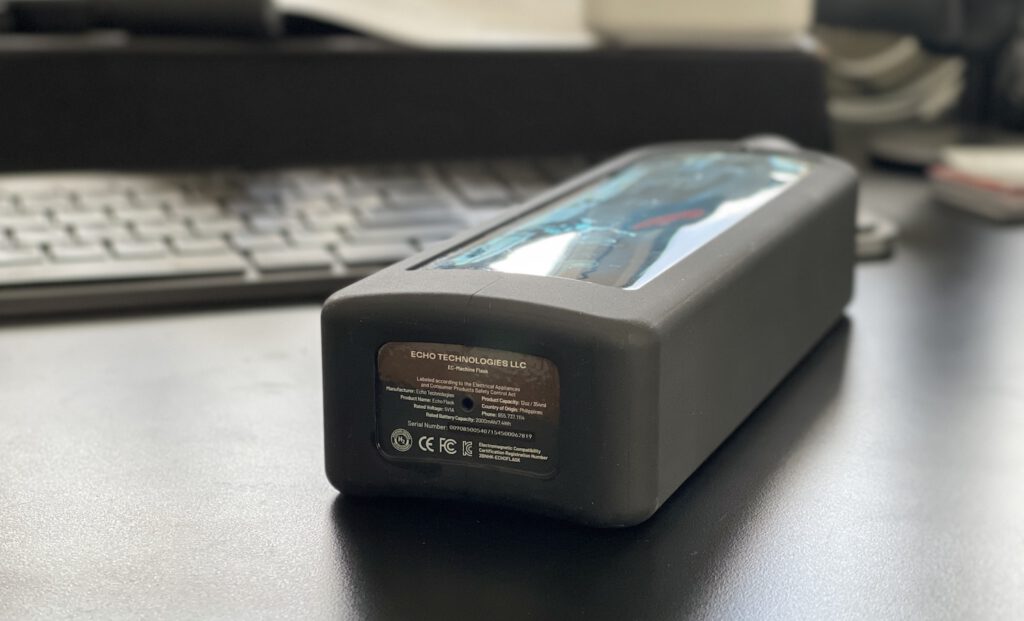
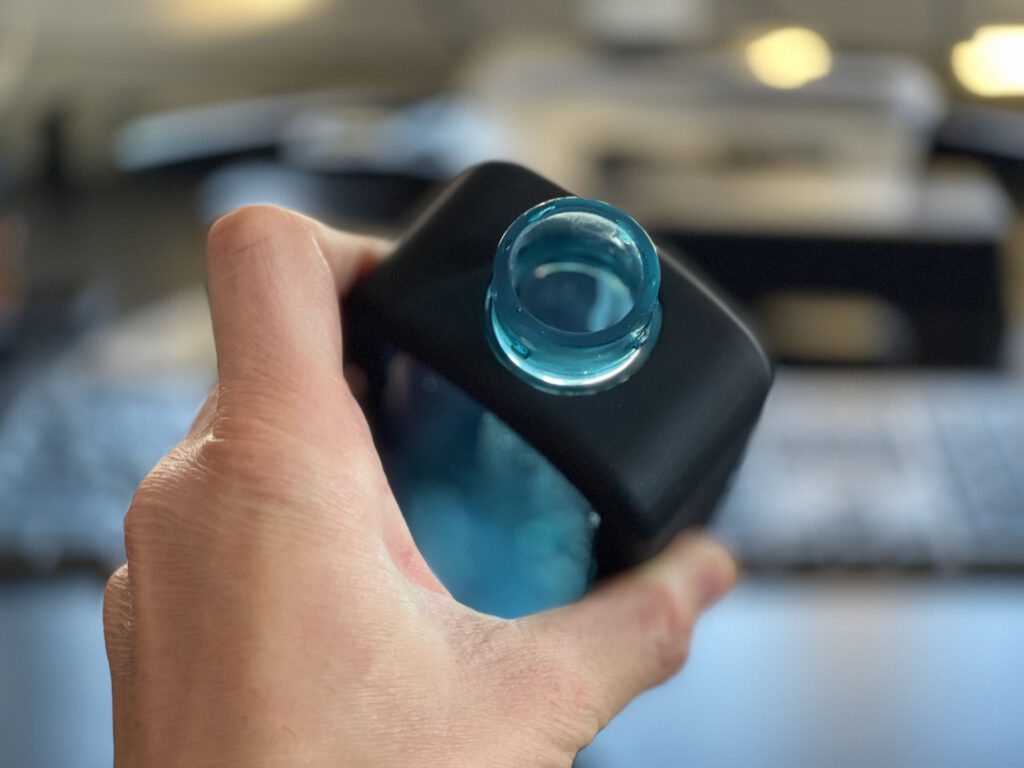
The oxygen and any chlorine byproducts get vented through an exhaust port at the bottom of the bottle during the electrolysis process. This dual-chamber design prevents you from drinking contaminated water, which is where cheaper knockoffs fail catastrophically. Because the hydrogen infusion creates internal pressure, you need to manually release the pressure valve in the cap after each cycle before opening the bottle to drink.
Echo claims their bottle produces 6-8 ppm of dissolved hydrogen in a 10-minute cycle, with lab certification from H2 Analytics showing 6.07 mg/L after 10 minutes and up to 8.25 mg/L after 20 minutes using distilled water. Those numbers put it at the high end of what’s commercially available.
What Sets It Apart from Knockoffs
Amazon is flooded with hydrogen water bottles ranging from $30 to $250. Most are direct copies of established brands, manufactured in bulk from Chinese suppliers who cut every possible corner.
The problems with cheap bottles are systematic:
Inferior membranes. Budget bottles often skip genuine PEM membranes entirely or use low-grade versions. Without proper separation, they produce chlorine gas and ozone alongside hydrogen. Both of which you definitely don’t want to drink. An official H2 HUBB test report on a widely-sold hydrogen water cup found the device produced noticeable levels of both chlorine and ozone in drinking water. The bottle claimed to produce 1.2-1.6 mg/L of dissolved hydrogen but actually delivered only 0.3-0.5 mg/L, below the therapeutic threshold. The report noted the device used outdated alkaline water ionizer technology rather than proper PEM/SPE systems.
Weak hydrogen production. Many claim 1.6 ppm but deliver significantly less. The hydrogen dissipates within minutes because the bottles lack proper sealing mechanisms. A peer-reviewed study published in the National Institutes of Health noted that ozone is generated as a harmful byproduct during electrolysis and remains a concern for peroxidation when proper separation technology isn’t used.
Material quality. A product tester who evaluated multiple cheap hydrogen bottles reported that one bottle started showing rust-like discoloration around electrodes within a month, with water developing a sharp metallic aftertaste indicating potential heavy metal leaching. Another bottle started leaking within weeks. The tester noted that cheap bottles felt “flimsy and plastic-y” with lids that didn’t seal properly. Glass bottles struggle with hydrogen retention because they can’t withstand the high pressures needed for effective infusion, often capping output below 0.5 ppm. Echo uses medical-grade PPSU (Polyphenylsulfone), the same material in baby bottles and surgical equipment. It’s BPA-free, heat-resistant, and chemically stable.
Battery and electronics. Knockoffs often fail within weeks. Dead batteries, broken seals, leaking chambers. No customer support, no warranties. Most are sold by third-party sellers who vanish when problems arise.
The plastic construction isn’t a downgrade. It’s engineering necessity. Hydrogen gas under pressure would crack glass or rigid containers. Medical-grade PPSU can handle the internal pressure required for high-concentration hydrogen infusion.
Safety Concerns
The biggest safety question: what are you actually drinking?
With Echo’s SPE/PEM system and medical-grade materials, the answer is just water with dissolved hydrogen gas. The FDA recognizes H2 as safe for consumption. Hydrogen doesn’t accumulate in your body. It’s active for a short window, then cleared through exhalation and cellular processes.
The concern is with inferior bottles producing chlorine, ozone, or heavy metal contamination from corroding electrodes. There’s also the question of long-term exposure to hydrogen water at high concentrations, which hasn’t been extensively studied beyond a few months.
I dropped the Echo bottle once. The screen survived, but that’s still a potential weak point for a $300 device.
The Skepticism Problem
Hydrogen water faces legitimate criticism. The industry is rife with exaggerated claims about “revolutionary” health benefits based on preliminary research. Many studies are small, short-term, or industry-funded. The scientific consensus is that hydrogen water shows promise, but we don’t have enough rigorous, large-scale, long-term studies to definitively prove most claimed benefits.
Celebrity endorsements from Joe Rogan, Dana White, and Gary Brecka have turned hydrogen water into a wellness trend, which attracts both legitimate interest and opportunistic scammers. The market is now flooded with knockoff products making identical claims while delivering nothing.
Daily Reality
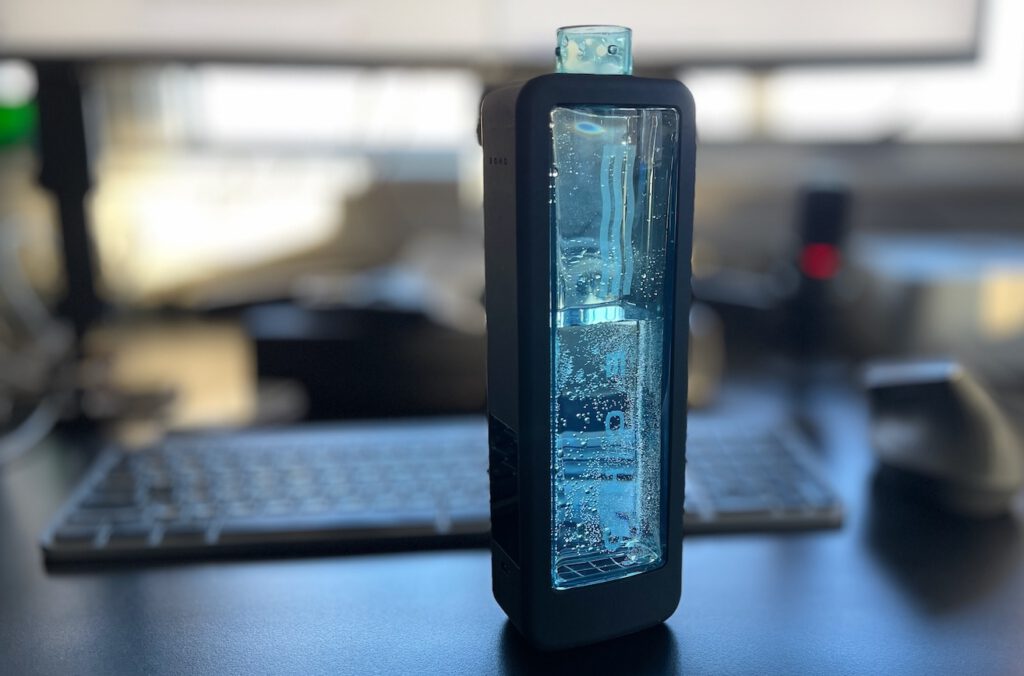
The Echo Flask holds 12 ounces, smaller than most standard water bottles. The tall, narrow design makes it easy to tip over if you’re not careful about where you set it down. If you’re properly hydrating (64+ ounces daily), you’ll refill constantly. Each 10-minute cycle means planning ahead. Want hydrogen water before your workout? Start the cycle while you’re getting dressed.
The bottle feels comfortable to drink from, and the small capacity almost forces better hydration habits. You know you need to plan ahead, so you stay more aware of your water intake throughout the day.
Drinking more than three bottles daily requires daily charging. The 2,300 mAh battery lasts about 5-6 cycles, which means roughly 60-72 ounces of hydrogen water before you need to plug in. You can charge while running cycles, which helps if you’re trying to knock out several bottles in succession.
The firmware updates were necessary but buggy. They took a few attempts to load properly, which was frustrating for a premium device.
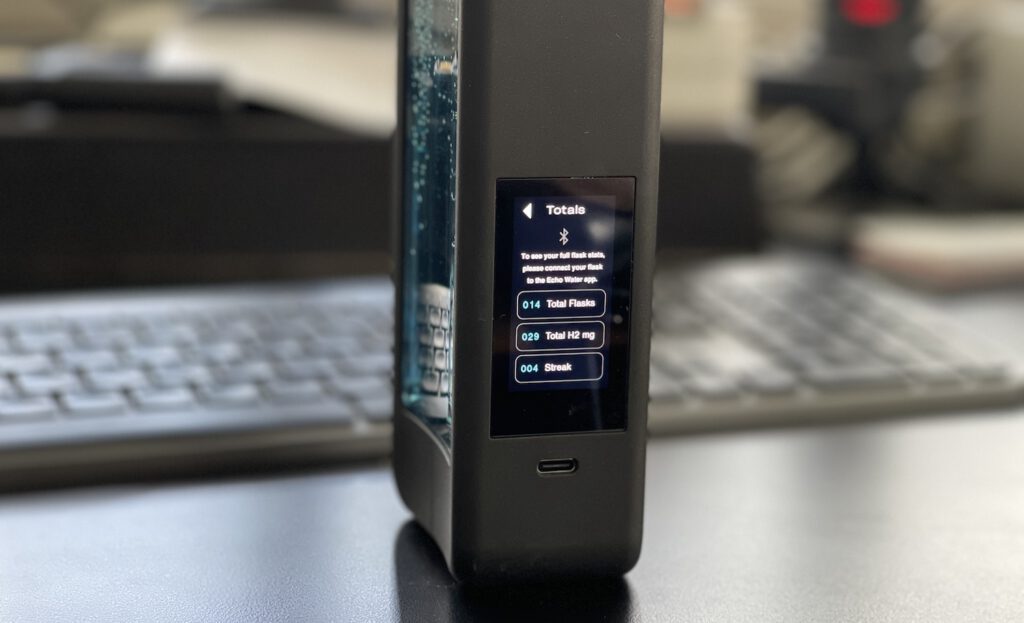
The companion app tracks bottles consumed, cumulative H2 in milligrams, and daily streaks. It won’t remind you to drink. The LCD screen is well-designed and shows your stats clearly, but whether tracking cumulative hydrogen intake actually improves consumption habits is unclear. The real test is whether any of this translates to measurable changes. I’m tracking blood oxygen levels and VO2 max on an Apple Watch Ultra to see if anything shifts over time.
The self-cleaning mode runs a stronger electrolysis cycle that produces ozone to sanitize the bottle interior. This reduces daily maintenance compared to regular bottles, but you’ll still need to clean the mouthpiece. The narrow opening requires a small bottle brush for thorough cleaning.
The Real Question
Does hydrogen-enriched water deliver measurable benefits that justify the price and daily charging routine?
The build quality is solid. The technology appears to work as advertised based on third-party lab testing. But whether those dissolved hydrogen molecules are actually doing anything meaningful for recovery, inflammation, or energy levels remains an open question that requires longer-term observation.
The science suggests hydrogen water isn’t snake oil. But it’s also not the miracle wellness product the marketing implies. It’s somewhere in the middle: a potentially useful tool with real mechanisms of action, backed by preliminary but not definitive research, sold in a market flooded with low-quality alternatives that actively harm the category’s credibility.