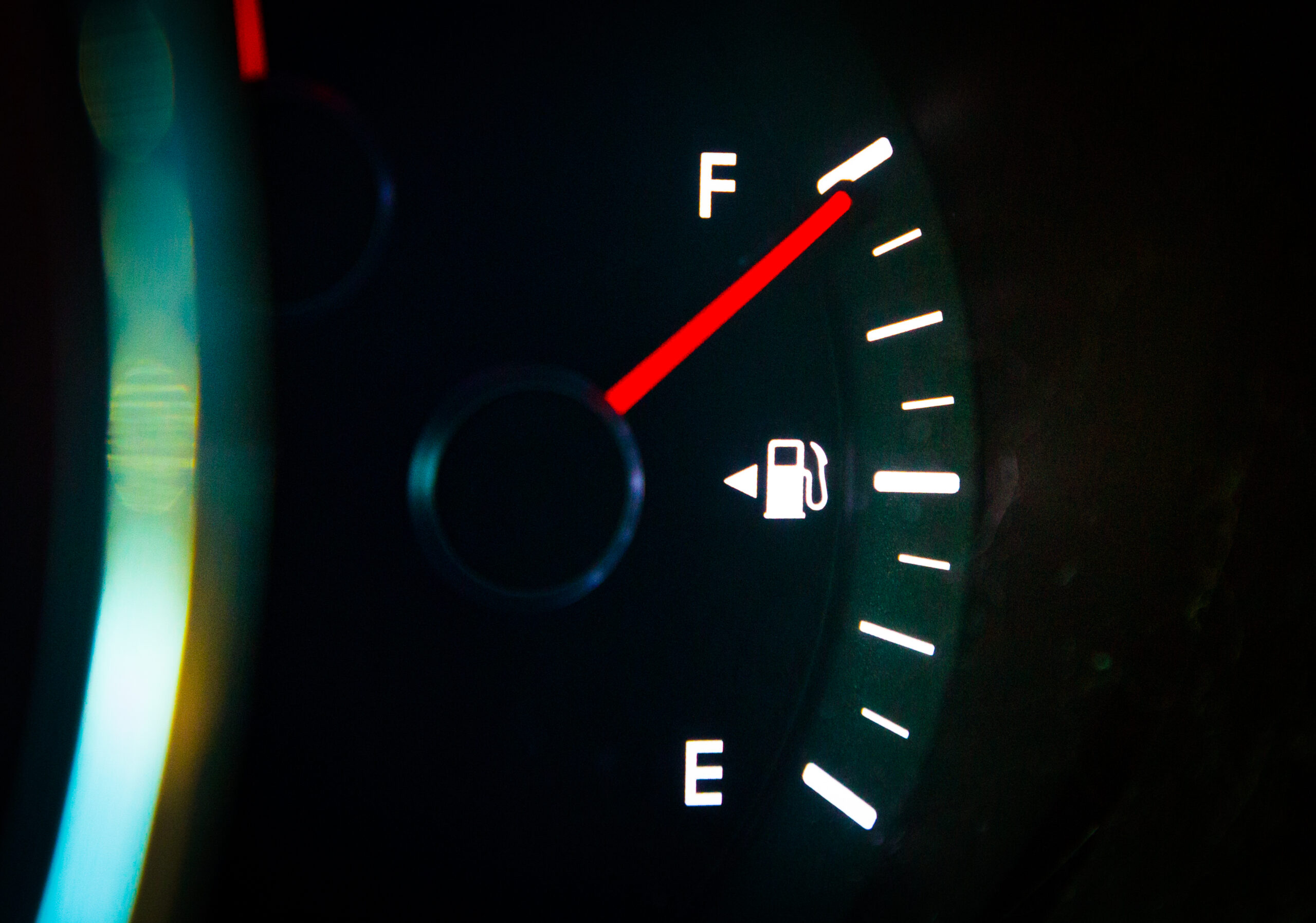
That warning light glowing amber on your dashboard isn’t just automotive nagging—it’s protecting a $1,200 component from slow-motion suicide. Your fuel pump lives underwater, literally submerged in gasoline that keeps it cool and lubricated. But when you’re channeling your inner NASCAR driver, stretching every drop to the finish line, you’re essentially making your pump work overtime in a sauna.
Modern Pumps Need Their Swimming Pool
Electric fuel pumps rely on gasoline immersion for cooling and smooth operation.
Modern electric fuel pumps aren’t the mechanical beasts your grandfather’s Buick used. These precision components sit inside your tank, using gasoline as both coolant and lubricant. When fuel levels drop below a quarter tank, the pump starts gulping air instead of gas, creating cavitation—those destructive bubbles that sound like your engine’s having an existential crisis.
Think of it like trying to drink a milkshake through a straw when the cup’s nearly empty. The pump overheats from friction, and accelerated wear begins immediately.
The Real Cost of Running on Fumes
Pump failures from low fuel habits cost drivers up to $1,200 in repairs.
AAA reports that fuel pump issues account for 12% of roadside assistance calls in 2023, and constantly running near empty accelerates that timeline. When pumps overheat from lack of cooling fuel, they develop symptoms that sound like automotive death rattles:
- Whining noises from the tank
- Hard starting
- Sputtering under load
Your MPG tanks because the damaged pump can’t deliver fuel efficiently. Replacement runs $500-1,200, depending on your vehicle’s complexity.
The Weight vs. Efficiency Paradox
A full tank adds passenger-equivalent weight but prevents costlier efficiency losses.
Sure, that full tank adds 40-80 kilograms—roughly equivalent to carrying a passenger—which technically reduces acceleration efficiency. But here’s where the math gets interesting: constantly driving to gas stations for small fill-ups wastes more fuel than the weight penalty.
Plus, a struggling pump from repeated low-fuel stress can decrease your overall MPG by more than the weight ever could.
Keep your tank above the quarter mark, especially during summer heat or long highway stretches. Your pump will thank you with years of reliable service, and your wallet will appreciate avoiding that roadside drama.