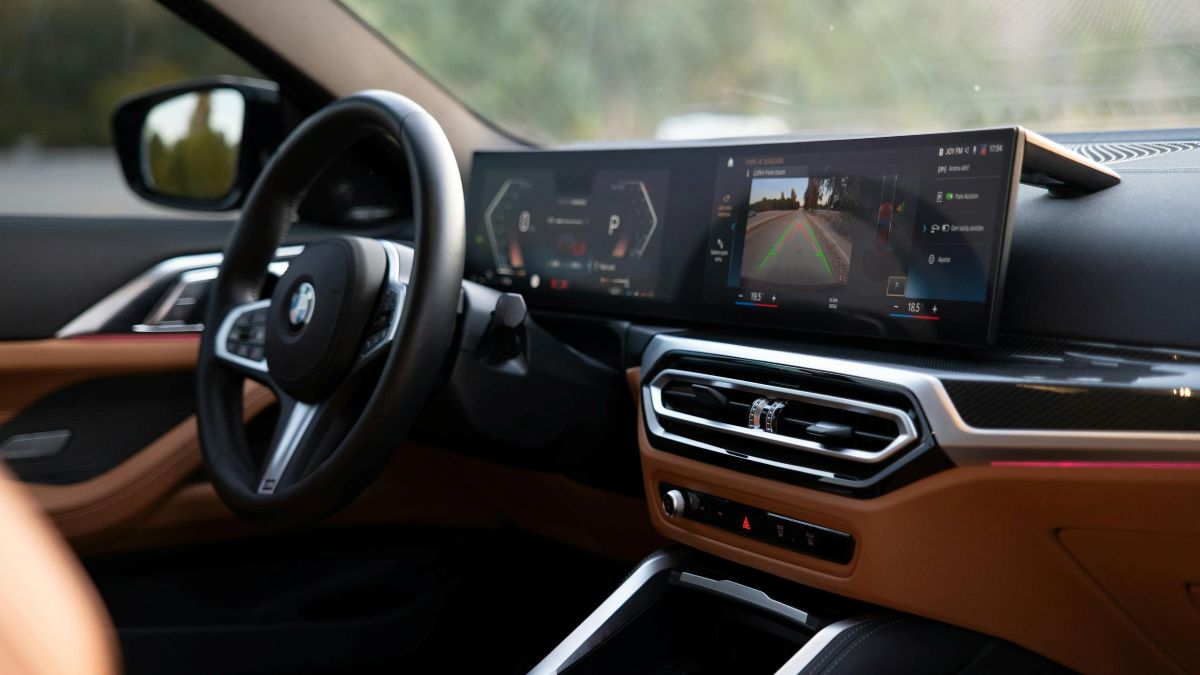
Reaching for climate controls shouldn’t require a PhD in interface design, yet modern cars treat temperature adjustment like launching a space shuttle. You tap, swipe, and squint through menus while traffic moves around you—a recipe for disaster that’s finally triggering industry-wide changes.
The “no-tech car” movement represents drivers rejecting digital overload in favor of tactile controls you can operate without taking eyes off the road. This backlash has solid safety science behind it.
AAA studies reveal how touchscreen-dependent climate controls increase cognitive load and accident risk during routine tasks. Your brain processes physical buttons through muscle memory, while screens demand visual attention and conscious decision-making. That split-second distraction—multiplied across millions of daily drives—creates genuine hazard.
Automakers Hit the Brakes
BMW leads industry reversal from all-digital dashboards
Major manufacturers are acknowledging their touchscreen mistake. BMW reintroduced physical buttons for critical functions in 2024-2025 models after customer backlash, according to The Verge.
Even luxury brands discovered that premium doesn’t mean complicated—it means intuitive. The economic argument strengthens the safety case. Advanced driver-assistance systems require expensive recalibration after minor accidents, with repair bills reaching thousands of dollars.
Consumer Reports notes how sensor-dependent designs create long-term ownership headaches that simpler mechanical controls avoid entirely. Your wallet appreciates reliability over flashy features.
Market Reality Check
Stable 2026 pricing makes low-tech alternatives increasingly attractive
Edmunds forecasts stable new-vehicle pricing around 16 million U.S. sales in 2026, potentially amplifying appeal for affordable, no-tech alternatives. Examples include:
- Mazda’s analog interior emphasis in the CX-5 refresh
- Rivian’s simplified R2 cabin trims choosing knobs over screens
This timing coincides with increased availability of off-lease used cars, giving budget-conscious buyers more options. The trend redefines automotive luxury as calm simplicity rather than feature bombardment. Like choosing a quiet restaurant over a chaotic food court, sophisticated drivers increasingly value uncluttered experiences that enhance rather than complicate their journey.