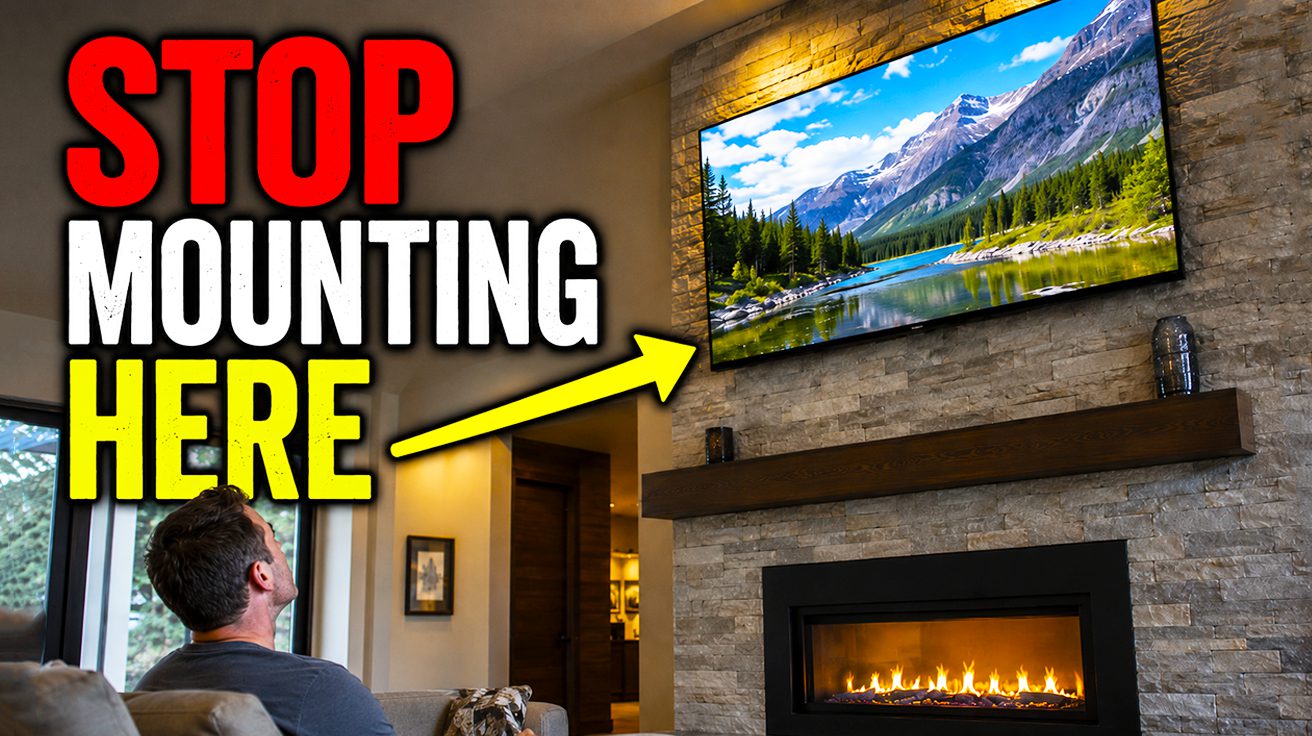
Aspiration in home design often clashes with reality, and nowhere is this truer than with elements meant to be focal points. For instance, mounting a television above a fireplace, a popular choice for maximizing wall space, forces viewers into an uncomfortable upward gaze. Standard ergonomic guidelines suggest the center of a TV screen should be at seated eye level, roughly 42 to 48 inches from the floor. Placing it significantly higher can lead to neck strain over time. Furthermore, the heat generated by many fireplaces, often reaching 90–95°F (32–35°C) at wall surface, can shorten a TV’s lifespan or void its warranty. This trend might look sleek, but it’s a prime example of form over function.
9. TV Above Fireplace
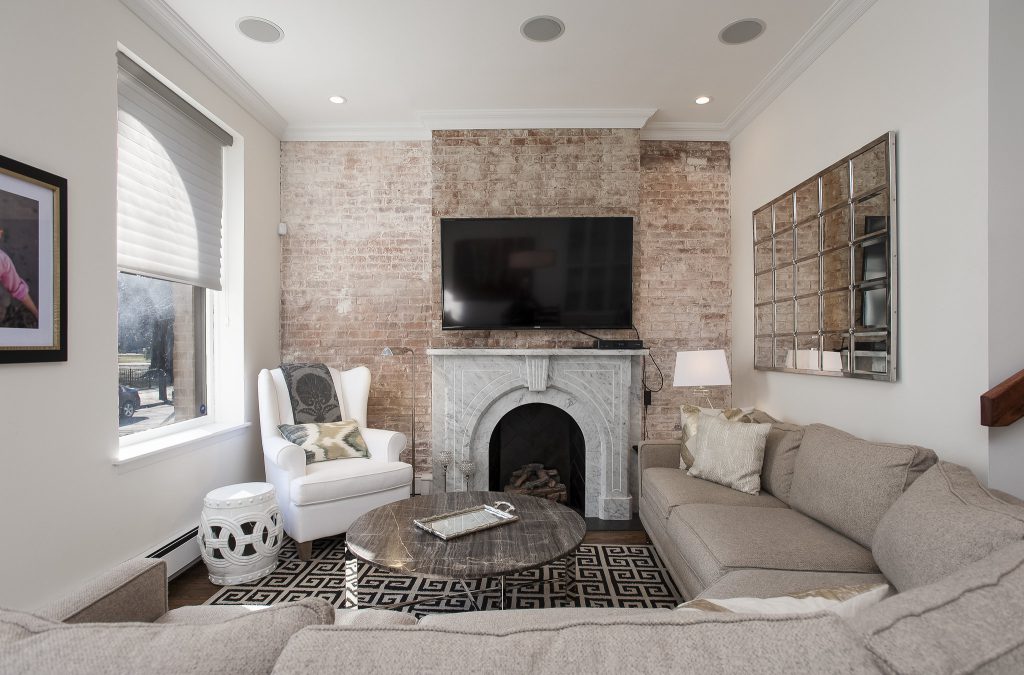
Mounting a TV above a fireplace forces uncomfortable neck strain and exposes electronics to damaging heat.
Mounting a TV above a fireplace might seem like a genius space-saving move, but it’s a decision that often leads to a sore neck and a fried circuit board. Ergonomically, the sweet spot for TV viewing is around 42 to 48 inches from the floor, putting the screen center at seated eye level. Anything higher forces you to crane your neck like a curious meerkat, which is great for spotting predators but terrible for binge-watching.
Then there’s the heat. Many fireplaces blast temperatures that can reach 95°F (35°C) at the TV’s base, a zone manufacturers often warn against exceeding. The common advice from design pros is simple: treat your TV and fireplace as separate focal points. Consider placing your TV on an adjacent wall or even opposite the fireplace. If you’re absolutely set on the above-fireplace look, a specialty pull-down mount can bring the screen down to a more comfortable viewing height when needed.
8. Floating Staircases Without Railings
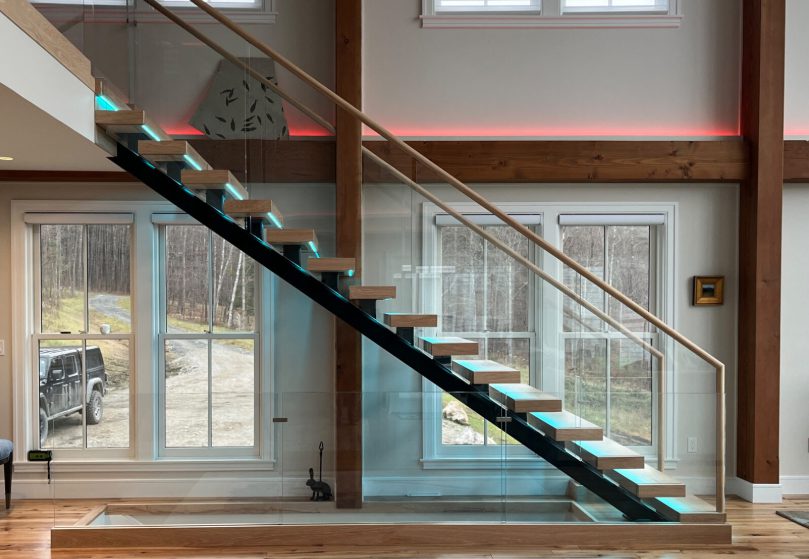
Building codes require handrails and guardrails for safety, making completely open staircases code violations.
Building codes are basically guardrails for life, and when it comes to stairs, they’re not just suggestions. The International Residential Code, for instance, generally requires handrails on stairways with four or more risers and guardrails for any drop of 30 inches or more. They also typically limit openings in these guards to 4 inches, a crucial detail to prevent little ones from slipping through.
Those sleek, minimalist floating stairs you love? If they don’t have some form of railing – be it tempered glass, slim metal balusters, or cable systems – they’re likely violating code. A properly installed system can provide that much-needed fall protection without sacrificing the airy aesthetic. Anyone who’s navigated a dimly lit staircase knows the panic of a misplaced step.
7. Barn Doors on Bathrooms
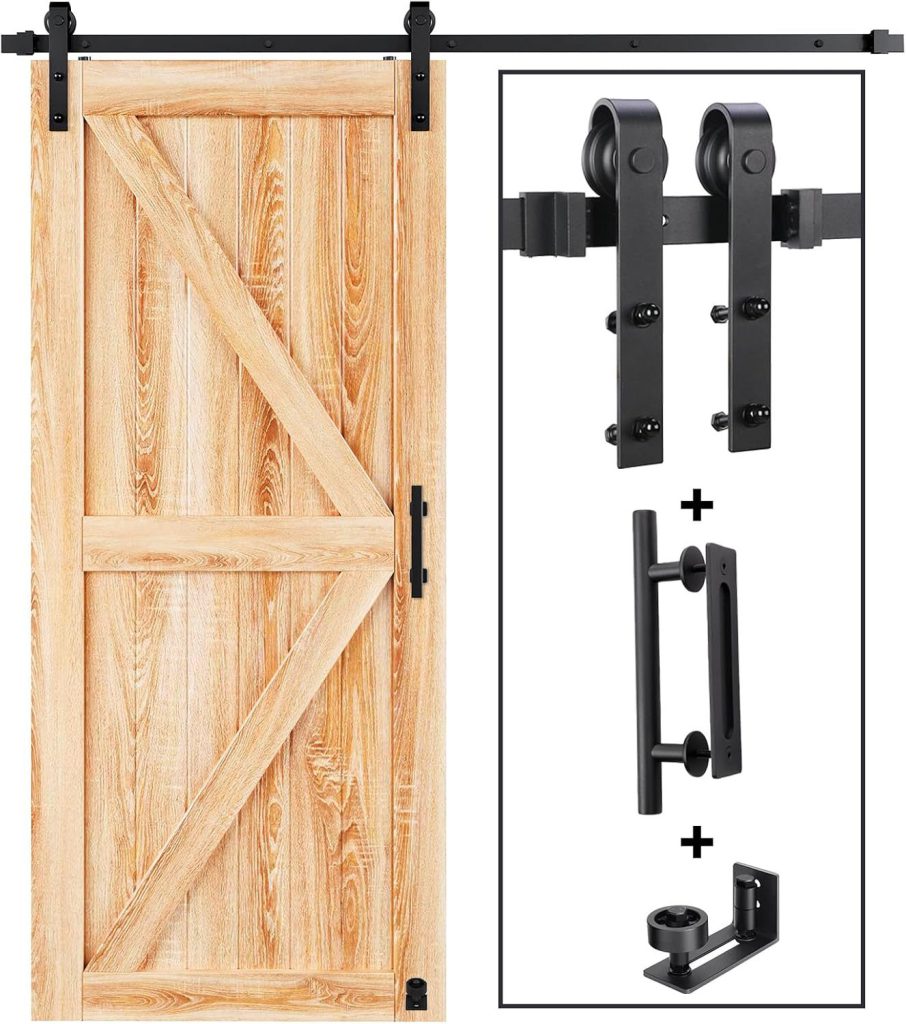
Barn doors don’t seal into jambs, leaving gaps that compromise privacy and sound control.
Residential barn doors, a staple in rustic decor, often falter when used in private spaces. They slide along an exposed track and don’t seal into a jamb, leaving noticeable gaps at the sides and bottom. This design offers limited acoustic and odor separation, making privacy a genuine concern.
Standard swinging or pocket doors, especially solid-core models with proper seals, deliver far superior sound insulation and light blocking. While barn doors work for pantries or wide living area openings where privacy isn’t critical, their lack of sealing makes them a poor functional choice for rooms requiring seclusion.
6. Hollow-Core Interior Doors
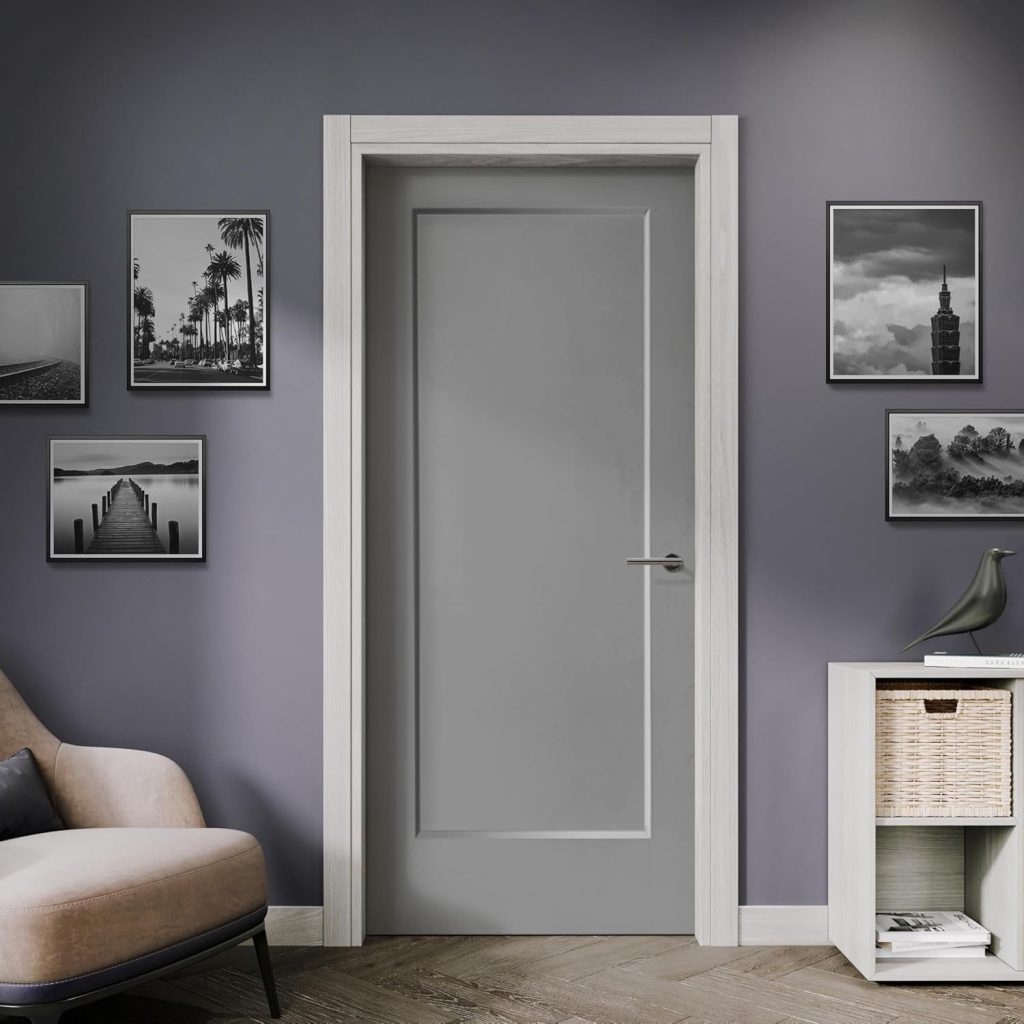
Cardboard cores provide virtually no sound insulation, broadcasting conversations throughout the house.
Hollow-core doors consist of thin skins stretched over a flimsy cardboard or honeycomb core. While this keeps installation costs down, it means any conversations happening in the next room are broadcast live to your own. Anyone who’s tried to focus on work while their housemates are bickering knows the struggle.
The upgrade to solid-core doors makes a dramatic difference. These are built with an engineered wood composite core, giving them substantial heft that blocks noise and heat far more effectively. They transform your bedroom into a sanctuary instead of a stage, with a satisfying, quality feel every time you close one.
5. Open Kitchen Shelving as Primary Storage
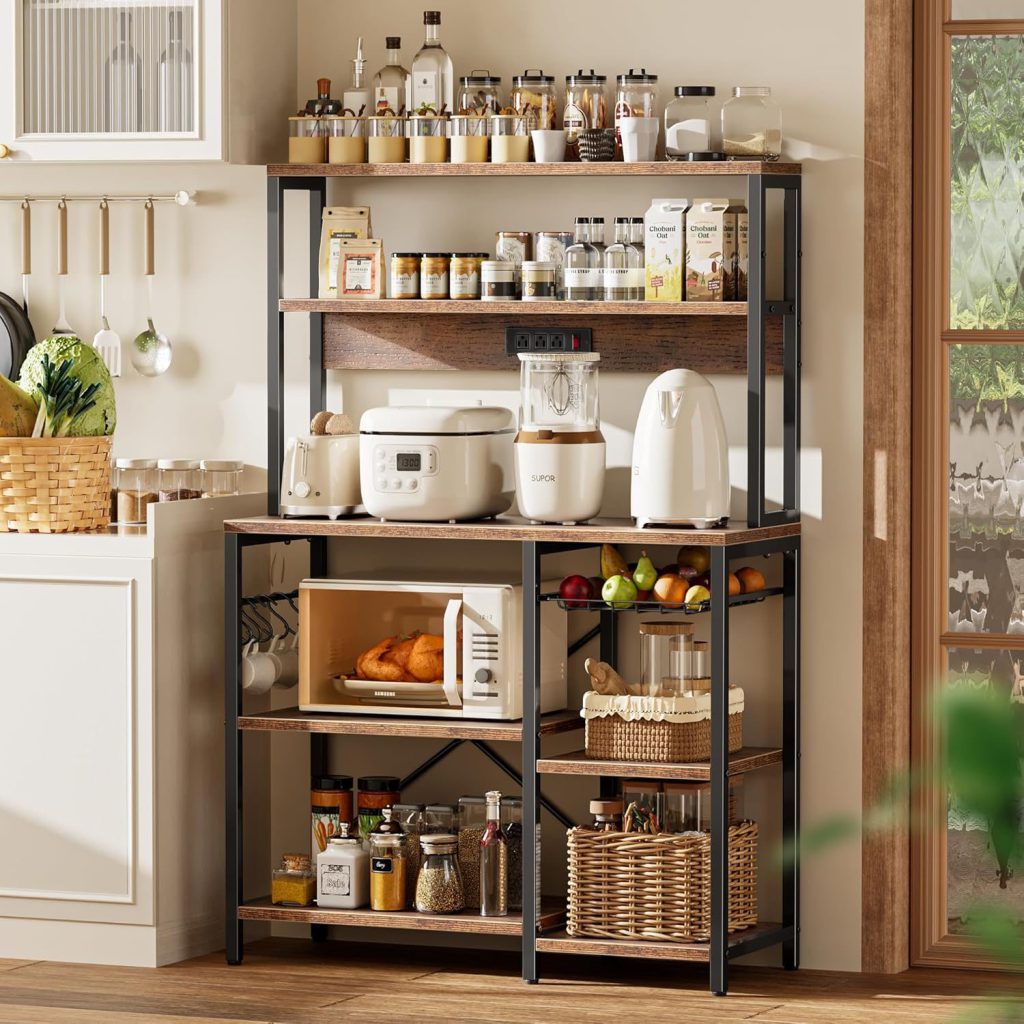
Exposed dishes collect cooking grease and dust, requiring constant maintenance in active kitchens.
Exposed dishware and pantry items get coated in ambient dust, cooking grease, and steam, especially when shelves are situated anywhere near the range. Many kitchens featuring open shelves typically have significant closed storage elsewhere, using the open areas for just a few carefully chosen decorative pieces.
A smart hybrid approach, combining mostly closed cabinets with a few well-placed open shelves, can offer visual openness while protecting your actual dinnerware. Keep open shelves away from the direct cooking zone to minimize grease buildup and reduce constant cleaning demands.
4. Open Floor Plans Without Private Rooms
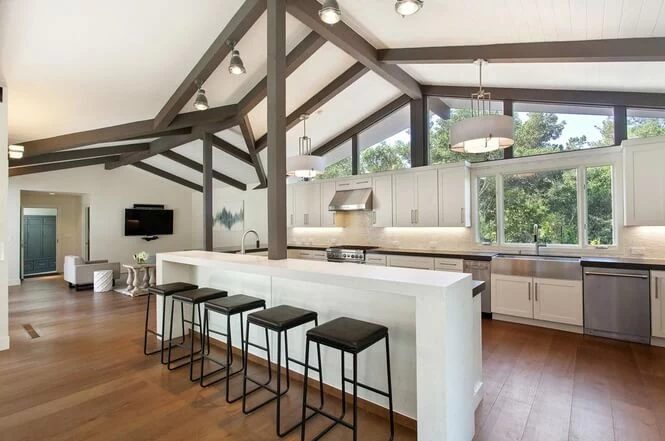
Total openness eliminates quiet spaces and built-in storage opportunities most families need.
These “open concept” layouts promise airiness and connection, but they often forget that people need to occasionally tune each other out. When your kitchen, dining, and living areas are one sprawling space, the noise from cooking or a loud Zoom call becomes everyone’s problem. Losing those interior walls means losing precious opportunities for built-in storage.
Post-pandemic, the demand for at least one quiet, enclosed room has become critical. Solutions like sleek glass partitions or sliding doors can offer much-needed acoustic buffers without sacrificing that coveted sense of spaciousness.
3. Pot Filler Faucets
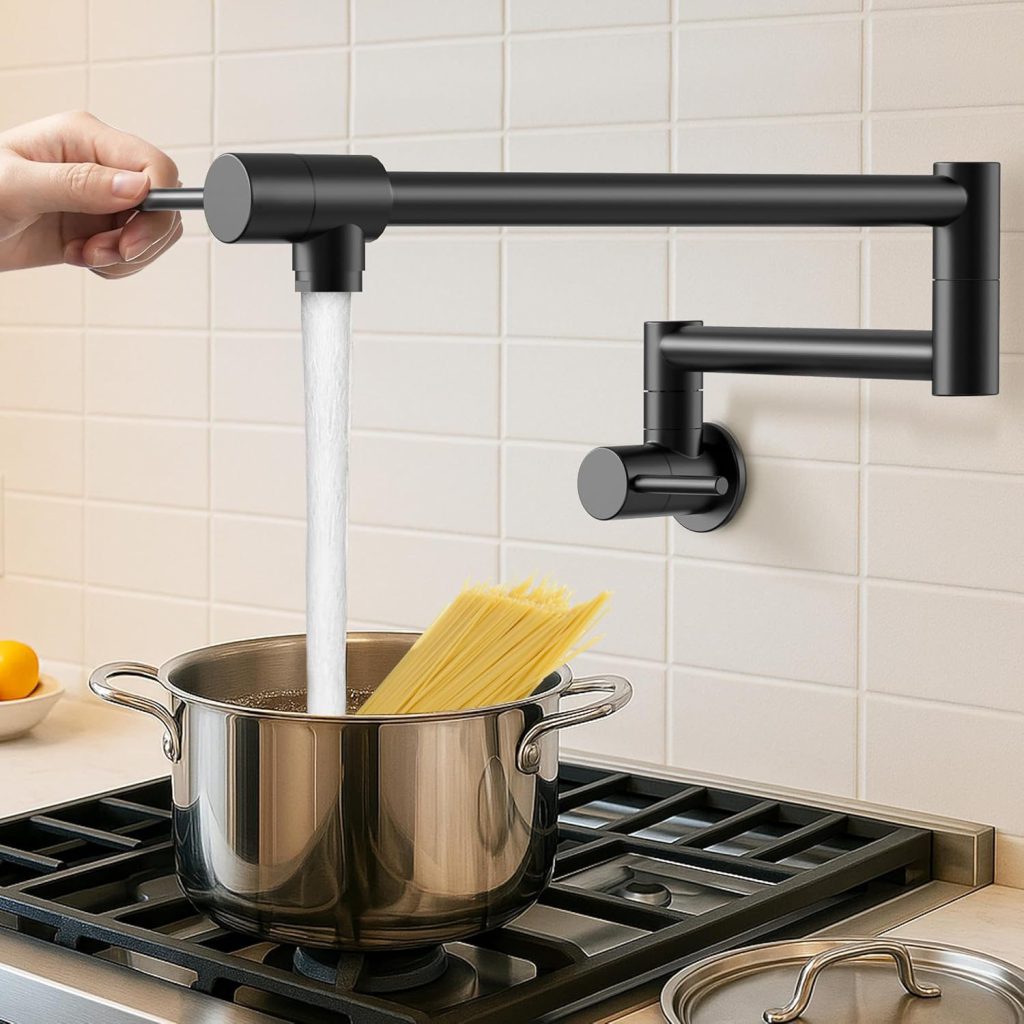
Hidden plumbing lines behind backsplashes create expensive repair risks when leaks develop.
Running a dedicated water line behind your backsplash for a pot filler faucet introduces leak risks that can be expensive to fix. When something goes wrong, like a leaky fitting, you’re looking at ripping out your backsplash to reach it. Many homeowners find these fancy swing-arm fixtures end up being more trouble than they’re worth.
Those articulated arms are magnets for cooking grease and steam, demanding constant cleaning to keep them from looking like a science experiment. After the initial wow factor wears off, the convenience of walking a few steps to the sink often outweighs the hassle and expense.
2. Over-the-Range Microwaves
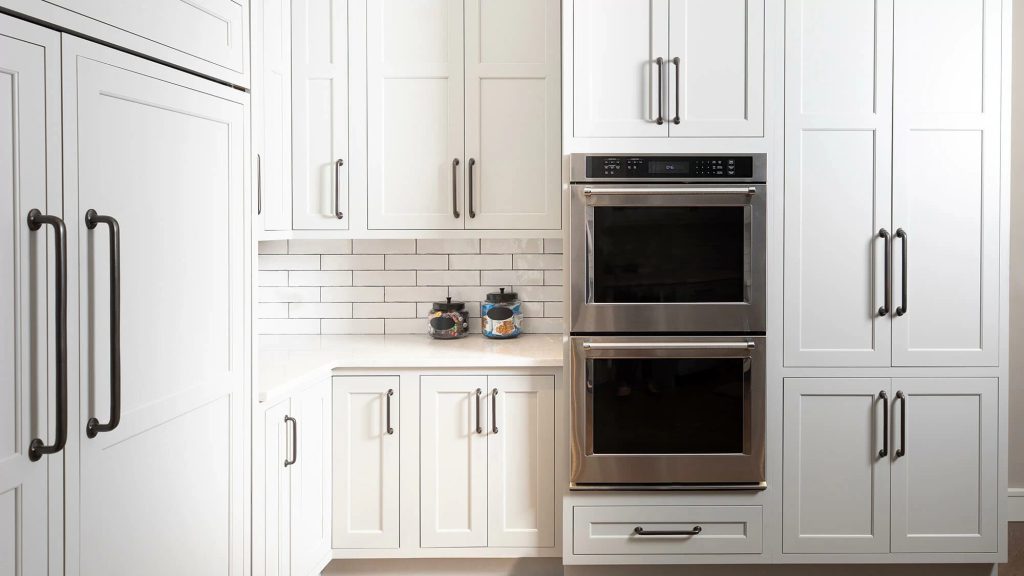
Recirculating ventilation systems fail to remove smoke while electronics suffer in the heat zone.
Many over-the-range microwaves promise a sleek, 2-in-1 solution, combining cooking power with an exhaust fan. A common setup relies on recirculating ventilation with charcoal filters, which proves about as effective at clearing smoke and grease as a fan blowing directly on a grease fire. These units are also jammed right over the heat source, cooking their own electronics.
Beyond their questionable ventilation skills, these microwaves force you to reach over hot burners, a maneuver that feels like playing culinary Russian roulette. A proper ducted range hood offers superior airflow, a longer lifespan, and a much safer kitchen environment.
1. Base Cabinets with Doors Instead of Drawers
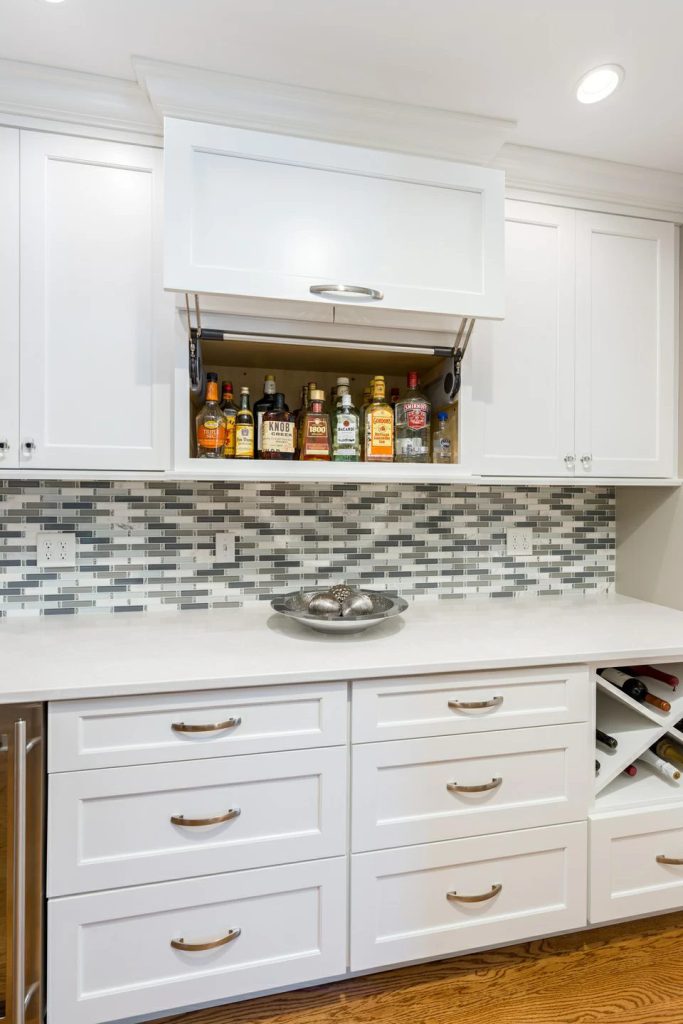
Deep cabinets with doors require uncomfortable bending and reaching to access items stored in back.
Typical base kitchen cabinets measure about 24 inches deep. When these feature doors instead of drawers, reaching items at the back means bending and stretching—an ergonomic headache nobody asked for. This design flaw makes it a real chore to grab that heavy Dutch oven you only use twice a year.
Full-extension drawers bring everything forward, making visibility and access a breeze. While doors still make sense under sinks or for utility closets, prioritizing drawers in most base cabinets turns your kitchen from a workout zone into a functional space.