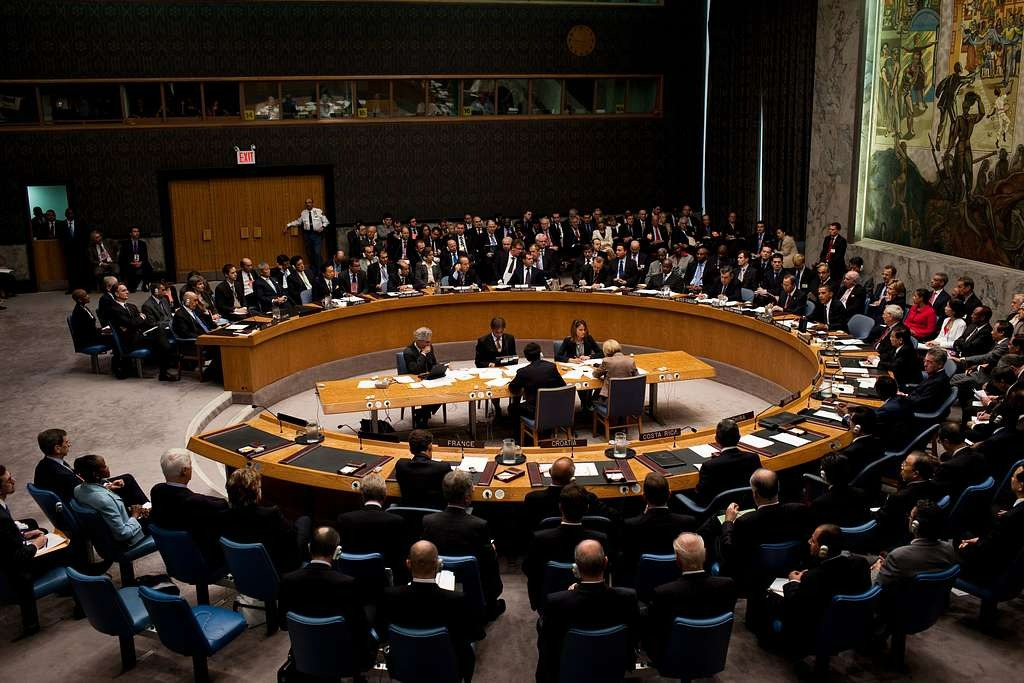
The numbers tell the story: 117 countries voted yes, just 2 voted no. The United States found itself dramatically isolated as the UN General Assembly approved the world’s first Independent International Scientific Panel on AI, despite Washington’s fierce objections. This 40-member panel will deliver annual reports on AI’s risks and opportunities, potentially reshaping how your favorite AI-powered gadgets get developed and regulated.
Scientific Credibility Meets Geopolitical Reality
The panel reads like a tech industry all-star roster. Two Americans made the cut: Vipin Kumar from the University of Minnesota, an AI and data mining expert, and Martha Palmer, a linguistics and AI specialist from Colorado. China countered with Song Haitao, dean of Shanghai Jiao Tong University’s AI Institute, and Wang Jian, a cloud computing heavyweight from the Chinese Academy of Engineering. Nobel laureate Maria Ressa rounds out the notable appointments, bringing media and ethical perspectives to the mix.
Ukraine threw a diplomatic curveball by abstaining over concerns about Russian nominee Andrei Neznamov’s institutional ties. Even in AI governance, the conflict in Ukraine casts shadows.
America’s Innovation-First Resistance
US Mission representative Lauren Lovelace didn’t mince words, calling the panel a “significant overreach” and declaring America “will not cede authority over AI to international bodies.” The Trump administration’s position is crystal clear: accelerate innovation first, regulate later, and definitely don’t let the UN slow things down.
This puts the US at odds with virtually everyone else. The EU, China, and developing nations see the panel as essential for equitable AI governance. UK representatives stressed the need for independence and transparency to maintain legitimacy.
What This Means for Your Tech
Those annual reports starting after the panel’s February 2026 launch won’t just gather dust in UN archives. They’ll likely influence safety standards for the AI features buried in everything from your smartphone’s camera to your smart home devices. Think stricter guidelines for facial recognition accuracy or transparency requirements for AI-generated content.
The real tension lies between America’s Silicon Valley speed culture and the UN’s methodical approach. Your next AI-powered gadget might ship faster from US companies operating under lighter regulations, while international standards could slow innovation but improve safety and equity.
This vote signals that AI governance won’t wait for American blessing. The question now is whether the US tech industry adapts to global standards or doubles down on going it alone.