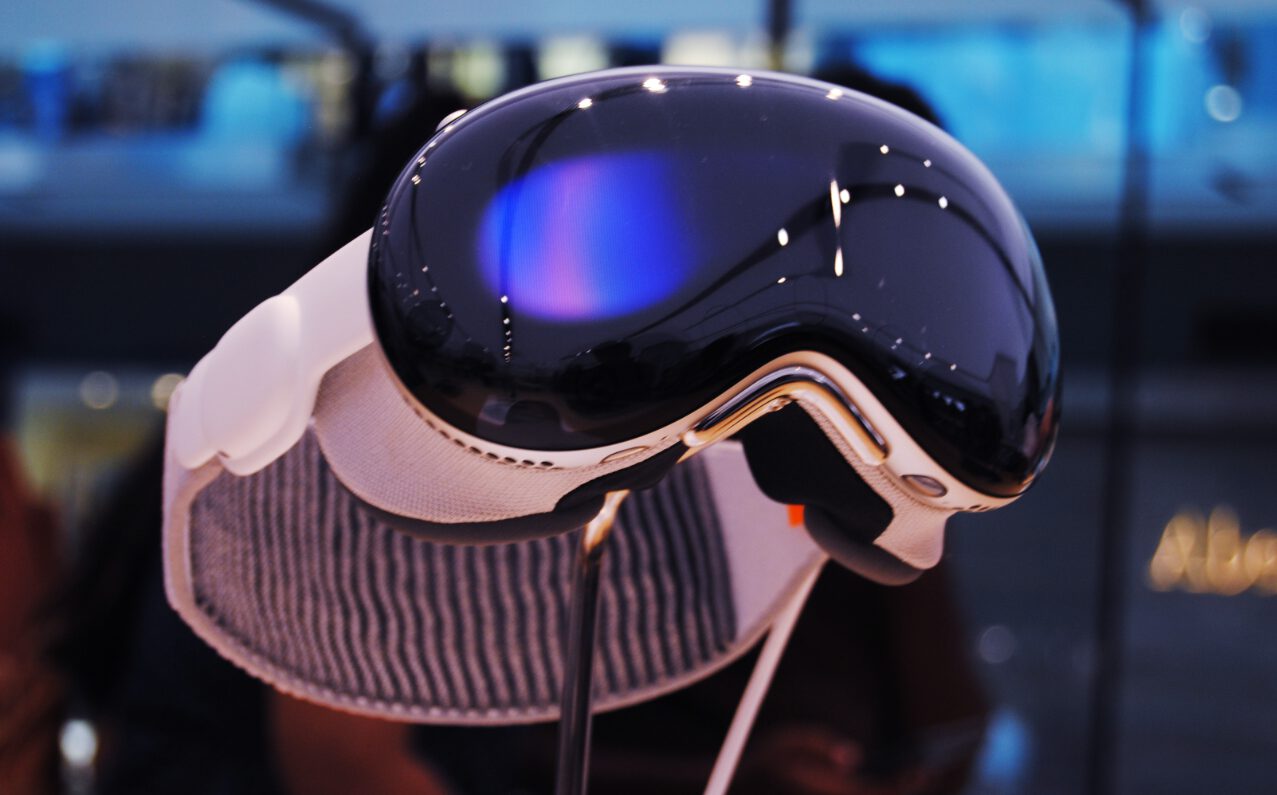
YouTube’s absence has plagued Vision Pro owners since launch—forcing you to fumble through Safari or hunt for third-party workarounds that Google kept shutting down. That drought finally ends today, February 12, 2026, with YouTube’s official visionOS app arriving over two years after the headset debuted. Better late than never, though the timing feels like showing up to a house party just as everyone’s calling their Ubers.
Spatial Video Gets the Treatment It Deserves
The app transforms YouTube into theater-sized immersive experiences with full spatial computing features.
The native app delivers everything missing from browser viewing—gesture controls for resizing windows, seamless scrubbing, and most importantly, dedicated support for 3D and 360-degree content. A new “Spatial” tab helps you discover VR180 videos that actually showcase what Vision Pro can do.
M5 model owners get 8K playback, while all users can sync their subscriptions, playlists, and watch history from any device. Your YouTube habits finally translate properly into spatial computing, creating the theater-sized viewing experience that Safari never quite delivered.
Awkward Timing Reveals Platform Realities
Google’s app launch coincides with Vision Pro’s steep sales decline and production challenges.
Google’s timing reveals more than strategic planning—it highlights spatial computing’s chicken-and-egg problem. Vision Pro shipments cratered to around 45,000 units in Q4 2025, prompting Apple to halt production due to weak demand.
Meanwhile, Google pushed Android XR hard, launching Samsung’s Galaxy XR in October 2025 with YouTube integration from day one. Arriving amid Vision Pro’s struggles makes YouTube’s app feel like a lifeline thrown to a sinking ship.
Netflix Still Missing While Competitors Catch Up
Major streaming gaps persist despite Disney+ and Prime Video supporting the platform.
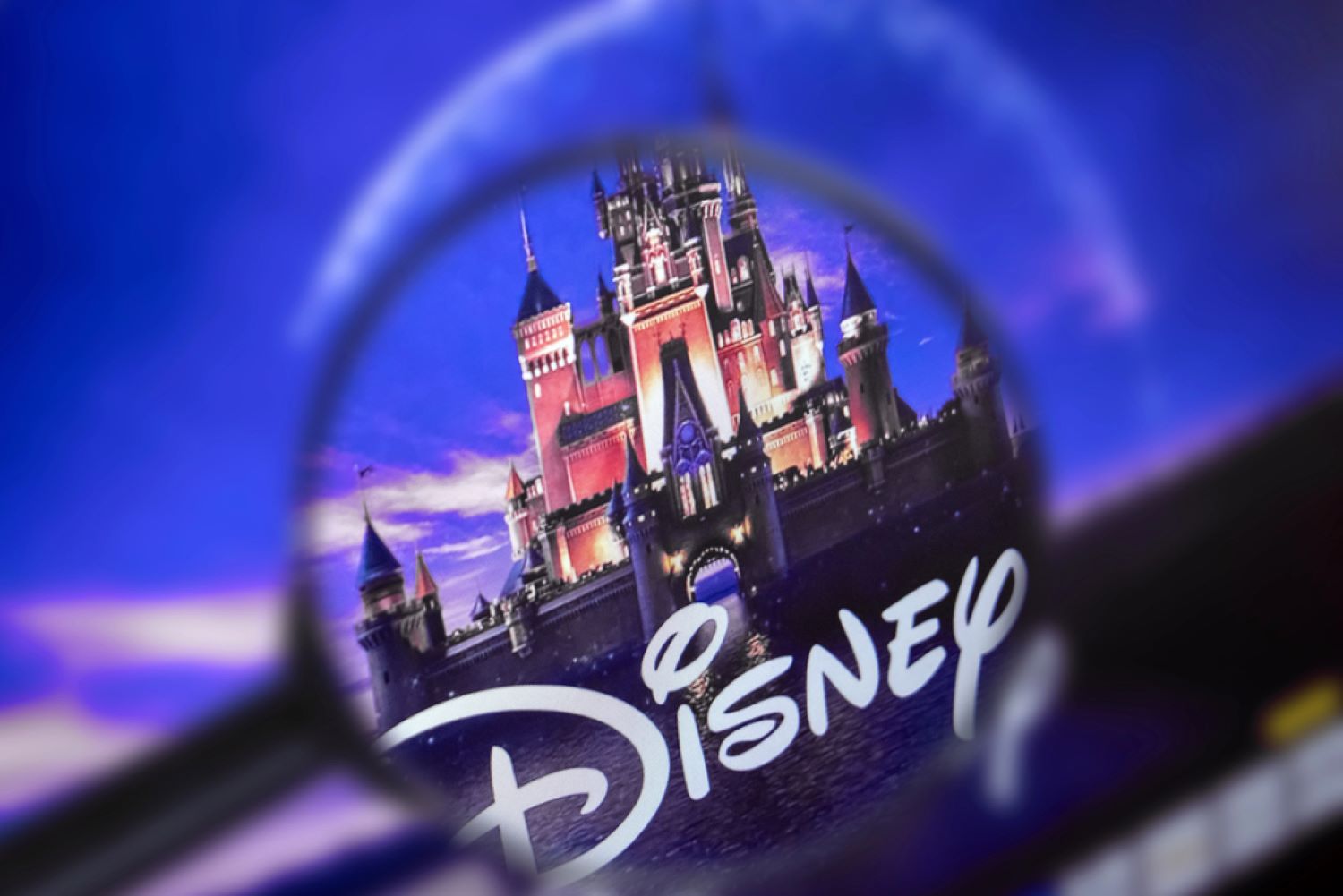
Netflix remains notably absent from visionOS, even as Disney+, Prime Video, Paramount, and Peacock offer native apps. The YouTube addition helps, but platform maturity requires comprehensive streaming support—something Android XR devices launched with.
For Vision Pro owners tired of Safari streaming, YouTube’s arrival marks progress toward the ecosystem Apple promised but has struggled to deliver completely.