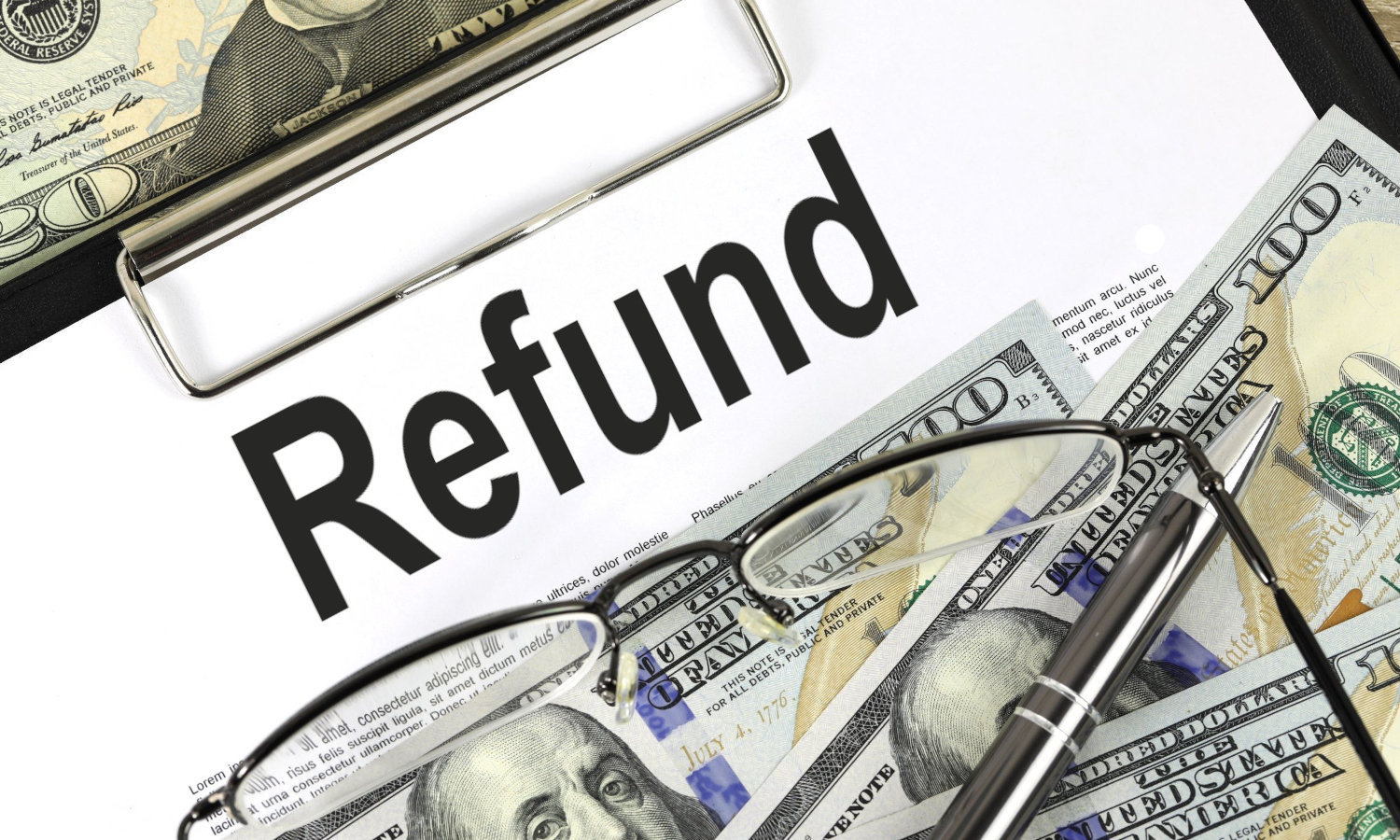
American consumers paid higher prices when tariffs took hold. Now the government is returning those tariff payments to the companies that imported the goods. At least nine publicly traded companies have disclosed using some of those refunds for executive or employee bonuses rather than reimbursing shoppers, according to ProPublica. The legal structure of tariff reimbursement routes all refunds to importers of record, not to the end consumers who absorbed a significant share of the original costs.
The System Cuts Consumers Out
Only the importer of record, the company legally recognized as the tariff payer, can claim a refund from the federal government.
Consumers absorbed an estimated 26 to 43 percent of tariff costs, depending on the study. They have no direct mechanism to apply for repayment.
A $1,000 Hole in Most Households
One study cited by ProPublica estimated that tariffs cost a typical American household roughly $1,000 during the prior year.
The study’s exact methodology and time frame were not specified in ProPublica’s reporting. That money has no automatic path back to consumers through the refund process.
Stanley Black & Decker’s Timeline
The company raised prices citing tariff costs, then disclosed at least $298 million in refunds and referenced bonus-related expenses in its filings.
Before the tariffs were struck down, then-CEO Donald Allan Jr. told shareholders that tariffs would lead to price increases. His successor, Chris Nelson, later announced an additional price increase to address tariff-related cost pressures.
After refunds became available, the company disclosed at least $298 million in tariff refunds. Its filings referenced “directly attributable costs for variable incentive compensation” as an offsetting expense. Stanley Black & Decker did not answer ProPublica’s questions about bonus recipients, amounts, or any plans to reimburse consumers.
TJX and Acushnet
Both companies disclosed significant refund amounts alongside substantial incentive compensation expenses in their filings.
TJX Companies, parent of TJ Maxx and Marshalls, reported $331 million in tariff refunds and accrued $112 million for year-end incentive and discretionary bonuses for eligible employees globally. Acushnet, the Massachusetts company behind Titleist, disclosed roughly $12 million in incentive compensation tied to its approximately $45 million refund.
Burlington Takes a Different Path
Burlington Stores said it would reinvest its refund in lower prices for shoppers rather than direct any of it toward bonuses.
Burlington received roughly $55 million in tariff refunds. The company told ProPublica that none of its refund money would go toward bonuses.
Other Companies Signal Consumer Benefits
Several major retailers and carriers said they would use refunds in ways intended to benefit customers.
UPS and FedEx established refund processes for customers whose shipments generated tariff payments, according to ProPublica. Walmart, Target, Costco, e.l.f. Beauty and Tractor Supply each indicated they would use refunds in ways intended to lower prices or benefit customers, though the companies described different approaches.
Courts Are Being Asked to Intervene
Lawsuits targeting several major retailers and brands seek to compel companies to share tariff refunds with consumers.
Suits have been filed against Walmart, Target, Nike, Lululemon and Stanley Black & Decker. Legal analysts have questioned whether those suits will succeed, since companies are generally not required to reduce prices or reimburse customers after receiving a tariff reimbursement, according to ProPublica’s reporting.
Washington Has Not Moved
Democratic senators and the Treasury Secretary have offered conflicting visions of who should receive the refund money.
Senators Elizabeth Warren, Cory Booker and Peter Welch urged the administration to require companies to pass some refunds to consumers and impose penalties for noncompliance. Treasury Secretary Scott Bessent acknowledged that consumers might not receive the money, arguing the refunds were being returned to the legally recognized payer of the tariffs.
Competing Arguments on Who Deserves the Money
Academic experts disagree on whether directing refunds to bonuses is inequitable or consistent with how compensation formulas operate.
Cornell accounting professor Nick Guest noted that the case for sharing refunds could apply equally to employees whose performance metrics suffered under tariff pressures and to consumers who paid higher prices. Syracuse corporate law professor Gregory Germain characterized bonuses funded by refunds as particularly inequitable, arguing that executives did not create the government overpayment that generated the windfall.