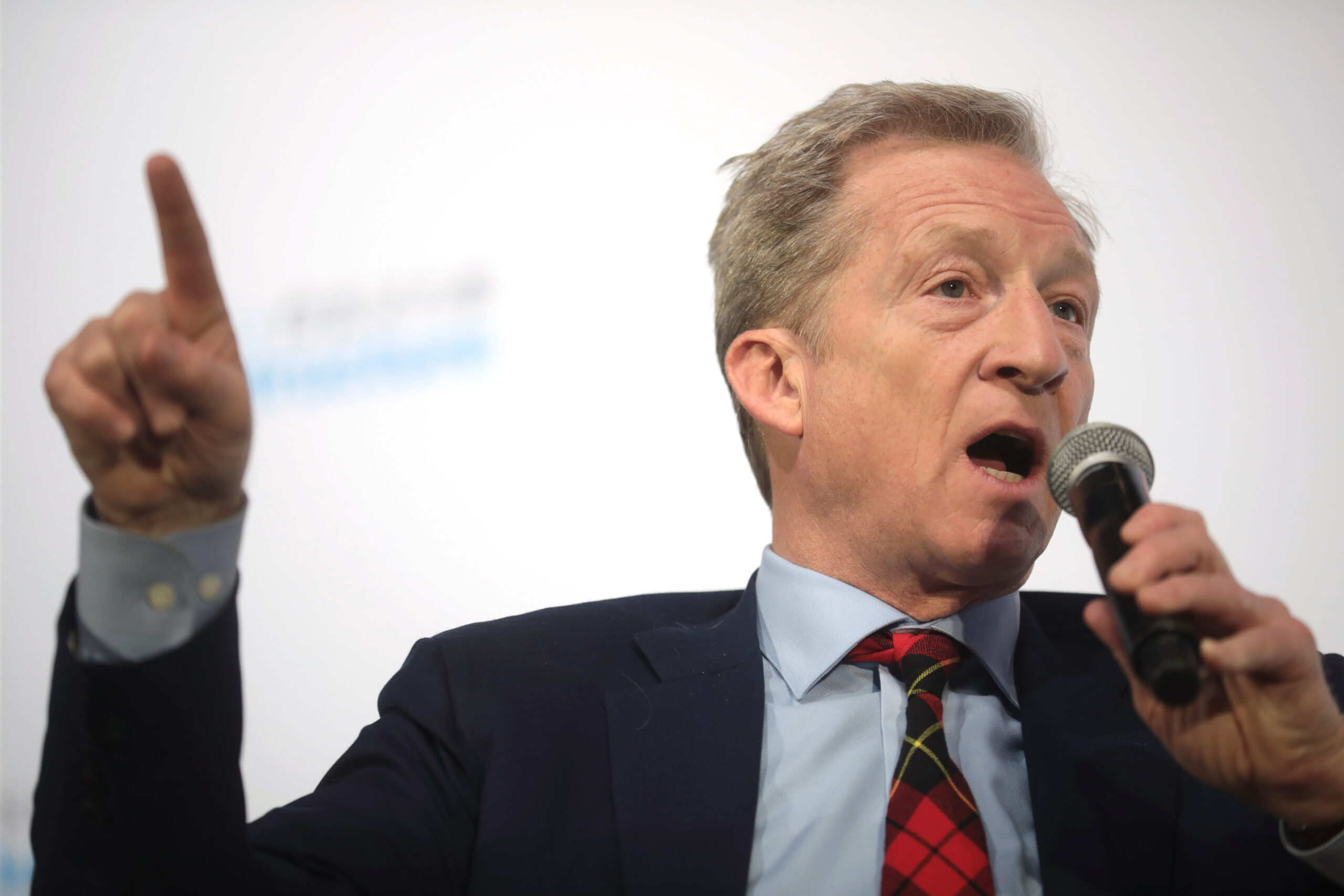
Tom Steyer wants to tax artificial intelligence by the token. The billionaire’s gubernatorial campaign unveiled a plan charging AI companies a fraction of a cent for every unit of data they process—essentially making Silicon Valley pay rent on the revolution it created. At a March town hall in San Diego, Steyer framed this “token tax” as California claiming ownership in AI’s explosive growth rather than watching from the sidelines while white-collar jobs disappear.
The $2.4 billion hedge fund founder isn’t proposing pocket change. Revenue from taxing companies like OpenAI and Anthropic—both headquartered in California—would seed a Golden State Sovereign Wealth Fund. Think Alaska’s oil dividends or Norway’s massive investment fund, but built on algorithms instead of natural resources.
From Big Tech Profits to Worker Paychecks
The fund would provide education, job training, and direct cash payments to Californians facing AI displacement.
Your future dividend check could depend on how many ChatGPT conversations happen daily. Steyer’s fund would redistribute AI wealth through three channels:
- Education funding
- Job retraining programs
- Direct cash payments to California residents
The proposal positions this as giving workers an “ownership stake” in AI development rather than just watching their roles get automated away.
However, the actual mechanics remain unclear. Details about specific tax rates would require extensive negotiation with both lawmakers and tech companies. Additional proposals include forcing data centers to cover their energy costs and mandating human oversight for critical AI tasks.
Political Reality Check
Trailing in polls, Steyer faces skeptical voters and a tech industry that might relocate rather than pay.
The applause at Steyer’s San Diego event doesn’t match his polling numbers. He’s running behind Republicans Steve Hilton and Chad Bianco in the gubernatorial race, along with Democrats Katie Porter and Silicon Valley-backed moderate Matt Mahan. His comparison of AI displacement to 1970s Rust Belt factory closures resonates emotionally, but implementing a token tax means convincing an industry accustomed to regulatory capture.
“I refuse to let California’s future be a boom for billionaires and a bust for everyone else,” Steyer declared. Whether California voters will trust another billionaire to redistribute tech wealth—especially one whose specific AI tax proposal lacks detailed documentation—remains the ultimate test of this ambitious but unverified plan.