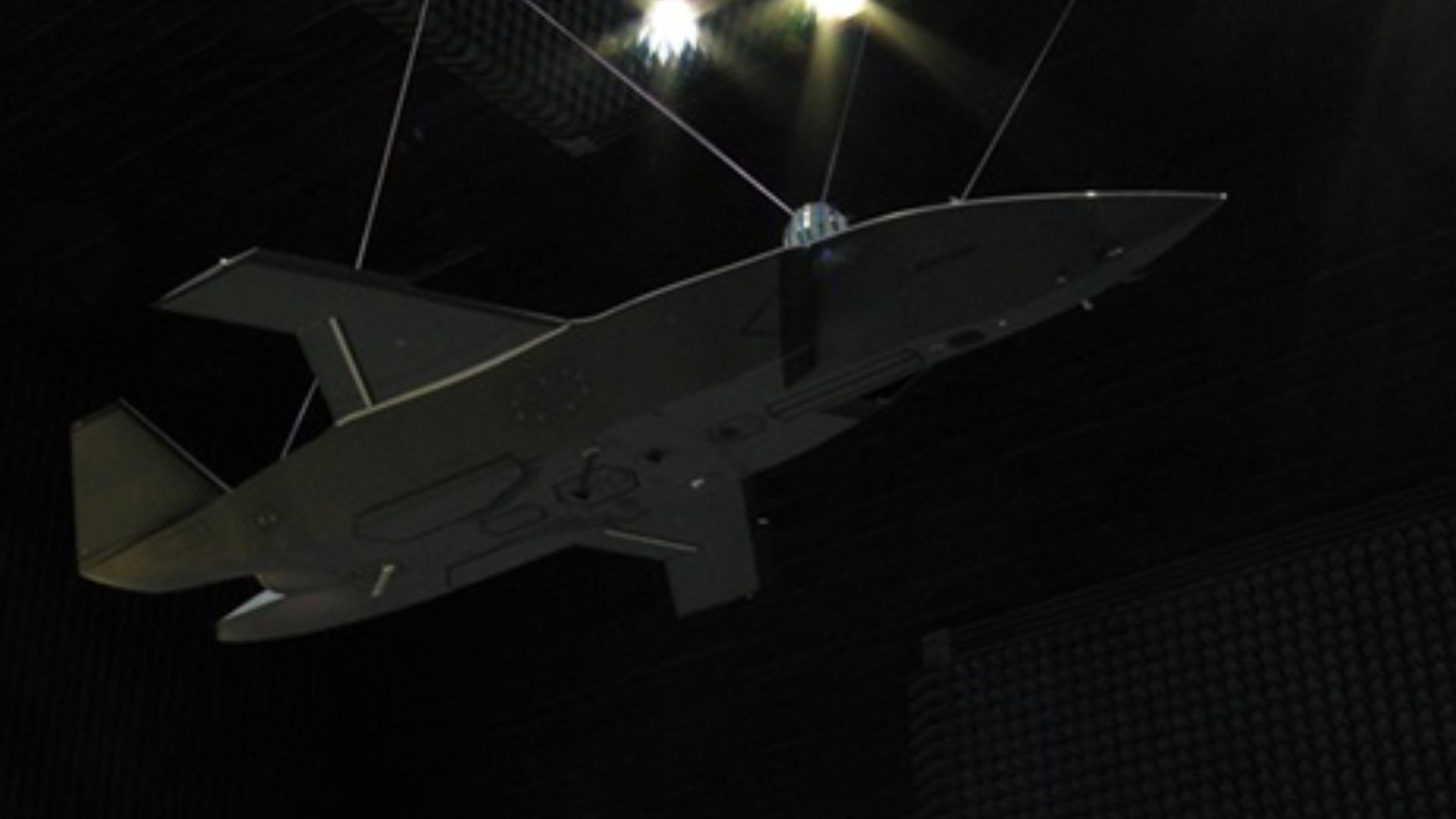
Boeing just validated something crucial about its MQ-28 Ghost Bat: the thing actually works as advertised when enemy radar sweeps the sky. Recent radar cross-section testing confirmed the autonomous aircraft’s stealth performance, marking a significant milestone for the loyal wingman concept that’s reshaping modern air combat.
Stealth Validation Changes the Game
Objective testing proves the Ghost Bat can survive in contested airspace alongside crewed fighters.
Think of radar cross-section testing as the ultimate lie detector for stealth claims. Boeing’s announcement means the Ghost Bat passed rigorous, repeatable measurements of how detectable it is to enemy radar systems. This isn’t marketing fluff—it’s the kind of validation that separates serious military hardware from expensive prototypes.
The testing supports everything from procurement decisions to tactical planning, giving commanders confidence that these autonomous wingmen won’t become sitting ducks in contested environments.
From Prototype to Battle-Ready Platform
Seven years of development and 150+ flights culminate in operational credibility.
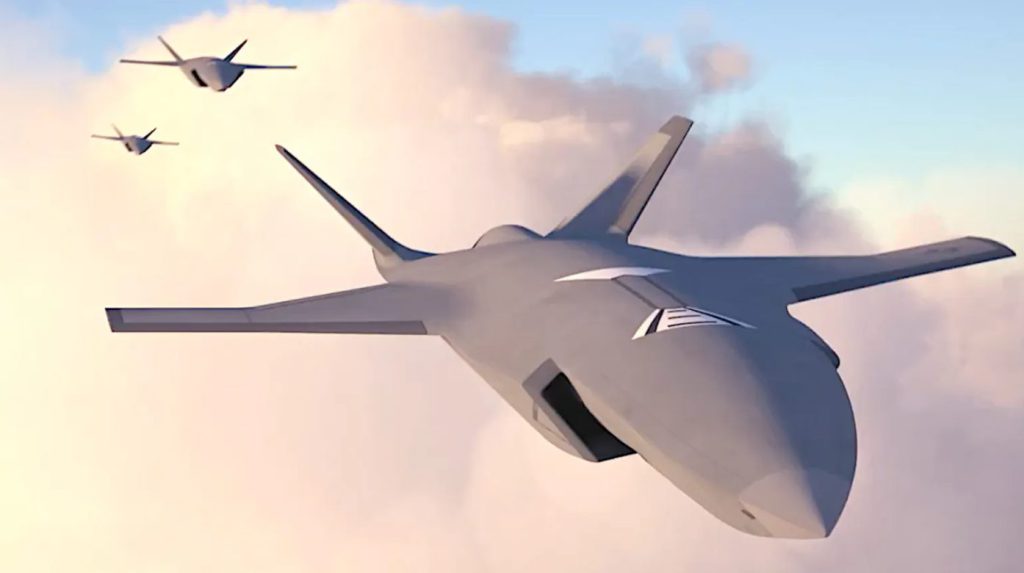
The Ghost Bat’s journey from 2017 concept to validated platform reflects how quickly autonomous combat aircraft are maturing. Since its 2021 first flight, the 38-foot-long aircraft has accumulated serious flight hours while demonstrating collaboration with platforms like the E-7A Wedgetail and F/A-18F Super Hornet.
Boeing designed this 7,000-pound autonomous aircraft specifically for highly contested environments where traditional aircraft face unacceptable risk. The stealth validation proves it can actually survive there.
Extending Fighter Reach Without Risk
Autonomous wingmen multiply force effectiveness while keeping pilots safer.
Picture sending your most experienced pilot into hostile airspace—now imagine achieving the same mission while that pilot remains safely outside enemy range. The Ghost Bat’s 2,000+ nautical mile range and Mach 0.9 speed enable exactly this scenario.
It handles intelligence gathering, electronic warfare, and force multiplication missions that would otherwise expose crewed aircraft. With a 40,000+ foot ceiling, it operates in the same airspace as traditional fighters while absorbing risks human pilots shouldn’t take.
What Remains Behind Classifications
Public disclosure limits prevent detailed performance comparisons.
Boeing won’t reveal actual radar cross-section numbers or specific test conditions—standard practice for military stealth programs. You can’t benchmark the Ghost Bat’s stealth against known aircraft or threat systems based on public information.
What matters is that Boeing and the Royal Australian Air Force consider the validation sufficient for moving forward with tactics development and operational planning. Sometimes “trust but verify” means accepting that verification happens behind classification barriers.
The Ghost Bat’s stealth validation signals autonomous combat aircraft are transitioning from experimental curiosities to operational reality. When your wingman doesn’t need life support, the calculus of air combat fundamentally changes.