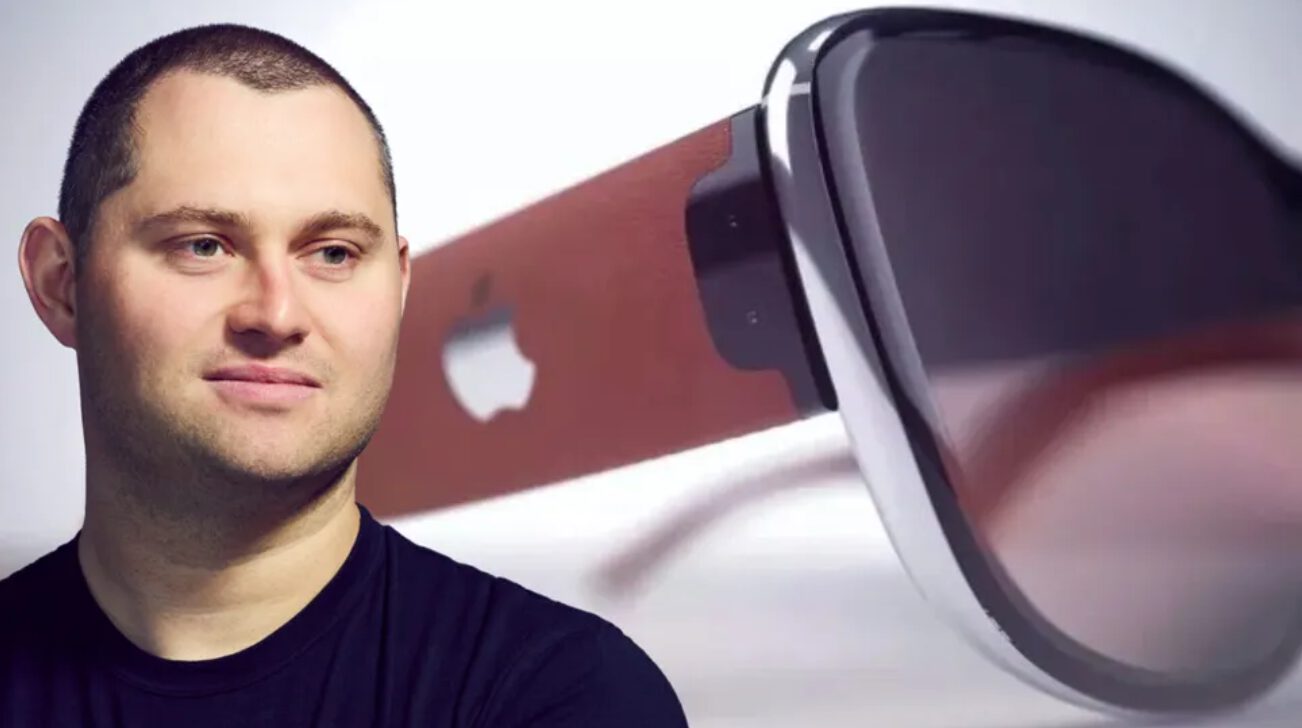
Meta’s Ray-Ban smart glasses have been quietly winning converts, but Apple’s preparing to disrupt that market. According to Bloomberg’s Mark Gurman, the Cupertino giant plans to unveil its own smart glasses in September or October 2026, deliberately timing the announcement to “disrupt Meta’s momentum” during the crucial holiday shopping season.
Strategic Timing That Changes Everything
This isn’t random scheduling—it’s warfare by calendar. By announcing before the crucial holiday shopping season, Apple transforms every potential Ray-Ban purchase into a waiting game. Smart shoppers suddenly face the classic Apple dilemma: buy the proven product now or wait for the ecosystem integration you know will be superior? Meta’s momentum hits a wall when consumers start asking “but what if Apple’s version works better with my iPhone?”
Premium Design Meets iPhone Integration
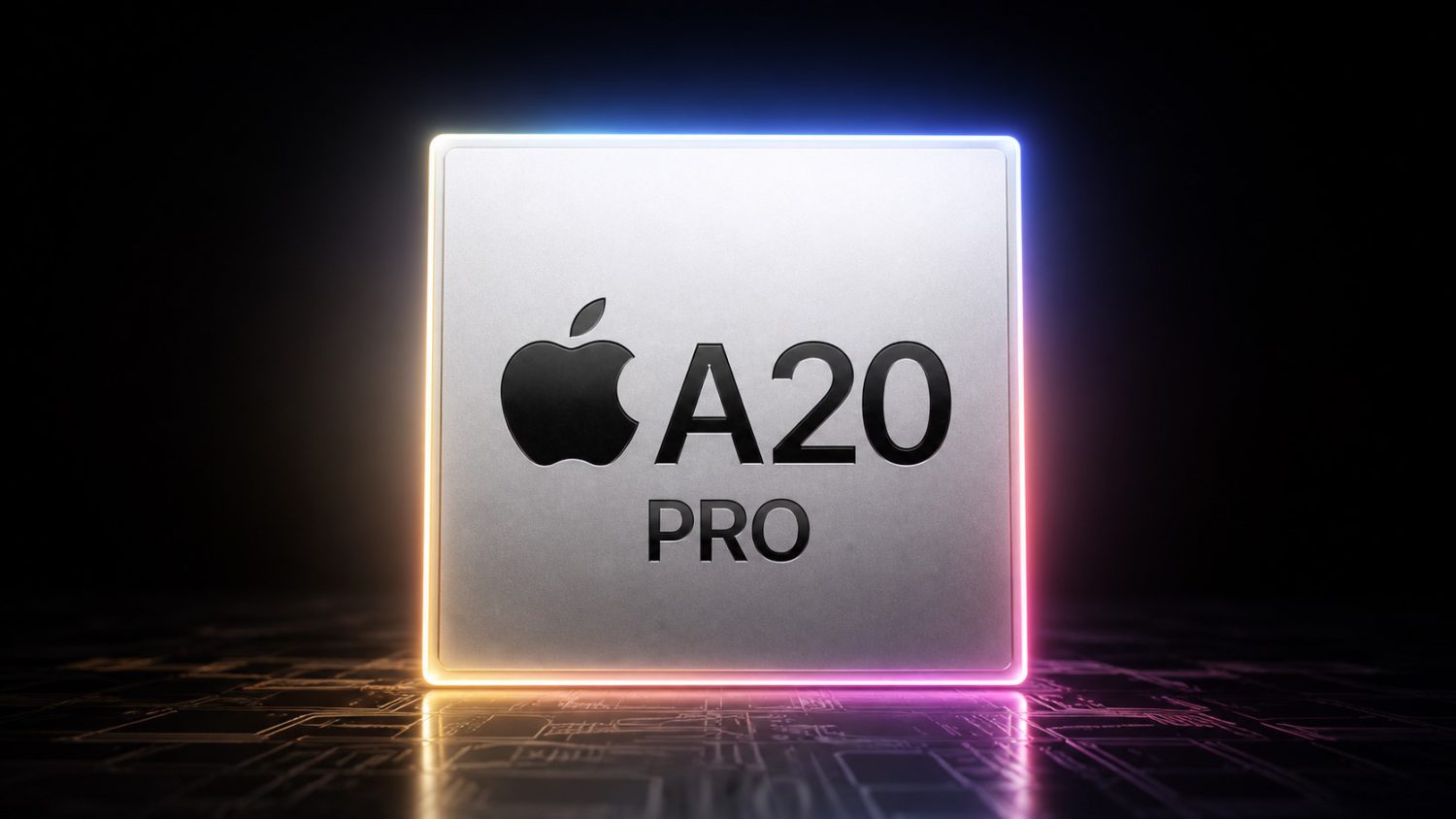
Apple’s betting on acetate construction over plastic, offering four styles in black, ocean blue, and light brown finishes. The first generation skips displays entirely—unlike Meta’s new Ray-Ban Display model—focusing instead on cameras, mics, and speakers powered by Apple silicon.
Visual Intelligence promises contextual reminders when you spot items from your shopping list, while enhanced navigation offers directions based on camera-recognized landmarks. Think “turn left by the gray hotel” rather than generic GPS instructions.
The Siri Problem Nobody’s Discussing
Here’s the catch that should temper your excitement: Apple’s “new Siri” with chatbot features and app extensions won’t arrive until iOS 27, roughly 2028. The glasses launching in early 2027 will rely on current Siri capabilities—functional but hardly the AI breakthrough that justifies premium pricing.
You’re essentially buying into Apple’s AI future rather than its present reality.
Broader Wearable Ecosystem Play
Apple’s also developing AirPods with IR cameras for environmental awareness and an AI pendant for shirt-clip convenience. This multi-device approach mirrors how AirPods became essential iPhone accessories. The glasses aren’t meant to replace your phone but to make it more ambient, turning everyday spaces into contextual interfaces.
The 2026 announcement will force every smart glasses maker to justify their iPhone compatibility—or lack thereof. For Apple users, the question isn’t whether these glasses will integrate seamlessly, but whether waiting another year beats buying into Meta’s current ecosystem.