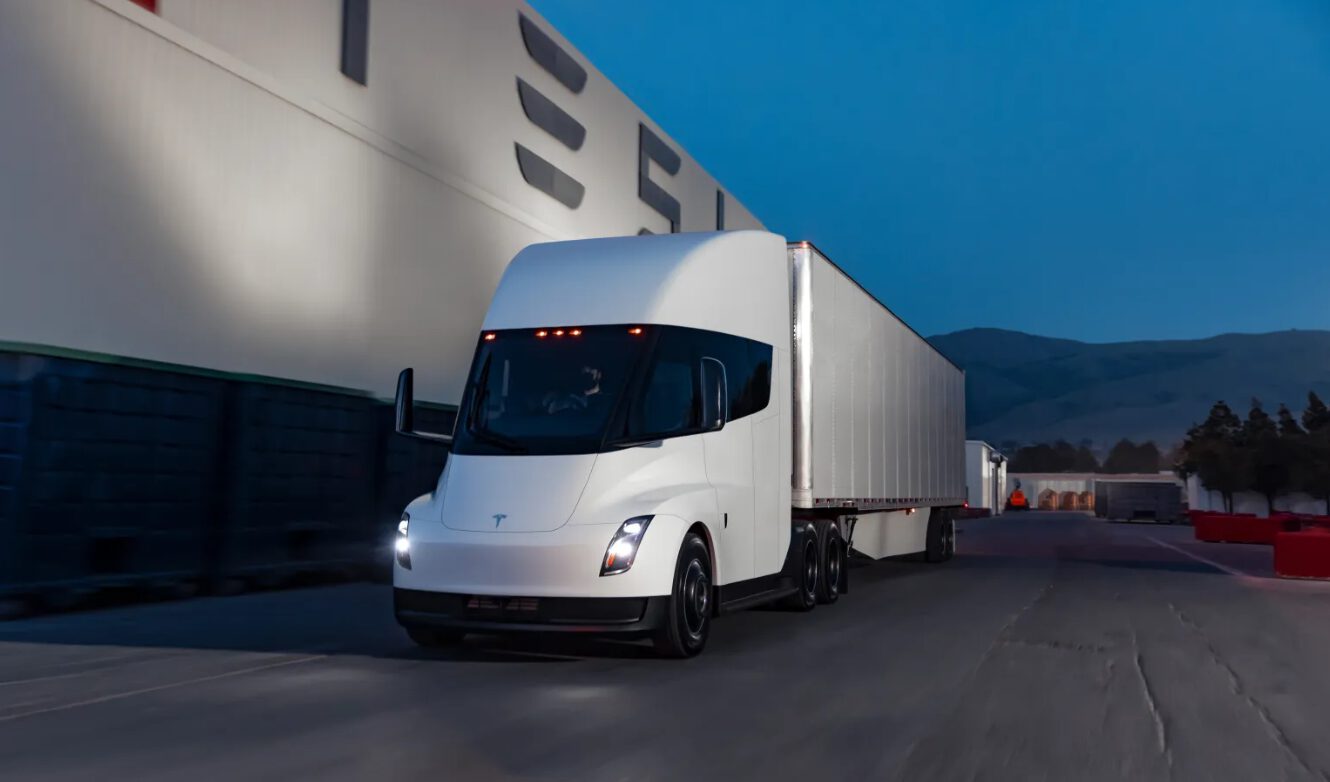
Driving 11 hours daily in a cramped cab that vibrates like a paint mixer isn’t just uncomfortable—it’s dangerous. The Tesla Semi‘s radical center-seat design throws out eight decades of conventional trucking wisdom, positioning drivers dead-center with panoramic visibility that makes blind spots nearly extinct.
Ergonomics That Actually Work
Most truckers swap out factory seats within months because manufacturers treat driver comfort like an afterthought. Tesla’s center-seat features a multi-post architecture with independent height adjustment and pivotally coupled lift links—engineering speak for “this actually fits your body.” The positioning places you a wingspan’s length from windows, creating 360-degree road awareness that conventional offset cabs can’t match.
Standing room hits 6.5 feet with a flat floor design. No more hunching over like you’re sneaking through a basement. The custom suspension system directly addresses the fatigue issues that plague drivers in traditional offset-seat configurations.
Digital Mirrors End the Neck-Craning Era
Those massive side mirrors bouncing like maracas? History. Tesla’s camera-based system feeds high-resolution images to dual 16-inch QHD touchscreens, showing feeds from 10 cameras positioned around the rig. Merging becomes less terrifying when you can actually see what’s coming without contorting your spine into yoga positions.
The instant torque means you can actually use those merge opportunities when they appear—no waiting for a diesel engine to remember it has power. The wider field of view reduces blind spots that cause accidents in conventional rigs.
The Day Cab Reality Check
Here’s where Tesla acknowledges trucking reality: this is strictly a day cab. No sleeper berth means no coast-to-coast runs, which has some drivers crying foul. But pilot fleets like PepsiCo and Frito-Lay have tested the Semi extensively in regional applications where drivers return home nightly.
The reduced noise and vibration compared to diesel rigs translates to less end-of-shift fatigue. The trade-off feels intentional—Tesla is targeting regional hauling where drivers go home nightly, not the romantic long-haul lifestyle that barely exists anymore anyway.
Volume production begins in 2026 from Nevada’s Gigafactory, with Tesla targeting 50,000 trucks per year at full capacity. Whether traditional truckers embrace sitting in the center remains the million-mile question, but the early pilot program results suggest this ergonomic revolution might actually stick.