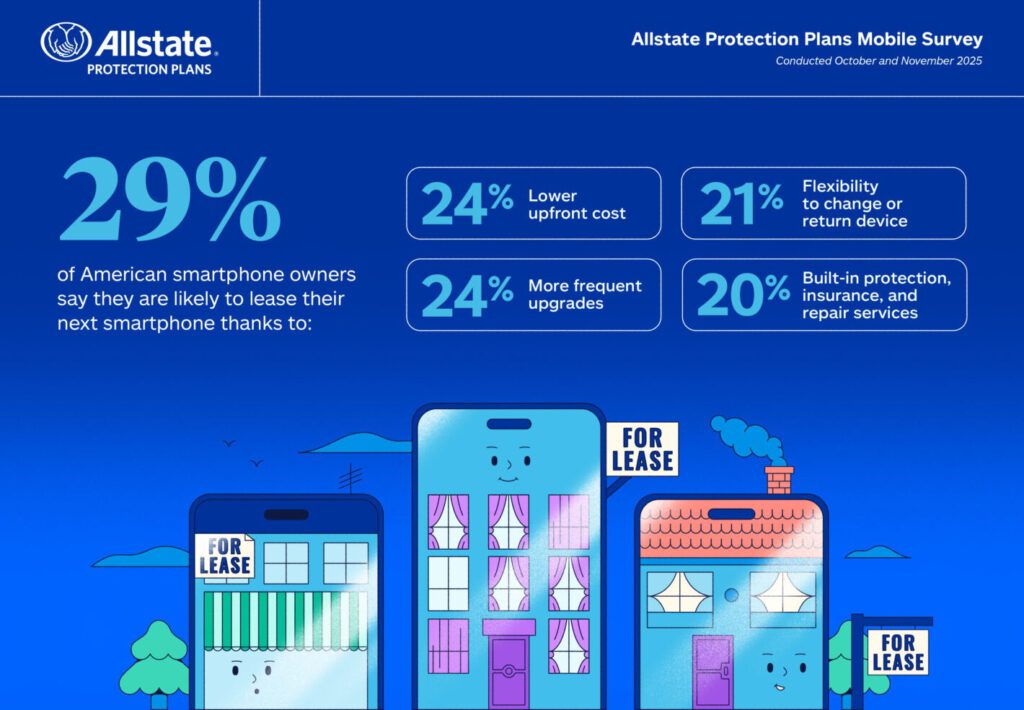
Twenty-nine percent of smartphone owners are eyeing leasing over buying their next device—a fundamental shift that signals the end of tech’s most reliable consumer habit. That statistic from Allstate Protection Plans’ January survey represents more than changing payment preferences. It’s the smartphone industry’s equivalent of cord-cutting, driven by economic reality and a growing realization that your three-year-old phone still works fine.
The Annual Upgrade Myth Finally Dies
The pressure to constantly upgrade has evaporated faster than your phone’s battery after a software update.
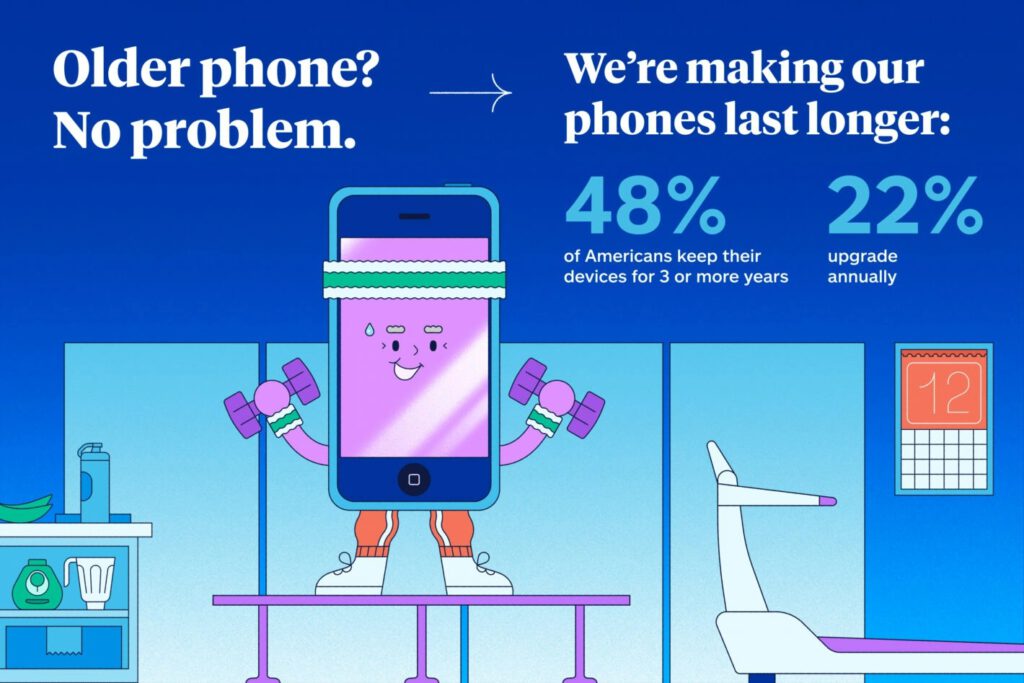
Staring at your perfectly functional phone while friends flash new models? You’re part of a massive behavioral shift. Only 22% of Americans now upgrade within 12 months, while 27% wait two years and 23% stretch to 3-4 years according to the Allstate Protection Plans survey.
Battery life now ranks as the top purchase driver, jumping from second place in 2023. Meanwhile, AI features—despite breathless marketing campaigns—influence just 17% of buyers. Translation: You want your phone to last through the day, not compose haikus.
Economic Reality Bites Back
When manufacturers absorb less and pass more costs to consumers, leasing becomes the path of least financial resistance.
TrendForce reports memory price surges of 200% year-over-year aren’t just industry inside baseball—they’re about to hit your wallet. These component costs now represent 30-40% of manufacturing expenses, with TrendForce projecting a 15% drop in global smartphone production for 2026.
This isn’t just about sticker shock. Cost-of-living pressures have made the $1,200 flagship purchase feel reckless. Leasing spreads that pain across monthly payments while preserving upgrade flexibility—assuming the economy cooperates.
Manufacturers Adapt or Die
These extended lifecycles directly counter upgrade pressure by keeping older devices secure and functional.
Seven-year software support transforms smartphones from disposable gadgets into long-term investments. Google and Samsung now promise seven years of updates, while Apple commits to six-plus years.
The strategy works like Netflix’s shift from DVD-by-mail to streaming—anticipating consumer behavior rather than fighting it. Manufacturers would rather keep you in their ecosystem longer than lose you to refurbished alternatives or budget competitors.
This trend reshapes everything from carrier business models to trade-in values. Your next phone decision isn’t just about features anymore—it’s about whether ownership still makes sense in an economy that increasingly favors access over assets.