Detroit’s pivot to chip-dependent engineering left a vacuum, but scattered across Craigslist and dusty farm roads, these analog workhorses still haul 90% of what you need. These American titans run on pure grit and a wrench, chosen specifically for their lack of computer chips in the fuel system. They’re a deliberate act of defiance against planned obsolescence, offering robust engineering and surprising affordability.
6. Ford F-250 with 7.3L IDI (Naturally Aspirated, Manual Transmission)
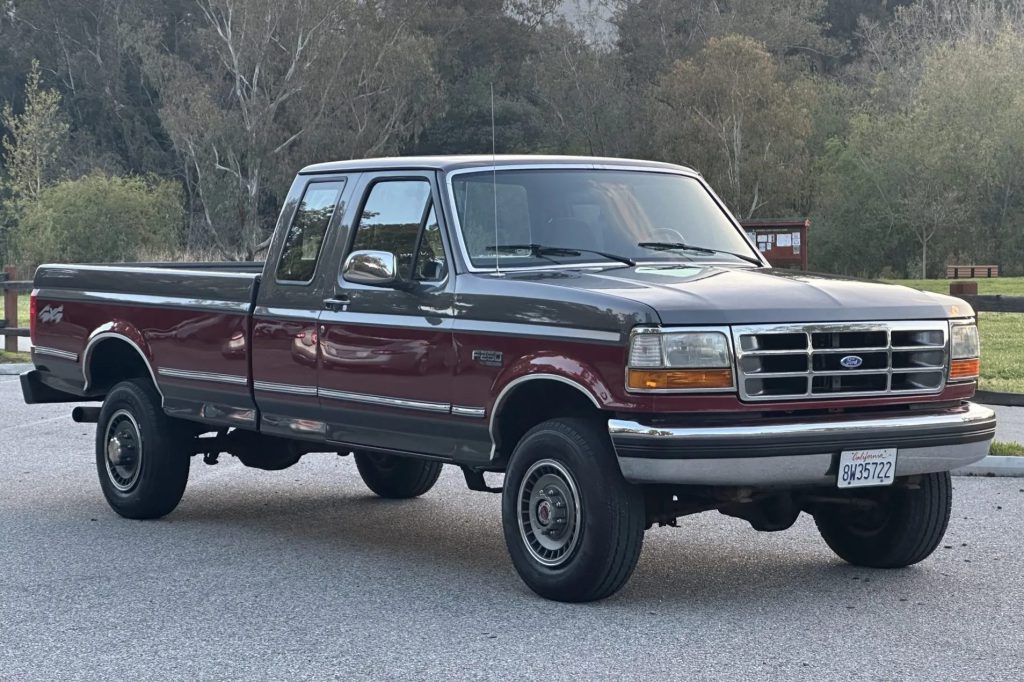
The naturally aspirated 7.3L IDI diesel paired with manual transmission was Ford’s last hurrah for pure mechanical muscle.
This beast offered up to 185 hp and 358 lb-ft of torque, a mechanical marvel before silicon took over. When hitched to a manual transmission like the BorgWarner T19 or ZF S5-42, this setup relied on a Stanadyne DB2 mechanical pump, ensuring your fuel delivery wasn’t dictated by a computer chip.
These trucks are the analog equivalent of a vintage record player in a sea of streaming services—simple, honest, and built to last. They represent a shrinking pool of trucks where you can actually understand what’s happening under the hood without needing a laptop.
5. Dodge W250 with 5.9L 12-valve Cummins (VE-Pump Trucks)
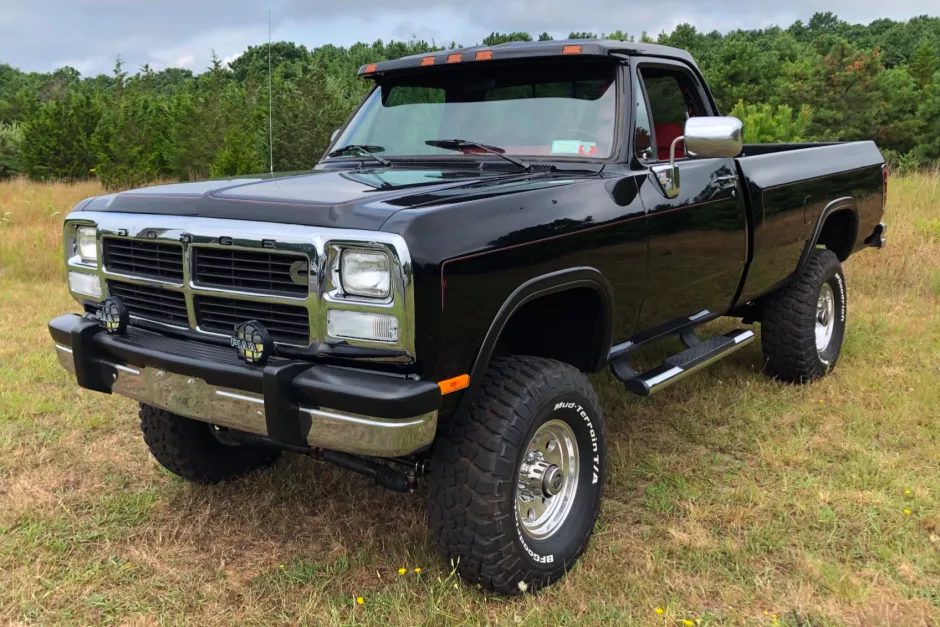
The legendary 5.9L 12-valve Cummins engine feels like it’s built from engine blocks and pure grit.
These early VE-pump models, produced from 1989 to 1991.5, swaggered out of the factory with around 160 hp and a stout 400 lb-ft of torque, all managed by a Bosch VE rotary injection pump. No computers fussing with the fuel delivery – just raw mechanical muscle, making it as refreshingly analog as a rotary phone in a world of touchscreens.
Sure, these trucks have a notorious weak spot: the “killer dowel pin” (KDP) issue. It’s a locating pin that can work its way loose, threatening to wreak havoc on the timing gears. Thankfully, a simple fix with an inexpensive retainer kit is widely available. Despite this age-old quirk, these Cummins-powered rigs, often paired with a trusty Getrag 5-speed manual, remain seriously desirable for anyone who appreciates old-school diesel power.
4. Ford F-250 with 6.9L IDI diesel (1983-1987)
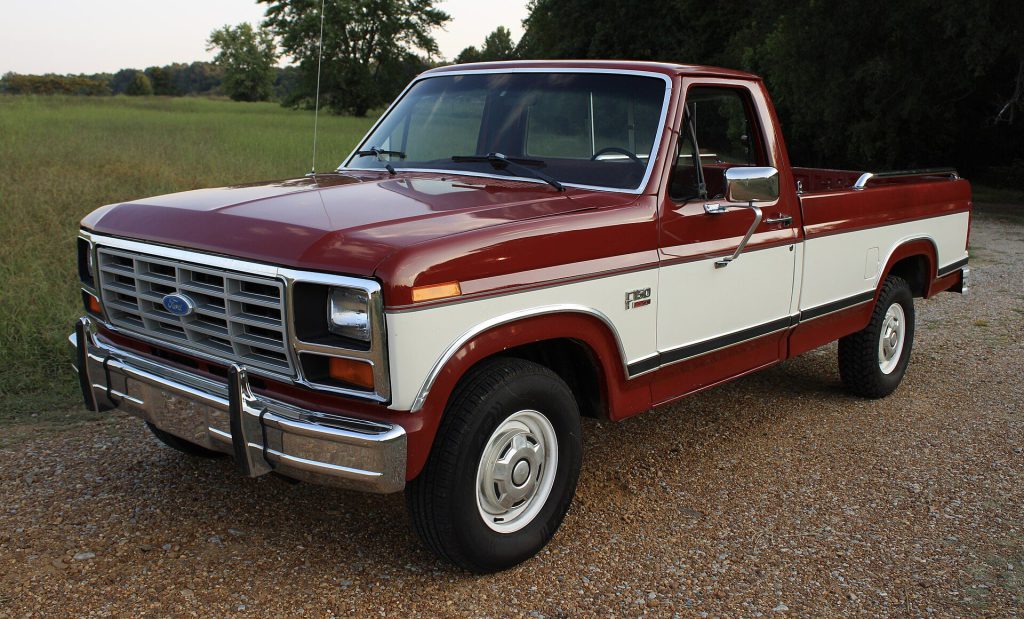
Built by International Harvester/Navistar, this diesel pioneer shuns computer chips entirely.
This truck is for folks who think a diagnostic scanner is just a fancy name for a paperweight. The 6.9L IDI diesel engine relies on a Stanadyne DB2 mechanical injection pump to feed its eight cylinders. Back in its day, this powerplant churned out around 170 hp and a healthy 315–338 lb-ft of torque.
It’s a testament to brute-force engineering, where fixing a fuel delivery issue means grabbing a wrench, not booting up a laptop. These trucks are like mechanical dinosaurs—simple, tough, and wonderfully free of modern digital headaches.
3. Chevrolet / GMC K20 with 6.2L Detroit Diesel
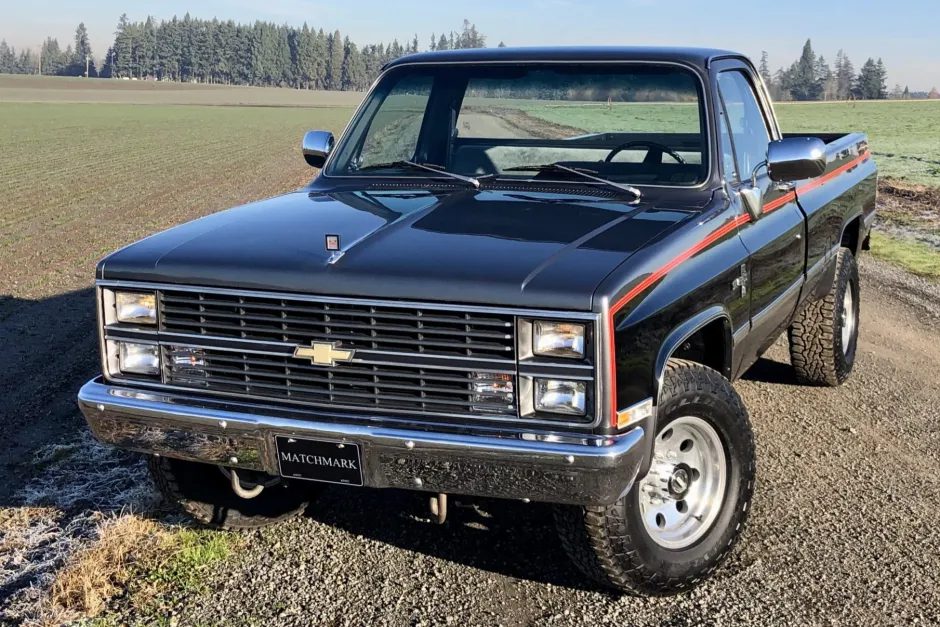
Image: Bringatrailer
Municipal fleets and rural work crews once relied on this workhorse built for endurance, not fancy tech.
Its heart beats with a purely mechanical Stanadyne DB2 injection pump, meaning no sensors or computer chips are calling the shots. Tuned for serious low-end torque, this engine typically churned out around 130–150 hp and 240–260 lb-ft of torque. It was designed to get loaded trailers moving or drag equipment without breaking a sweat.
These 6.2L Detroit Diesel K20s represent a path to mechanical independence, offering a straightforward way to keep a truck running without needing a tech degree. Anyone who’s ever wrestled with a modern truck’s diagnostic codes knows the appeal of something this analog.
2. Chevrolet CUCV M1008 (Military 1 1/4-ton)
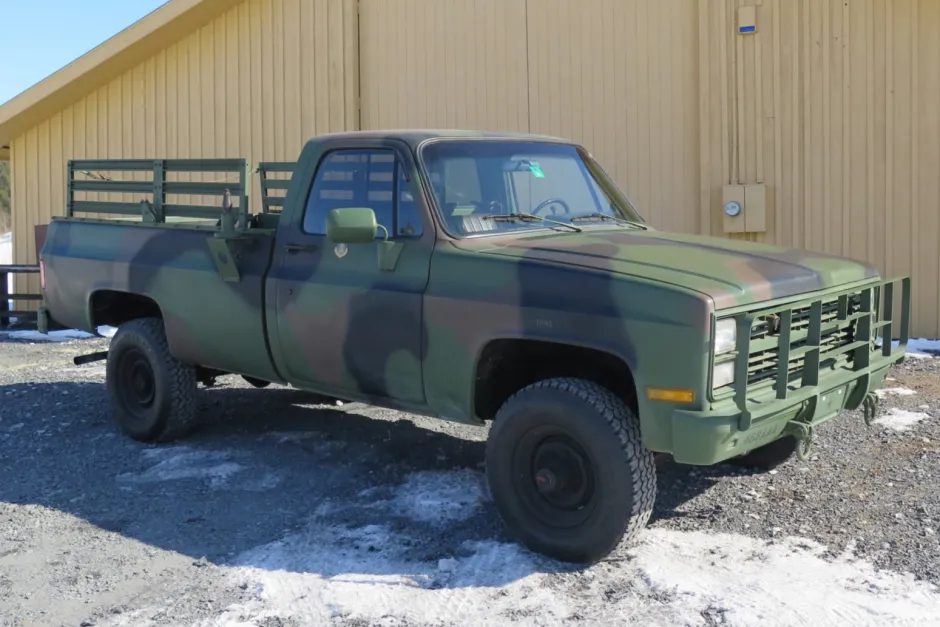
Built between approximately 1984 and 1987, this was basically a K30 chassis wearing a military uniform.
It packs a 6.2L Detroit Diesel engine that’s so analog, it practically predates the concept of sensors. That’s right, no computer brain to throw a tantrum. The fuel system runs on a Stanadyne DB2 mechanical pump with zero electronic interference.
This beast features a 24-volt/12-volt hybrid electrical system, which sounds like a sci-fi movie plot but is actually just a clever way to power military gear and your modern-day radio without frying anything. Owning one of these Chevrolet CUCV M1008 units means you’re signing up for a hands-on relationship with mechanics, a commitment many modern vehicles just don’t ask for anymore.
1. Chevrolet ‘Square Body’ K10 / K20 with Carbureted 350 Small-Block V8
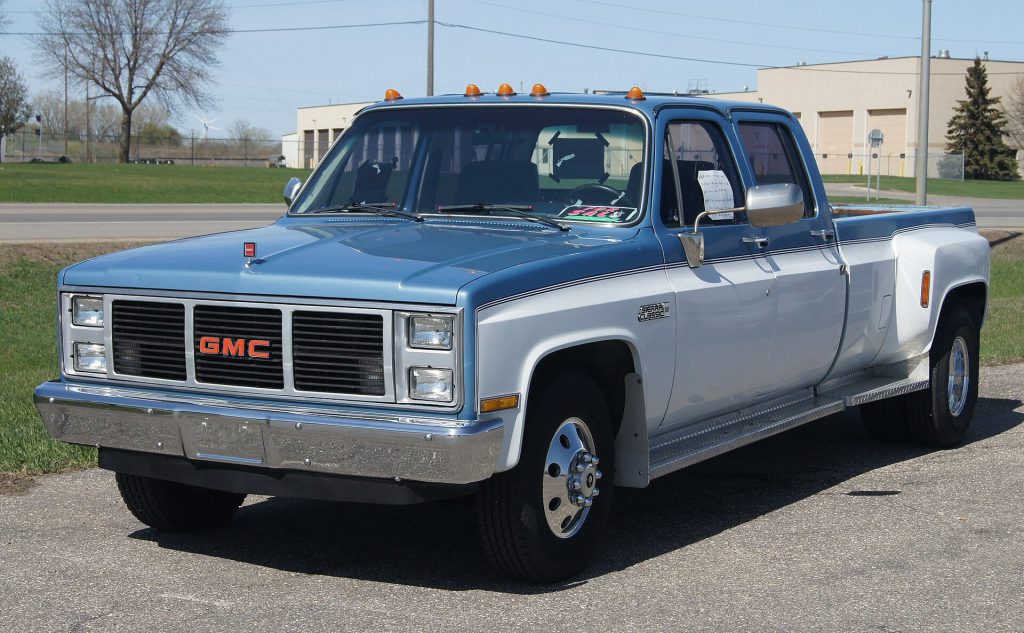
These trucks from the late 1970s to mid-1980s offer purely mechanical trucking in an era of digital dashboards.
Equipped with the 350 cubic inch (5.7L) small-block V8, they rely on a Rochester Quadrajet carburetor and a good old-fashioned mechanical fuel pump. This setup means no complex ECUs, no baffling sensor arrays—just straightforward, honest engineering. While your smartphone needs a software update and a secret handshake with its charger, these trucks just need gas and oil.
For anyone who’s ever stared blankly at a check engine light, this is your therapy session. Carburetor rebuild kits are famously inexpensive, turning routine Saturday morning tune-ups into a satisfying ritual rather than a wallet-draining dealer visit. It’s a gas-powered workhorse that proves you don’t need a chip to earn your keep.