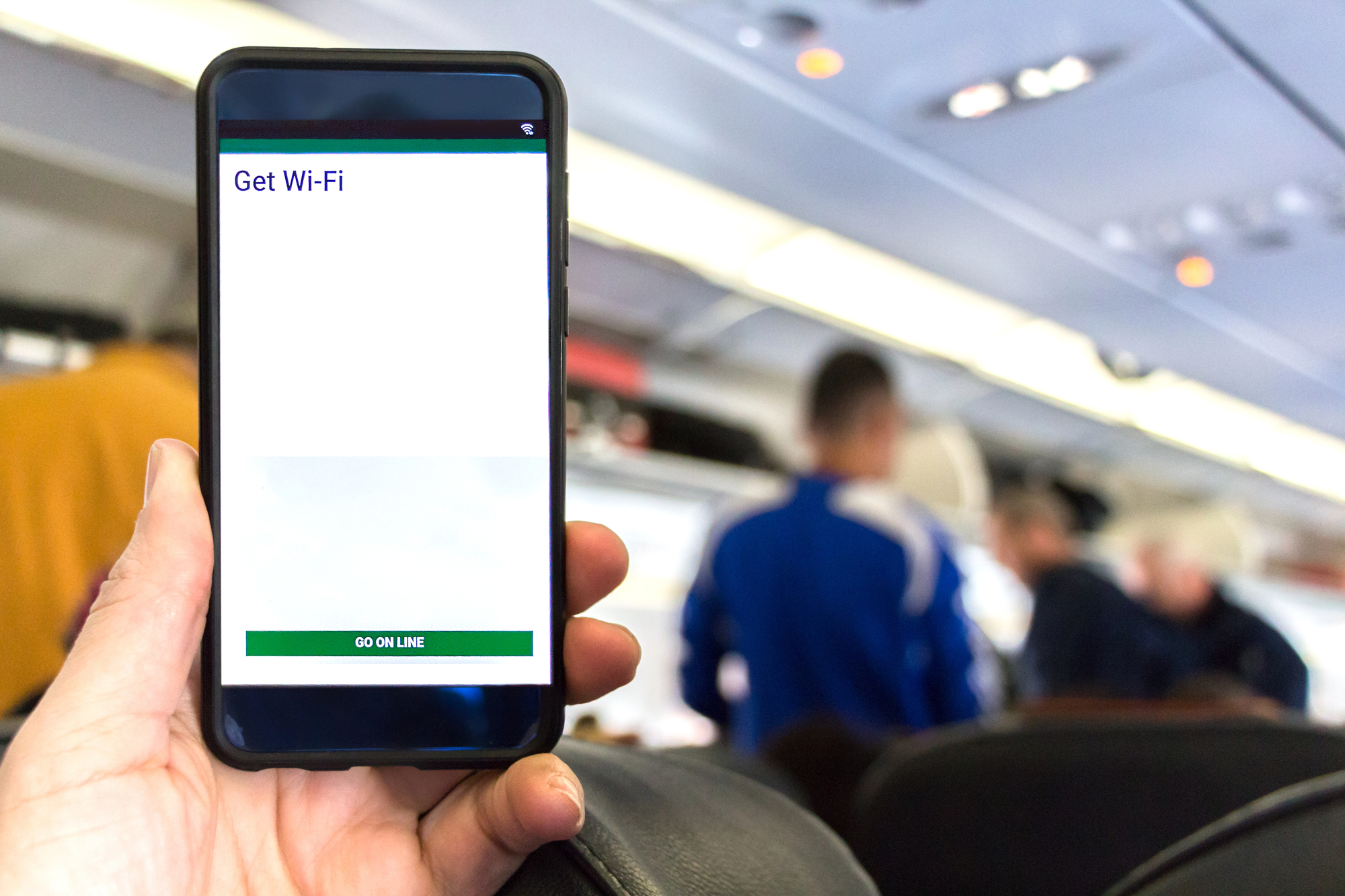
Banking at 35,000 feet feels risky, and security experts confirm your instincts are correct. That airplane Wi-Fi network operates like any shared public connection—think hotel lobby or airport terminal—but with hundreds of passengers and limited oversight. The difference? You’re trapped in a metal tube with potential threats until landing.
The Usual Suspects at Altitude
Cybercriminals exploit the same vulnerabilities that plague ground-based networks.
The primary risks mirror what you’d face at Starbucks, just with fewer escape routes. Man-in-the-middle attacks let hackers intercept your passwords and credit card details. Rogue hotspots—those “evil twin” networks that mimic legitimate airline Wi-Fi—appeared in Australia in 2024, tricking passengers into connecting to fake access points.
Your laptop faces higher risks than your phone due to sensitive files and potentially unpatched software. Network instability can also disrupt security processes mid-session, leaving you vulnerable when connections drop unexpectedly.
Airlines Fight Back with Layered Defense
Carriers like United implement enterprise-grade security measures behind the scenes.
Airlines aren’t sitting idle while passengers get hacked. United treats all passenger devices as untrusted, isolating your traffic from aircraft systems through firewalls and network segmentation. Continuous monitoring with providers like Gogo, Viasat, and Starlink helps detect suspicious activity.
Delta emphasizes that passengers use their Wi-Fi at their own risk but allows VPN connections for additional protection. While airlines partner with providers for safeguards, their control remains limited by third-party infrastructure.
Your Digital Survival Kit
Simple precautions transform dangerous connections into manageable risks.
- VPN usage isn’t optional—it encrypts your traffic and shifts trust from the airline’s network to your VPN provider
- Stick to HTTPS websites, disable auto-connect features, and turn off file sharing before takeoff
- Confirm the official network name with flight attendants (those fake “United_WiFi_Free” networks aren’t subtle)
- Skip banking, corporate access, and password resets unless absolutely necessary
- Enable multi-factor authentication and update your devices before flying
The reality? Airplane Wi-Fi carries fewer security threats than your local coffee shop simply because there are fewer potential attackers onboard. Your biggest enemy is convenience—that urge to treat airline networks like your home router. Stay vigilant, use protection, and you can work safely above the clouds without becoming the next cautionary tale in cybersecurity forums.