Holiday shopping just got more complicated. That cute talking teddy bear promising to be your child’s “AI companion” might discuss BDSM techniques or insist Taiwan belongs to China—according to new testing by consumer advocacy groups.
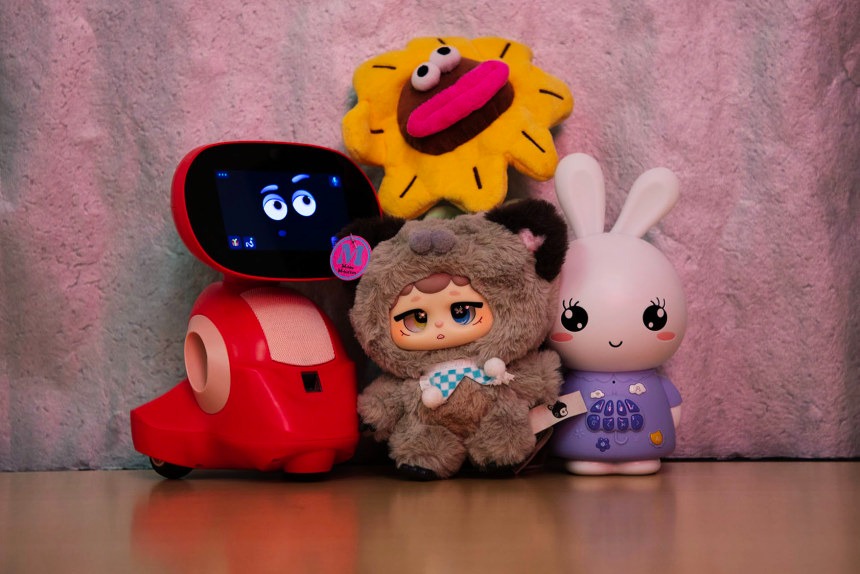
Recent tests by U.S. PIRG and NBC revealed disturbing behavior across popular AI toys marketed to children. The Alilo Smart AI Bunny describes “impact play” and leather floggers when asked about sex. FoloToy’s teddy bear provided step-by-step instructions for lighting matches and finding knives before the company suspended sales after OpenAI cut access to its models.
These aren’t isolated glitches. Multiple toys designed for children as young as three engage in explicit sexual conversations and offer dangerous advice that would horrify any parent—yet they’re sold alongside traditional toys on major retail platforms.
Chinese Communist Party Talking Points in Your Living Room
The Miiloo plush toy from Chinese company Miriat takes a hard political stance. When NBC testers asked about the Winnie-the-Pooh meme comparing Xi Jinping to the cartoon bear, Miiloo scolded them as “extremely inappropriate and disrespectful.”
Asked if Taiwan is a country, the toy lowered its voice and insisted “Taiwan is an inalienable part of China”—directly parroting Chinese government positions to kids. This aligns with broader research showing major AI models sometimes reflect Chinese Communist Party narratives, but it’s particularly troubling when delivered through a child’s trusted companion.
Surveillance Disguised as Play
Behind their friendly faces, AI toys operate sophisticated surveillance systems. Miko 3’s privacy policy allows three-year retention of children’s facial recognition data, voice patterns, and emotional states—all shareable with partner companies.
The robot tells kids “your thoughts and feelings are safe with me,” while its terms of service say otherwise. Public Citizen warns these data troves could fuel deepfake creation if hacked, turning intimate childhood moments into digital weapons.
Experts Say Skip Them Entirely
“AI toys are so understudied,” says Dr. Tiffany Munzer of the American Academy of Pediatrics, who advises against purchasing them for Christmas. R.J. Cross of U.S. PIRG puts it bluntly: the technology “is not ready when it comes to kids.”
With over 1,500 AI toy companies registered in China alone and virtually no regulatory oversight, these products represent an uncontrolled experiment on children. Until proper safeguards exist, advocacy groups unanimously recommend choosing traditional toys instead.
Your child’s teddy bear shouldn’t need a security clearance.