Wholesale electricity prices exploded past $1,000 per megawatt-hour across the Mid-Atlantic as Winter Storm Fern collided with America’s digital infrastructure reality. Your Netflix stream and ChatGPT queries suddenly became expensive propositions when arctic air met the world’s densest cluster of data centers in northern Virginia. This wasn’t just another winter storm—it was a preview of what happens when 24/7 AI demand crashes into aging grid infrastructure.
The Perfect Storm Unfolds
Ice, outages, and record-breaking demand created a crisis that utilities couldn’t ignore.
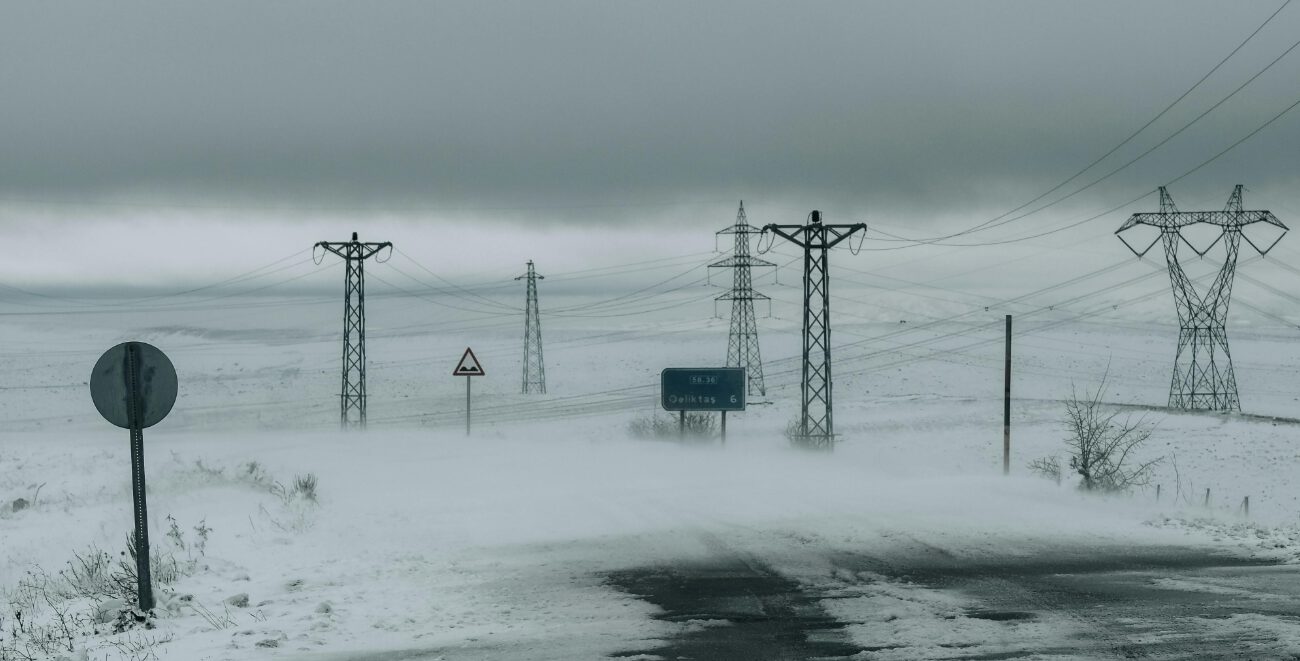
Nearly 900,000 customers lost power across Virginia, North Carolina, Georgia, and Alabama as ice accumulation toppled lines and trees. PJM Interconnection, managing the grid for 13 states, forecasted peak demand hitting 147,036 megawatts on January 27—potentially smashing the previous winter record of 143,336 MW set January 22, 2025.
“This is a formidable arctic cold front… we will be relying on our generation fleet to perform,” warned Mike Bryson Sr., PJM’s VP of Operations, as real-time prices spiked toward $1,200 per megawatt-hour before settling around $600 in the DC metro area.
The Data Center Reality Check
Northern Virginia’s hyperscale facilities turned a manageable winter peak into infrastructure chaos.
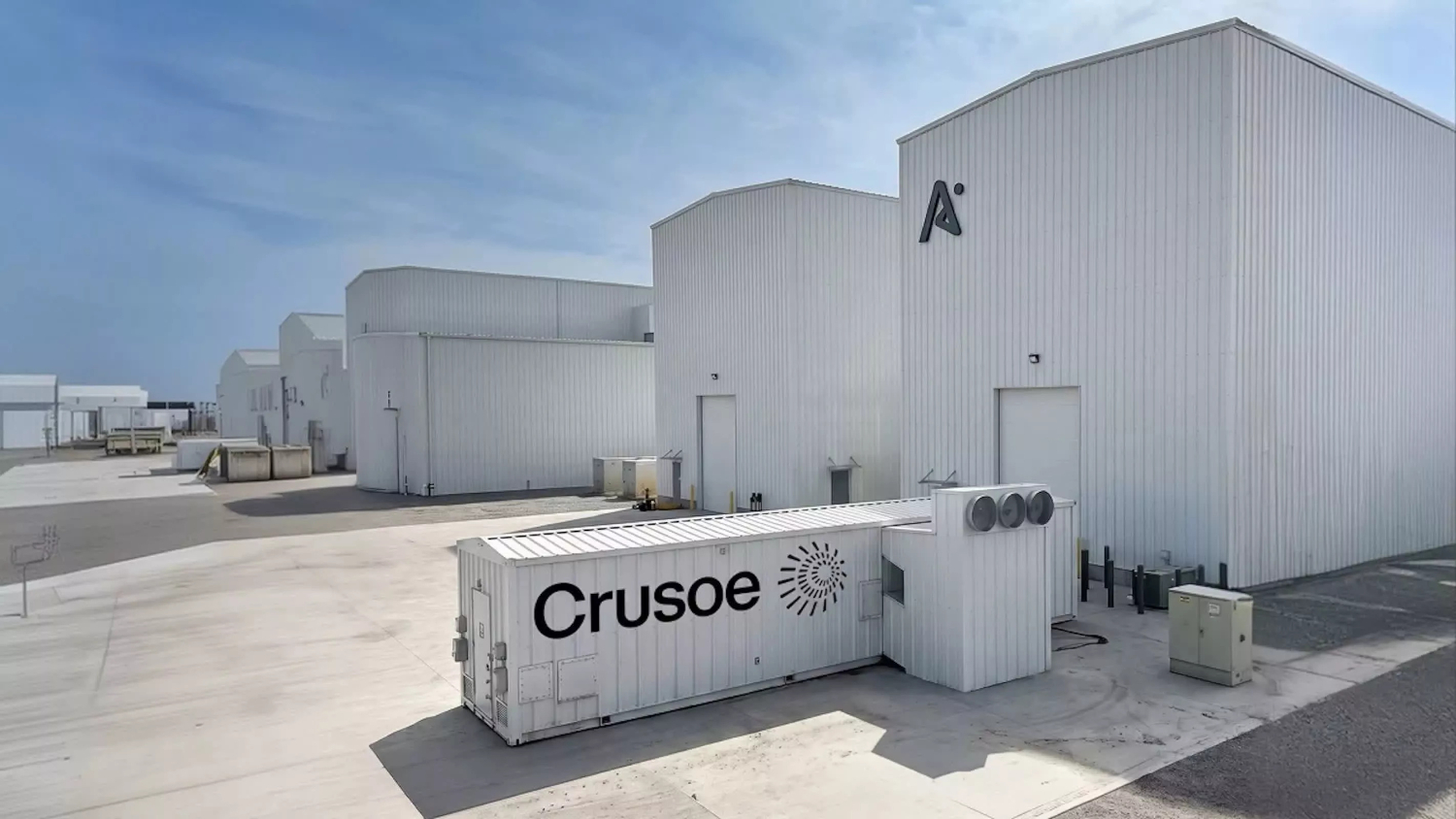
Northern Virginia’s hyperscale campuses—powering everything from AWS to Microsoft Azure—transformed what should have been a manageable winter peak into a grid-straining crisis. These facilities don’t hibernate during cold snaps like your air conditioner does in winter. Instead, they create a “structural shift” in demand patterns, layering constant digital loads onto traditional heating peaks.
The Department of Energy responded with emergency orders allowing PJM generators to bypass emissions limits—essentially telling power plants to burn whatever keeps the lights on.
Beyond the Storm
This crisis signals deeper infrastructure challenges as AI training demand accelerates nationwide.
Natural gas prices surged over 80% pre-storm, marking the largest historical jump according to Wood Mackenzie. The crisis echoed 2021’s Winter Storm Uri, which killed 246 people across Texas. Utilities like Duke Energy and Entergy prepositioned thousands of workers, but warned of multi-day restoration delays due to ice damage.
This isn’t just about one storm—it’s about infrastructure planning that assumed predictable seasonal patterns, not the always-on appetite of AI training and cloud computing. The storm exposed a fundamental mismatch between our digital ambitions and physical reality. As data centers continue expanding faster than transmission lines can follow, expect more moments when your power bill reflects the true cost of the AI revolution.