Your smartphone’s vibration motor needs dysprosium. Your Tesla’s drivetrain requires terbium. The AI servers processing your ChatGPT queries depend on rare earth magnets most people can’t pronounce. The Trump administration just dropped $1.6 billion to ensure America controls these invisible ingredients of modern tech.
Government Stakes Out Supply Chain Independence
The federal investment aims to break China’s stranglehold on critical materials powering everyday devices.
The investment in USA Rare Earth (USAR) breaks down as $277 million in direct Commerce Department funding plus a $1.3 billion CHIPS Act loan. In exchange, Uncle Sam gets 16.1 million shares and 17.6 million warrants—potentially a 16% ownership stake in a company building America’s first mine-to-magnet rare earth operation since China cornered the market decades ago.
“USA Rare Earth’s heavy critical minerals project is essential to restoring U.S. critical mineral independence,” Commerce Secretary Howard Lutnick said, emphasizing supply chains “free from foreign reliance.” Translation: no more begging Beijing for the materials that make iPhones vibrate.
Timeline Targets Tech Manufacturing Needs
USA Rare Earth’s facilities will process raw materials into finished magnets without Chinese involvement.
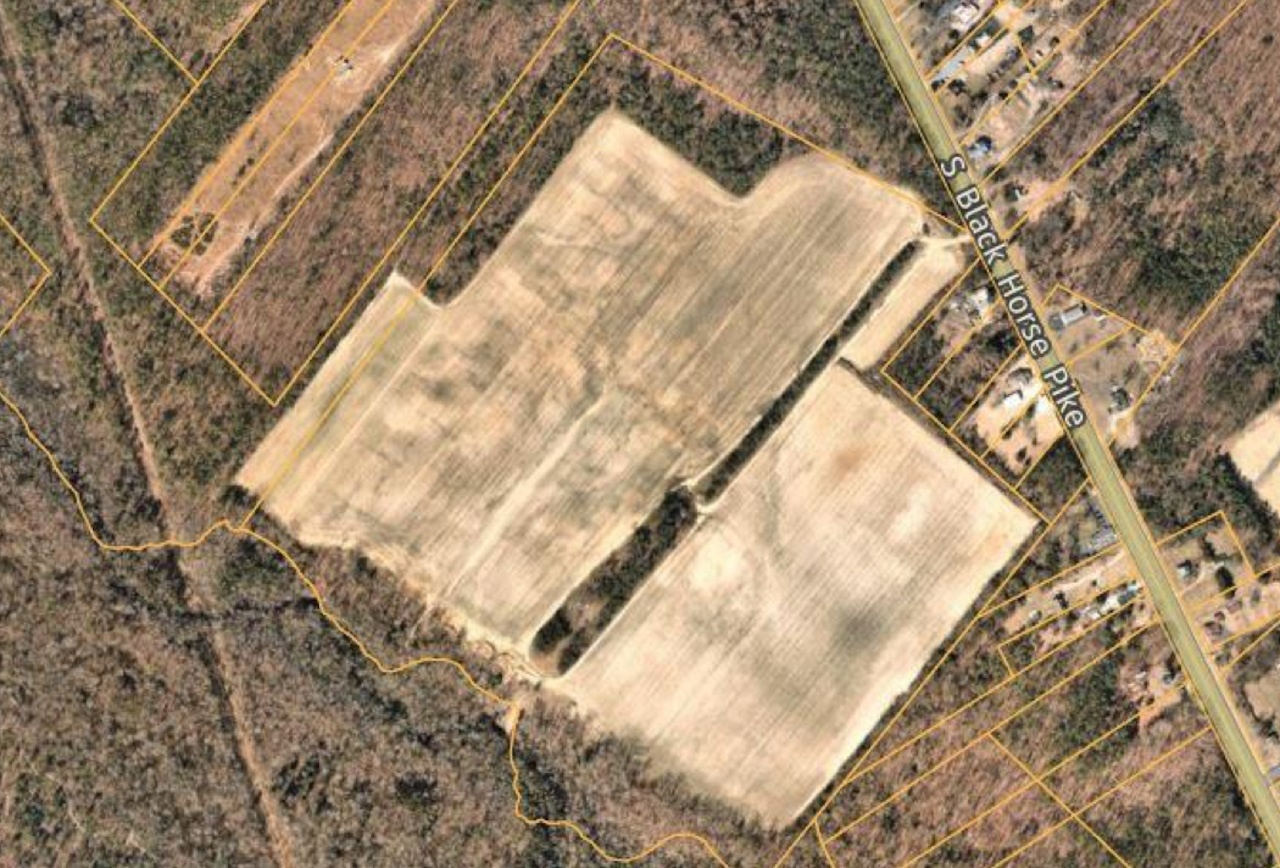
USAR’s Stillwater, Oklahoma magnet facility comes online in Q1 2026, followed by the Round Top mine in West Texas by 2028. This mine-to-magnet approach means raw dysprosium gets processed into the precise magnets Tesla needs—all without a single Chinese middleman. Every EV motor, wind turbine, and data center cooling fan depends on these magnets.
China currently controls 85% of global rare earth processing. This deal aims to break that stranglehold.
Markets Reward Supply Chain Patriotism
Investors are betting big on American mineral independence as rare earth stocks surge.
USAR stock jumped 6% to a $3.7 billion market cap on the announcement, capping a dramatic 2,921% one-year surge. Even competitor MP Materials gained 4% on spillover expectations. “Transformative,” called StoneX analyst Subash Chandra, noting this creates one of only two fully integrated Western Hemisphere rare earth operations.
The company simultaneously secured $1.5 billion in private equity, proving investors believe in reshoring critical supply chains. CEO Barbara Humpton emphasized advancing security across “semiconductors, defense, aerospace” through America’s first commercial-scale non-China rare earth pipeline.
More Deals Coming for Strategic Minerals
This investment signals a broader shift toward government ownership in critical technology supply chains.
This marks the administration’s 10th equity deal since Trump’s second term began—six targeting critical minerals. Names like NioCorp, Lithium Americas, and United States Antimony could be next. The government isn’t just subsidizing anymore; it’s becoming an active shareholder in America’s tech supply chain future.
Your next phone upgrade just became a little more American.