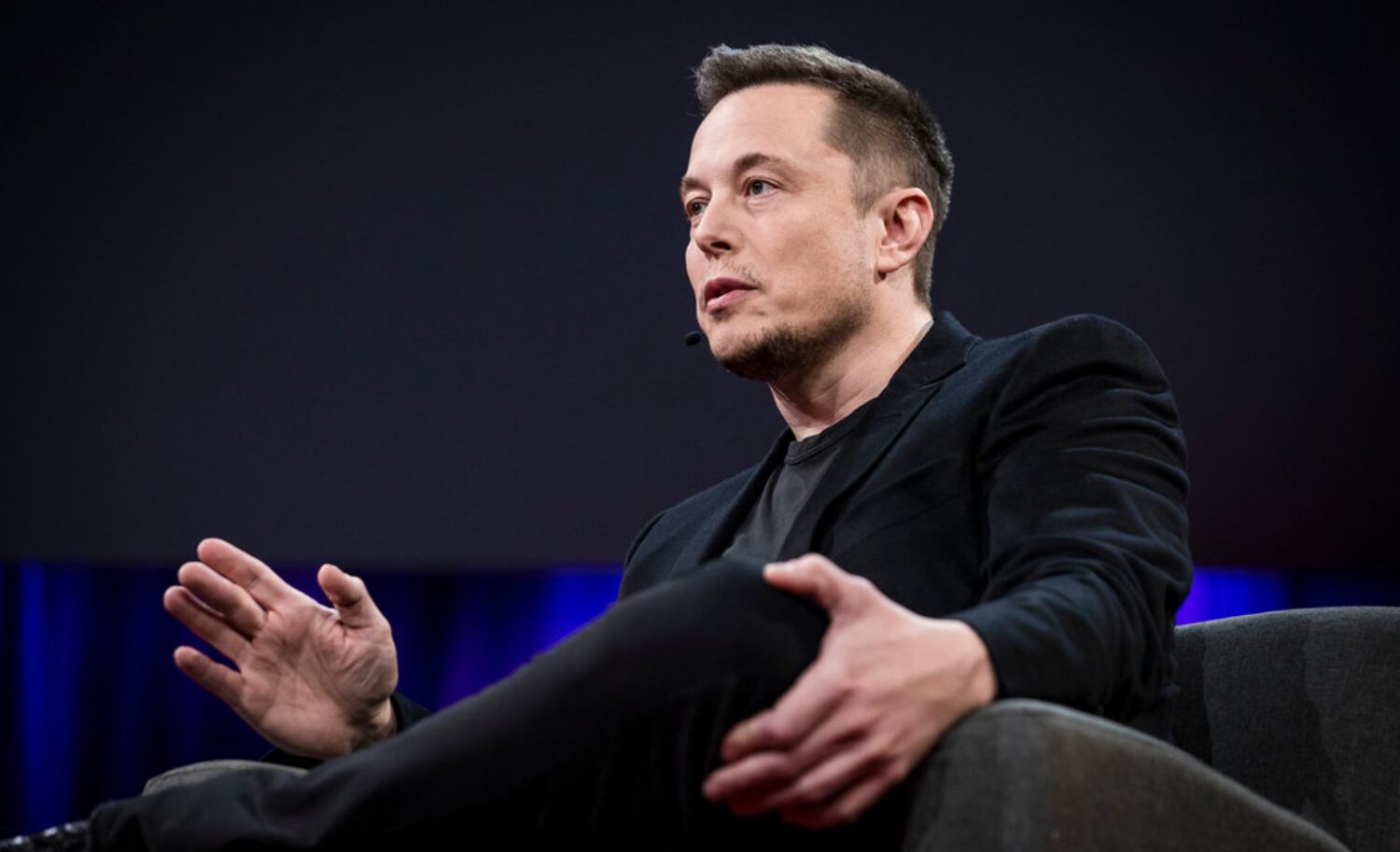
“Next year, I will give one of my SpaceX shares to every kid in America.” The statement preceded a broader proposal in which each child would receive two shares: one from SpaceX directly and one from Musk personally.
Reuters estimated the initial two-share proposal at roughly $18 billion. Musk’s personally held shares are subject to a lockup expiring in June of the following year, while SpaceX’s company shares were reported to transfer the month after the announcement.
What the Shares Are Worth
Private equity is not the same as a stock you can sell on a Tuesday morning.
SpaceX is privately held, which means there is no publicly quoted price and no exchange where recipients could sell. Transfers of privately held stock typically require company approval and occur through limited secondary markets, where liquidity is not guaranteed.
No verified reporting establishes whether recipients would hold voting or nonvoting shares, or some other form of beneficial interest. Custody arrangements for minors and the registration process remain unspecified in available public reporting. So does the tax treatment of private-stock transfers to children.
The Starmind Connection
One day before the giveaway announcement, the FCC authorized SpaceX to deploy up to one million satellites for an orbital data-center project.
The FCC issued its authorization on Nov. 25, 2026, approving SpaceX’s proposed Starmind constellation to process large volumes of data in orbit for use on Earth. The first authorized satellite is due by 2033, with the full constellation scheduled for deployment by 2040, according to the Associated Press.
Scientists expressed skepticism and alarm about the plan, AP reported. AP-cited concerns include satellite manufacturing at unprecedented scale, orbital congestion, power generation, heat dissipation, and the astronomical effects of a constellation that large.
The timing connects the giveaway announcement with a significant regulatory milestone, though available reporting does not establish that the FCC approval caused or financed the share pledge.
Broader Philanthropic Context
Musk’s pledge joins a pattern of tech-company equity commitments, though the structures differ significantly.
SpaceX President Gwynne Shotwell and her husband separately pledged a share for each of more than two million children through a Trump administration initiative, according to Reuters. The Musk Foundation, a major philanthropic vehicle associated with Musk, holds more than $14 billion in assets, Reuters reported.
Anthropic announced a commitment equivalent to 5% of its shares to a fund supporting public-benefit initiatives. Reuters valued that stake at approximately $75 billion to $100 billion at the time of reporting, based on possible Anthropic valuations of roughly $1.5 trillion to $2 trillion.
What Remains Unconfirmed
A pledge and an operational program are different things, and this remains the former.
No formal eligibility criteria, transfer mechanism, custody model, or valuation documentation for the annual share distribution has been identified in the cited public reporting. Available reporting confirms only that Musk made the statement publicly; structural details have not been released. Until that documentation exists, the recurring commitment should be treated as a reported pledge, not a functioning program.