The U.S. Trade Representative has proposed Section 301 tariffs on 14 economies, including China, India, Taiwan, and Vietnam, targeting the same countries Apple has relied on to reduce its dependence on Chinese manufacturing.
Apple’s Diversification Strategy Meets a Wall
The supply-chain plan Apple developed to manage U.S.-China trade friction now faces a direct complication from the new proposal.
Apple has expanded production across India, Vietnam, and Taiwan in recent years, distributing manufacturing risk beyond China. The U.S. Trade Representative’s new proposal targets several of those same economies.
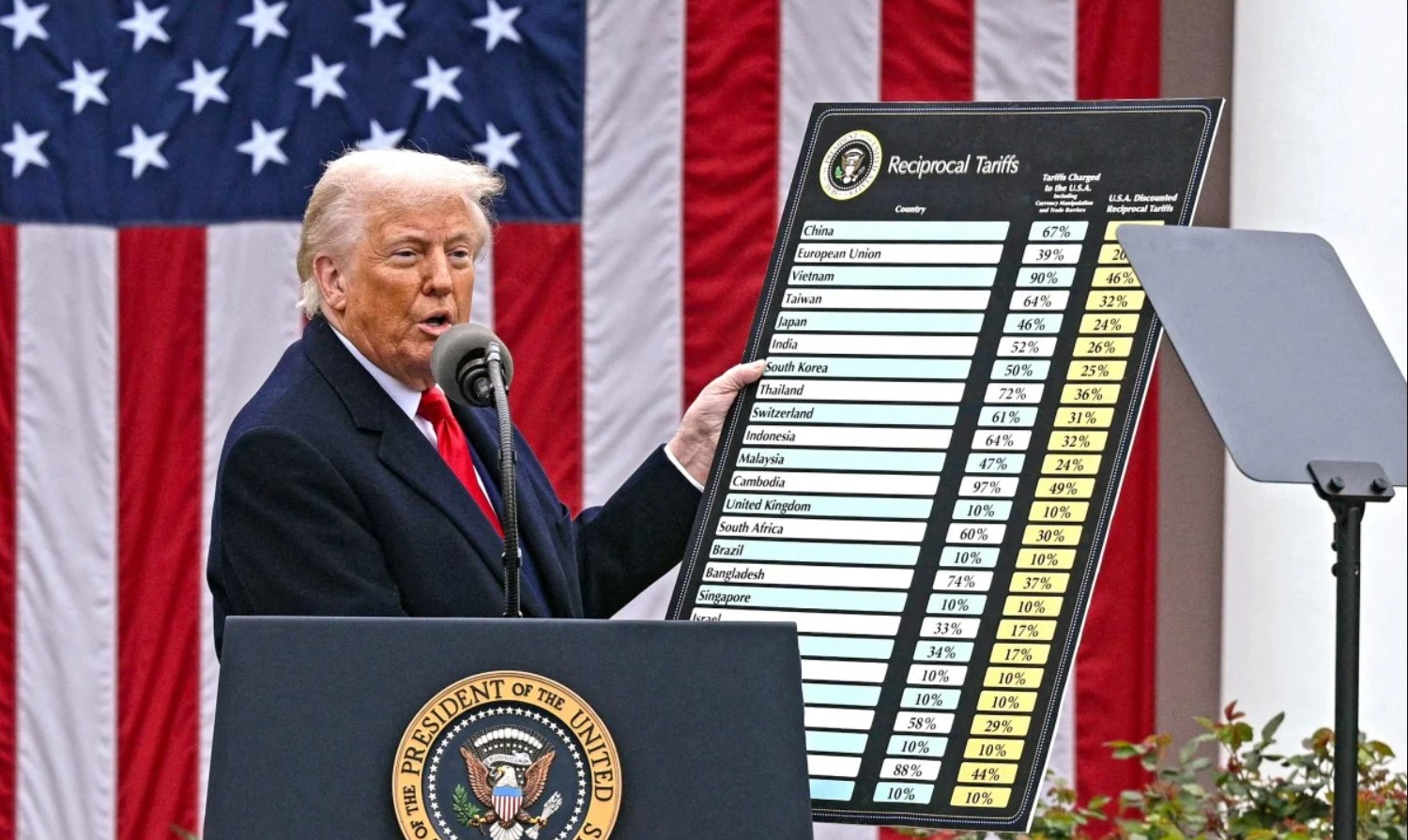
USTR announced proposed Section 301 tariffs on 14 economies, citing practices related to structural excess manufacturing capacity that burden U.S. commerce under Section 301 of the Trade Act of 1974, according to USTR.
What USTR Actually Proposed
Sixteen economies were initially investigated. Mexico and Norway were excluded from the final list, which includes China, India, Taiwan, Vietnam, the European Union, Japan, South Korea, and several other major trading partners.
These are proposals, not automatically effective duties. USTR’s process includes public comments and hearings, meaning final rates, covered products, exemptions, and effective dates remain subject to change.
The Proposed Rates
USTR described specific ceiling rates for each targeted economy, though several are qualified by existing duties, exemptions, or possible adjustments.
USTR proposed duties of up to 20% for China, up to 25% for India, up to 15% for Taiwan, and up to 35% for Vietnam. For China, Reuters reported the new rate could stack on top of approximately 25% in earlier duties already in place. The exact combined burden depends on the product, applicable tariff authority, and final implementation rules.
Why Apple’s Exposure Is Unusually Wide
Apple’s documented supplier activity spans several of the targeted economies, leaving the company exposed across multiple fronts simultaneously.
China remains a major manufacturing base for Apple, India has grown as an iPhone assembly location, and Taiwan is central to the global semiconductor and electronics ecosystem. Vietnam and other Southeast Asian countries also participate in Apple’s broader supplier network.
A tariff is paid by the importer of record, so the immediate cost falls on whoever brings the goods into the United States. Apple could absorb that cost, renegotiate with suppliers, shift sourcing, or adjust consumer prices. No Apple pricing decision has been confirmed in any available reporting.
Moving Production Is Not a Quick Fix
Relocating manufacturing is slow and expensive, and shifting final assembly may not eliminate tariff exposure if key components still originate in targeted economies.
Relocating final assembly requires qualified local suppliers, trained labor, new tooling, and regulatory compliance at scale. Supply-chain experts and manufacturing evidence suggest this kind of transition takes years rather than quarters, though timelines vary by product and facility readiness.
Components inside an iPhone, including displays, chips, camera modules, and batteries, often originate in targeted economies regardless of where final assembly occurs. Tariff exposure depends significantly on rules of origin and product classifications, not only on where a device is assembled.
Planning Uncertainty Compounds the Problem
Because proposed rates, exemptions, and interactions with existing duties remain under review, Apple and its suppliers face a shifting set of variables before any final rules take effect. That uncertainty carries planning costs independent of whatever duties eventually apply.
The proposal also creates a structural tension for U.S. trade policy. Section 301 action is intended to address foreign practices USTR finds unreasonable and harmful to U.S. commerce, but Apple’s international supply network would likely be difficult and time-consuming to reconstitute domestically. Near-term cost pressure or supply-chain disruption may precede any domestic manufacturing benefit, though the final outcome depends on which rates take effect and how Apple and its suppliers respond.