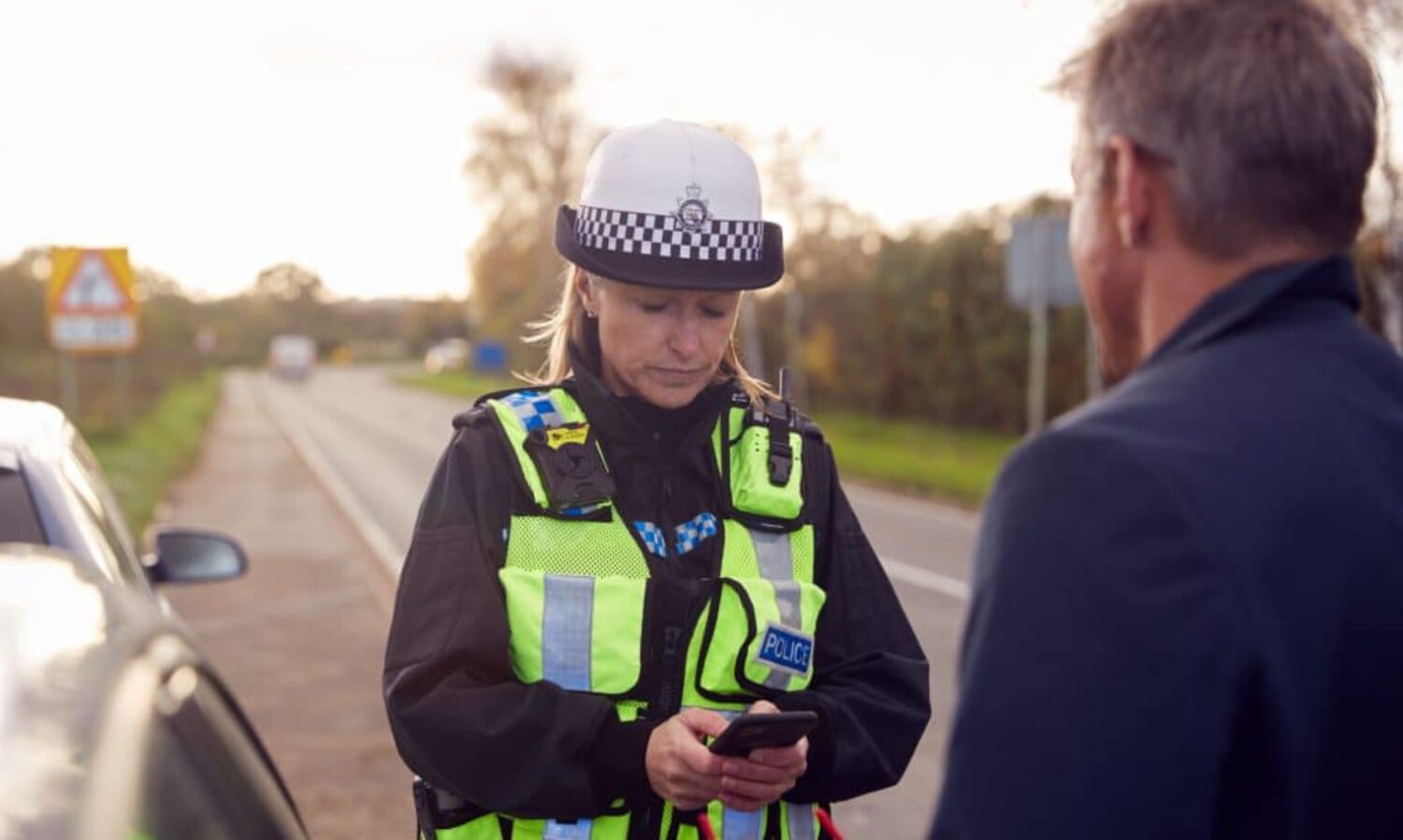
A Metropolitan Police officer can now photograph a person on the street and receive a facial recognition result within seconds. Starting November 17, 2026, 100 trained officers can submit an image taken on a Met-issued phone for an immediate search against the force’s custody database of approximately one million images. This kind of covert digital monitoring has raised concerns elsewhere too, as seen when US operatives built a surveillance app to target political groups without consent.
When Officers Can Use It
The trigger is a refused or suspected false identity, not general suspicion.
Officers must first consider less intrusive ways of establishing someone’s identity before using the phone. The reported conditions involve an unknown person suspected of a recordable offence who refuses to give details or appears to provide false information, or someone already arrested or detained.
Consent and Legal Powers
Officers must inform a person before taking the photograph, but cooperation is not always required.
A predefined confidence threshold filters out low-confidence partial matches automatically before any officer review; every candidate match that clears that threshold is then reviewed by a trained officer before any action follows. The pilot creates no new legal power to compel cooperation, and officers are not expected to use force if someone covers their face.
What the Technology Can and Cannot Do
A controlled test returned a perfect match rate; street conditions present a different challenge.
The system runs on NEC NeoFace V4. A National Physical Laboratory study tested it against a database of 178,400 images and found the correct person appeared as the top match for every probe image tested. Those results came from controlled conditions on a database considerably smaller than the Met’s operational one. The study also found that glasses reflections and shadows over the eyes could cause some searches to return no result when a threshold was applied, meaning the NPL figure should not be treated as a full measure of real-world accuracy.
Civil-Liberties Concerns
Big Brother Watch warns the tool could turn people into walking ID cards.
The campaign group said handheld facial recognition permits intrusive face scans without meaningful consent. It cited reported data from South Wales in which Black and Asian people accounted for nearly a quarter of handheld facial recognition uses while representing roughly 7% of the population. That comparison describes a reported pattern from a different force and does not predict outcomes for the Met’s pilot.
The Oversight Gap
The regulator reviewed Met facial recognition practices before this system existed on paper.
The Information Commissioner’s Office completed a data-protection audit of Met facial recognition, but OIFR was not operational and no finalised governance documents were available when that review took place. The audit could not assess the phone system specifically, and it produced 29 recommendations covering broader facial recognition governance. Existing legal requirements for police facial recognition are spread across multiple rules rather than a single statutory framework, and dedicated legislation with an independent watchdog has been promised but does not yet exist. Similar oversight gaps have emerged around apps secretly tracking users without adequate accountability.
What Happens After the Pilot
Transparency about results will determine whether the trial’s commitments hold.
The Met says it will monitor accuracy, performance, usage, and evidence of disproportionality across the six months. It has not confirmed whether all resulting statistics will be publicly released. After the pilot, the force plans to consider searching an additional database called the Unsolved Crime Cache, which would extend the system’s scope further.