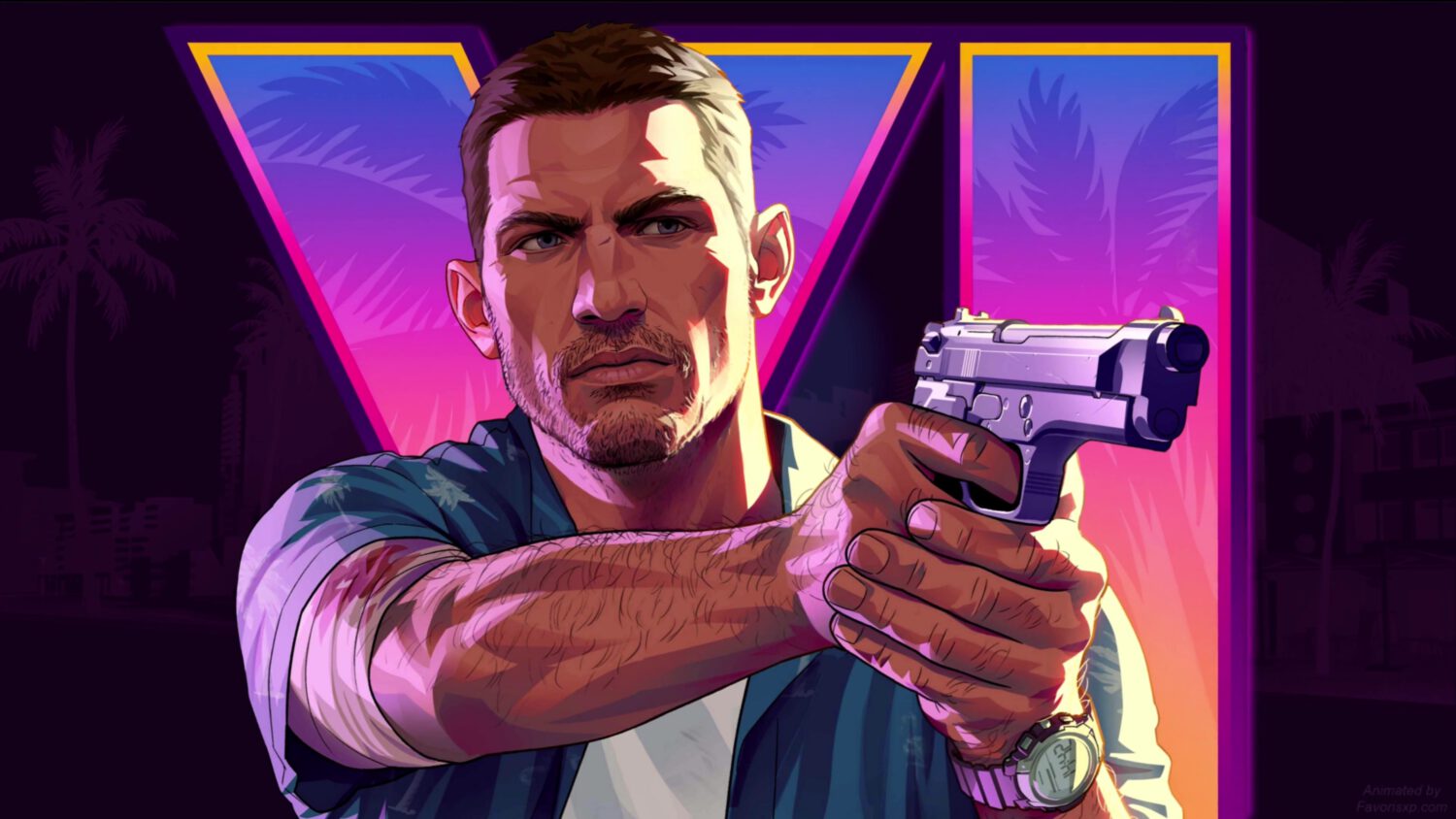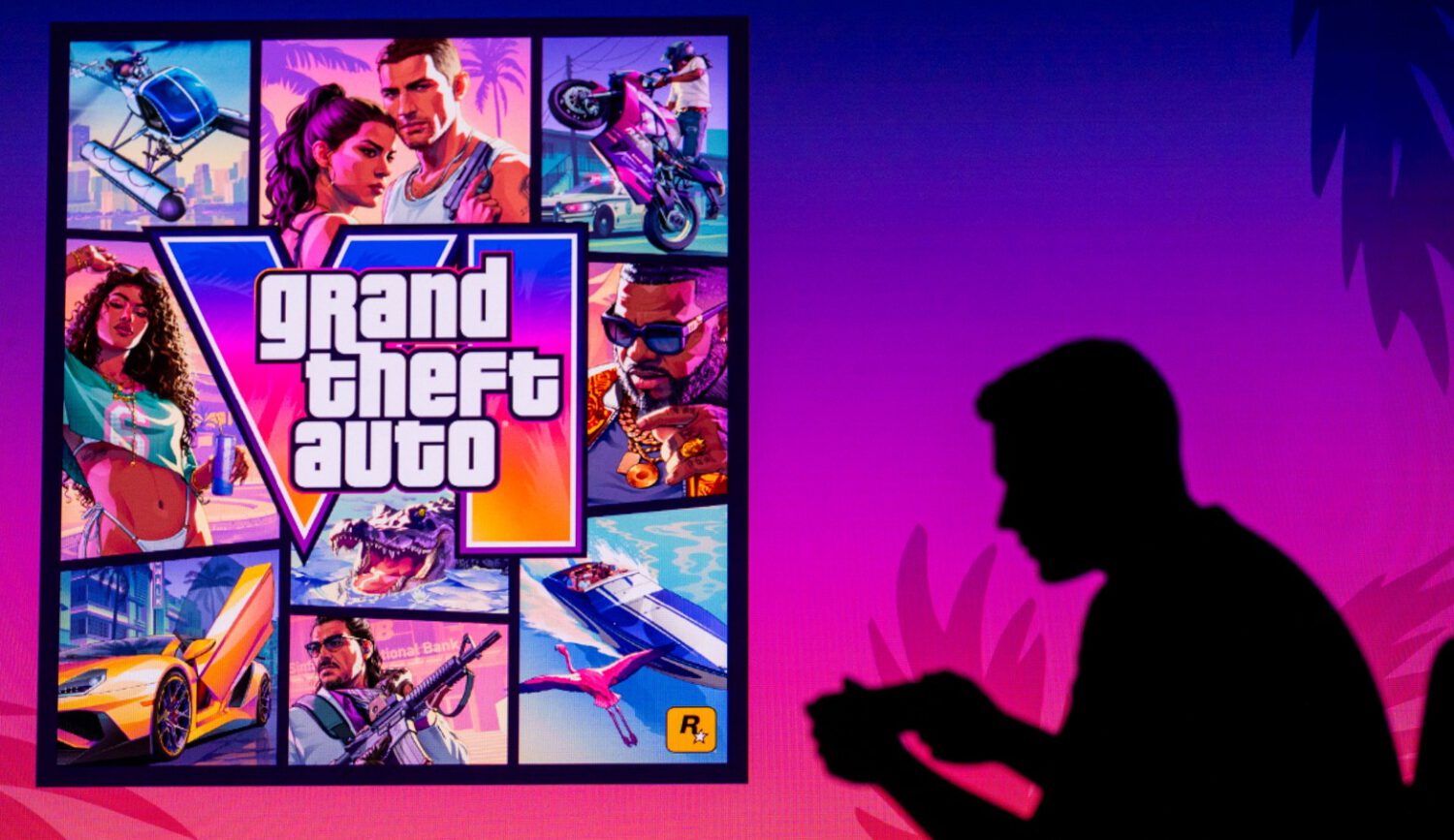
PlayStation announced on November 10 that players could pre-load Grand Theft Auto VI on PS5, nine days ahead of the November 19 launch. The pitch was straightforward: download now, play the moment it goes live.
What the announcement did not emphasize is that Sony’s PlayStation Store cancellation policy treats pre-loading as downloading. Under that policy, the standard cancellation window closes once a download begins, which means some buyers may have lost ordinary refund eligibility before they touched the game.
What the Policy Actually Says
Sony’s cancellation terms are specific, and pre-loading falls squarely inside them.
Sony’s published cancellation policy permits refunds within 14 days of purchase, provided the customer has not started downloading or streaming the content. The policy explicitly names pre-loading as an action that counts toward that threshold for digital pre-orders.
A buyer who pre-loaded on November 10 would have crossed the policy’s threshold before the game unlocked on November 19. That happened before any gameplay was possible.
Sony’s policy also warns that automatic-download settings can trigger a download without the buyer manually initiating it. A customer who believed they had avoided the pre-load trigger may have lost standard cancellation eligibility without realizing it.
Complaints Are Real; Confirmed Defects Are Not
Reported performance problems drove refund requests, but denial volume and defect status remain unconfirmed.
Reported dissatisfaction includes performance issues, glitches, and unmet expectations about video games. What the available reporting does not establish is how many refund requests were filed, how many were denied, or whether GTA VI has been formally determined to be a faulty product under Sony’s terms.
That distinction matters. Disappointment with a game, or even a noticeable frame rate problem, does not automatically qualify as a defect under Sony’s cancellation framework.
A License, Not a Disc
Digital purchases grant access under platform terms and do not function like a returnable physical product.
A digital purchase is not equivalent to a sealed physical disc that can be returned unopened. It is a license, governed by storefront terms, that becomes conditional once the download starts.
Describing denied refunds as proof that players own nothing overstates any legal conclusion. The more accurate framing is revocable access under a continuing contract, though the precise legal characterization can vary by jurisdiction.
Where Options Still Exist
A denied standard refund is not necessarily the end of the matter.
Sony’s policy preserves an exception for content that is demonstrably faulty. It also states that the policy does not limit rights provided by applicable local law, which in some jurisdictions extends consumer protections beyond what the platform’s standard terms offer.
Buyers pursuing a refund through PlayStation Support will need their Online ID, sign-in ID, and purchase details. Those documenting a technical defect should describe specific problems rather than general dissatisfaction, and retain screenshots, error messages, and support correspondence.
Bigger Than One Title
The gap between “I paid for this” and “I can return this” is a structural feature of digital storefronts, not a GTA VI-specific problem.
Pre-orders and account-based activation have become common across major releases. Each step in that process can narrow a buyer’s options before the game has been meaningfully used, leaving consumers paying too much for access they cannot recover.
GTA VI brought that tension into sharp focus. The underlying conditions, however, are not unique to this title and are likely to surface with future large releases.