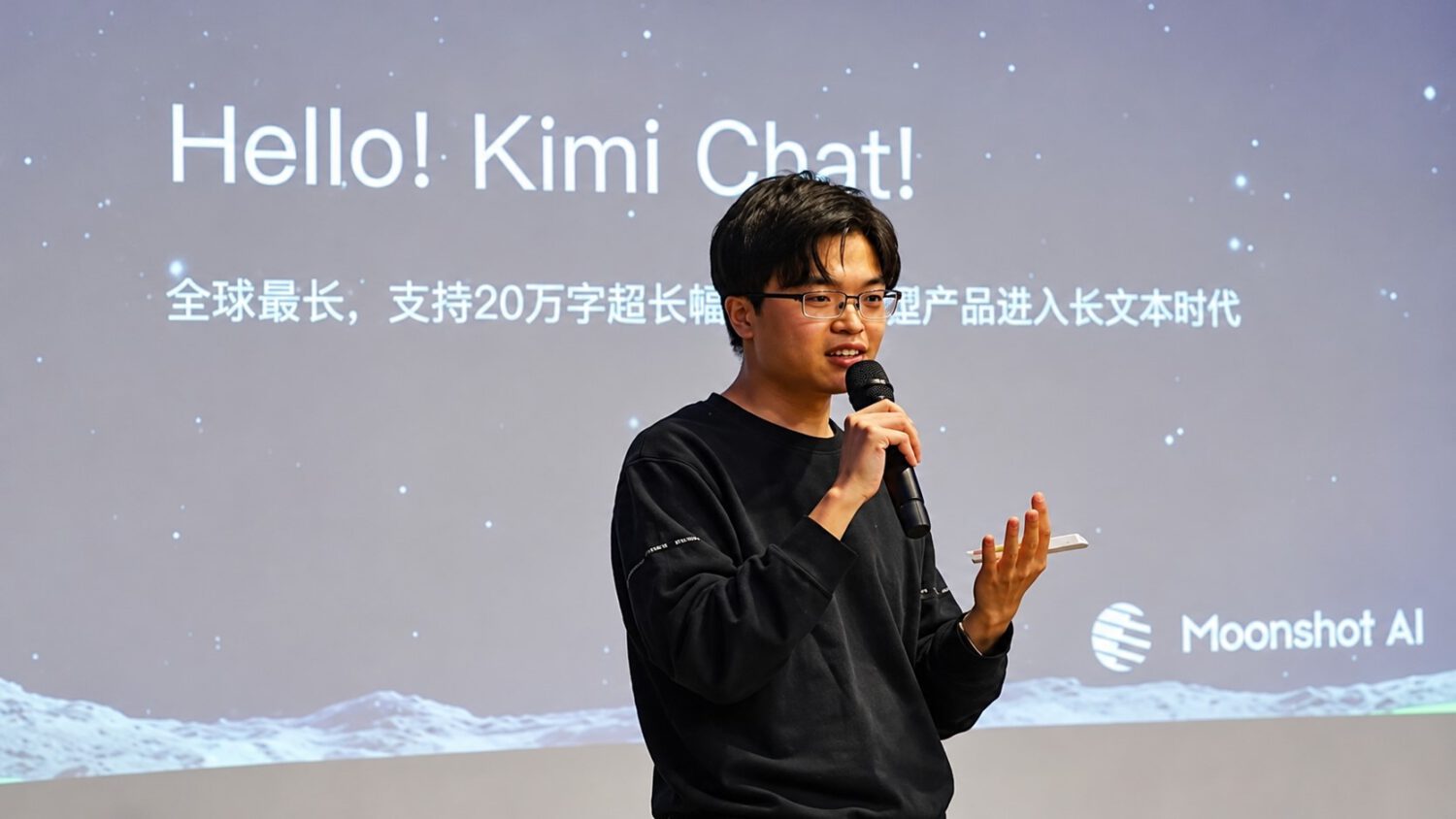
Renting computing power from across a border seemed like a clean workaround. Then the U.S. closed the door. Moonshot AI, the Beijing-based company behind the Kimi large language model family, reportedly scrapped a $150 million agreement to rent Nvidia Blackwell Ultra B300 GPU capacity from an unnamed Southeast Asian neocloud operating an Indonesian data centers, according to reporting by The Information.
Why the Structure Existed in the First Place
The deal was designed as a rental, not a purchase, because direct chip sales to Chinese companies face strict U.S. licensing requirements.
The reported arrangement was a remote-access rental, not a direct chip purchase. Blackwell-generation accelerators fall under U.S. export controls, and Chinese companies generally cannot acquire them without authorization.
Remote access offered a potential path around that constraint: the hardware stays outside China, but the computing power flows in over a network connection.
The Rule That Ended It
The U.S. Bureau of Industry and Security issued a regulation that explicitly targets remote computing arrangements of this kind.
The U.S. Bureau of Industry and Security issued a new regulation specifically targeting this structure. It requires export licenses for advanced-chip shipments to data centers in Indonesia, Malaysia, Singapore, Thailand, and Brazil. The U.S. identifies each country as presenting elevated diversion risk.
The rule also extends the licensing requirement beyond physical shipments. Overseas facilities that provide substantial computing capacity to China-headquartered companies may need U.S. approval to continue those services.
Prior Scrutiny on Moonshot
The canceled deal did not emerge from a clean regulatory history for the company.
A White House official reportedly accused Moonshot in July 2026 of using Blackwell GPU capacity in Thailand in violation of U.S. export restrictions. That allegation has not been independently substantiated, and the official was not identified by name in available reporting.
A Replacement Deal, With the Same Underlying Problem
Moonshot has reportedly lined up a new provider, but changing vendors may not eliminate the compliance exposure.
Moonshot has reportedly signed a new agreement with a different Southeast Asian cloud provider, according to The Information via secondary coverage. B300-based services are expected to begin in 2027, though the provider, the country, and the GPU count remain undisclosed.
Switching vendors or jurisdictions may not resolve the regulatory risk. If the new arrangement still gives a China-headquartered company substantial remote access to controlled chips, it falls within the same scope the BIS rule was written to cover.
The Compliance Burden Lands on Southeast Asian Providers
Neoclouds across the region now face a difficult choice between Chinese AI revenue and U.S. licensing exposure.
Neoclouds and data-center operators across the region now carry a heavier compliance load. They may need to screen customers, assess corporate headquarters, and determine whether their facilities exceed the computing thresholds that trigger licensing requirements. Operators must also verify that workload arrangements do not place them in violation of government health, financial, and legal data provisions.
For providers trying to monetize scarce Blackwell capacity, that creates a direct tension between filling racks and staying clear of U.S. enforcement.
What Chinese AI Firms Do Next
The episode could accelerate a broader strategic shift in how Chinese AI companies pursue access to frontier computing.
The Moonshot episode may signal a turning point for Chinese AI companies dependent on advanced compute. Plausible responses include domestic accelerator alternatives, less capable hardware, or partnership structures built from the start to satisfy U.S. licensing conditions.
The U.S. rule makes clear that geography alone is no longer a sufficient buffer. Chinese AI firms can no longer rely on cross-border rentals as a reliable path to the chips required to train competitive models.