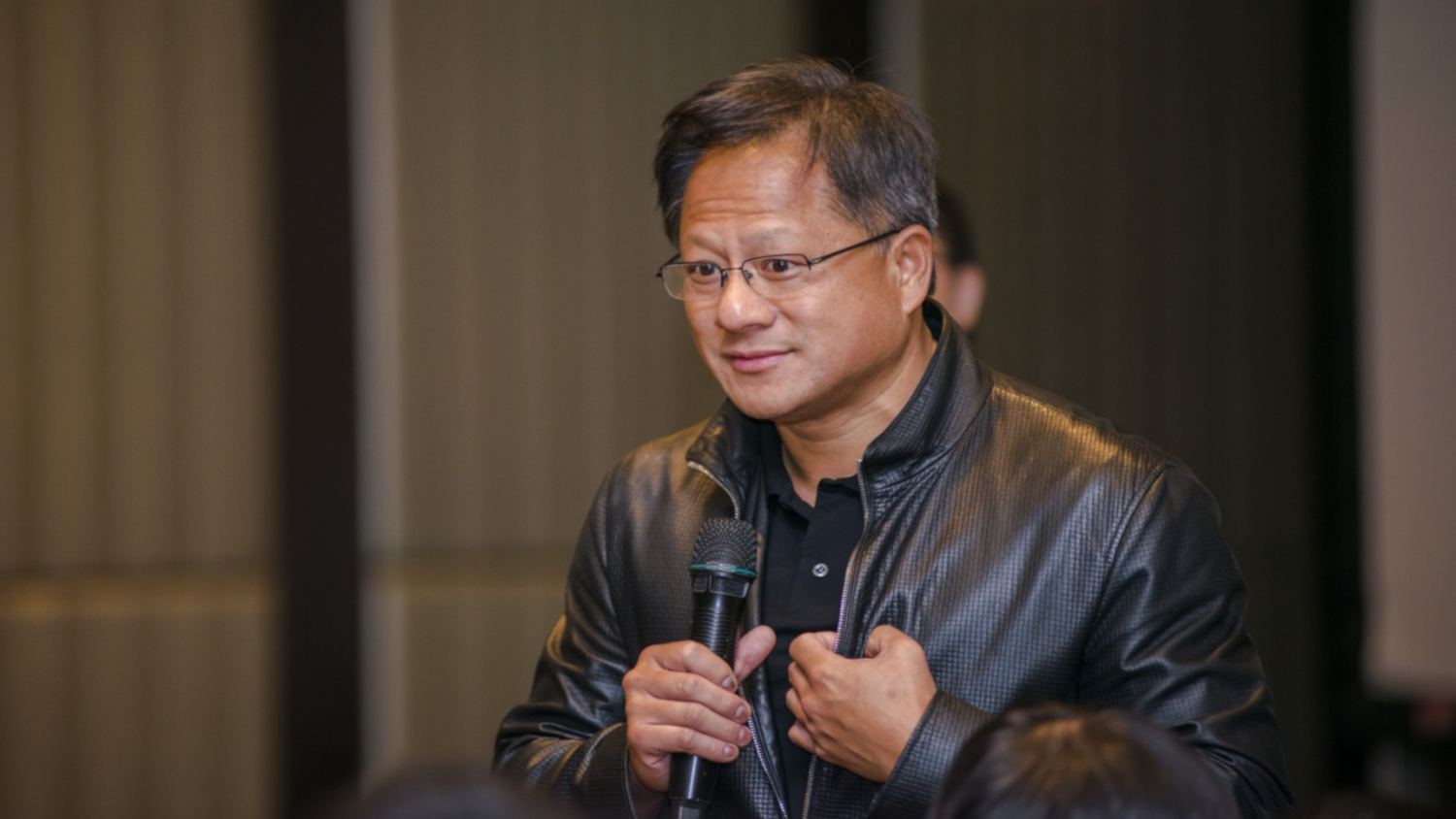
Jensen Huang said he would be “honored” to return as NVIDIA‘s chief executive if the board determined that doing so served shareholders, employees, the company, and the United States. The statement, posted to his account on X, was his first public response since resigning as CEO and board chair on November 12.
Huang acknowledged making serious personal mistakes, said he had created problems for the board, and pledged full cooperation with its independent investigation. He framed a potential return explicitly as a decision for the board to make, not one he was claiming for himself.
What the Board Is Reportedly Doing
BBC reporting says NVIDIA’s board is not considering reinstatement, which puts Huang’s statement in a different light.
According to BBC reporting, NVIDIA’s board is not considering reinstating Huang, despite pressure from political, business, and technology figures. That reported position makes the statement look less like a comeback announcement and more like an attempt to shape the board’s deliberations and the broader public conversation.
CFO Colette Kress was named interim CEO following Huang’s departure. No primary board statement confirming a permanent succession plan has been made public.
The Federal Investigation
The Megaspeed probe sits at the center of the national-security scrutiny surrounding NVIDIA.
The Commerce and Justice departments said the U.S. began investigating Megaspeed, a Singapore-based cloud-computing company, in 2024 over potential export-control violations and possible semiconductor diversion. Commerce investigators requested records from NVIDIA in May 2025 concerning direct or indirect sales to Megaspeed.
NVIDIA placed Megaspeed on its “no sell” list in June 2025. That same month, U.S. and Singaporean officials conducted an on-site check that included an interview with Alice Huang, a former Megaspeed executive. Alice Huang is not related to Jensen Huang, according to reporting, though no primary source in the available record formally establishes that point.
The Justice Department later assumed the criminal lead in the investigation. The available material does not establish that NVIDIA knowingly violated export restrictions, and those questions remain open.
Congressional Testimony
Three House committees have scheduled closed-door sessions with Huang and NVIDIA’s general counsel in December.
Huang is scheduled for a closed-door, transcribed interview on December 1 before the House Foreign Affairs Committee, the Select Committee on the Chinese Communist Party, and the House Intelligence Committee. NVIDIA General Counsel Tim Teter is expected to appear the following day.
Committee chairs said they want answers about NVIDIA’s role in allowing advanced chips to potentially reach dangerous Chinese actors, and about allegations involving a possible Chinese intelligence asset. Those allegations remain under investigation and have not been established as fact.
NVIDIA’s Governance Response
The board has created a new oversight committee as federal and congressional scrutiny continues.
The board announced a national-security and export-control oversight committee covering export compliance, national-security policy, and global trade risk management. The committee’s stated purpose is institutional oversight; its broader effect on regulatory and customer confidence remains to be seen.
The Board’s Competing Pressures
The board must weigh NVIDIA’s operational stability against the need to show independence during active investigations.
NVIDIA sits at the center of the global AI-chip market, and any succession decision carries unusual weight given Huang’s prominence in shaping the company’s strategy. His return could reassure stakeholders who closely associate him with NVIDIA’s direction.
At the same time, reinstating him during active federal and congressional scrutiny would test the board’s ability to demonstrate independence. Whether Huang returns, whether the board approves reinstatement, and whether NVIDIA bears legal exposure for the Megaspeed chip transfers all remain unresolved. That is analysis of the competing pressures the board faces, not a confirmed policy direction.