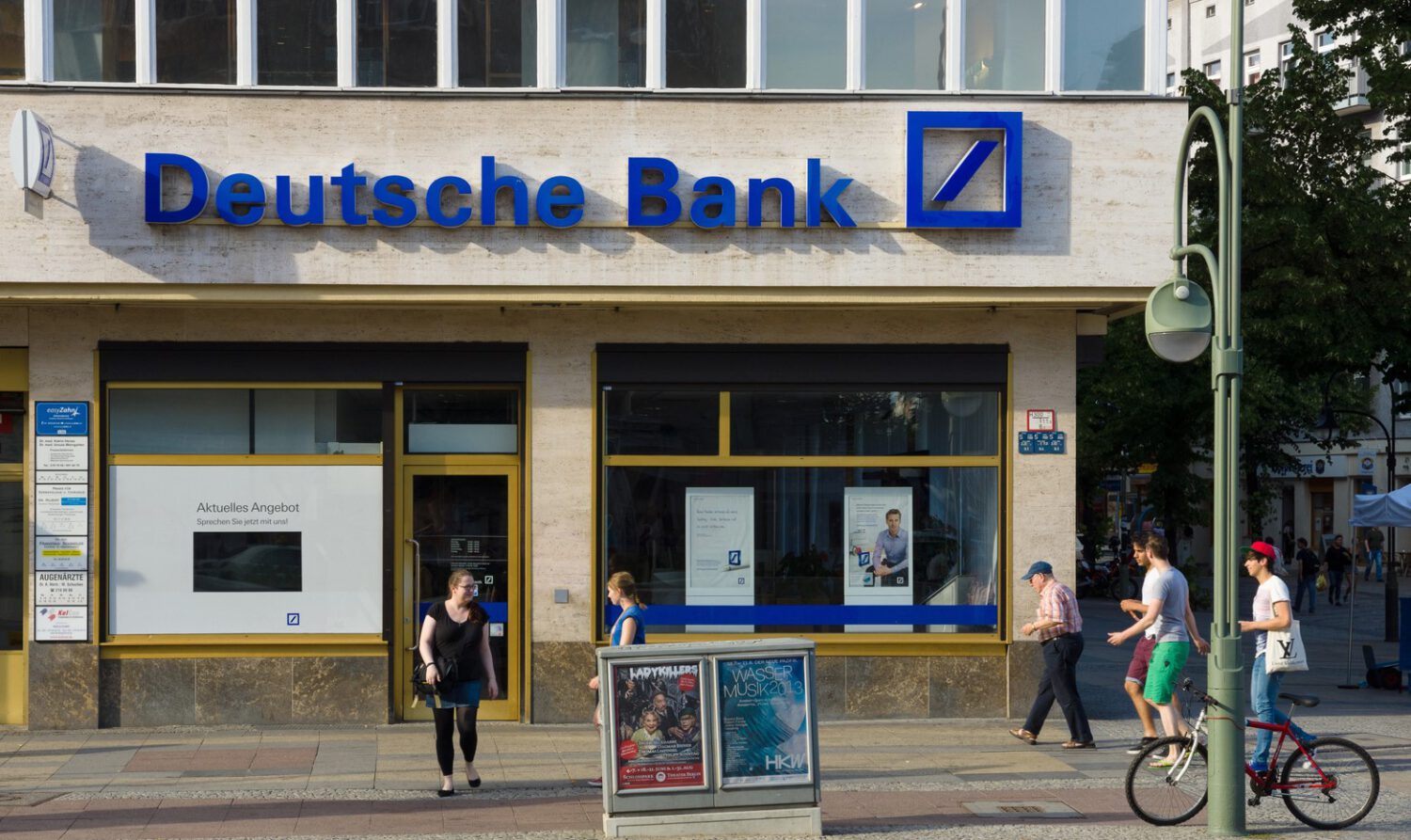
A leaked cache of roughly 15 million Deutsche Bank internal documents reveals the bank flagged approximately $582 million in suspicious transactions linked to Jeffrey Epstein and related entities, according to Financial Times reporting based on those files. That figure is more than double the roughly $250 million identified in an earlier U.S. Senate investigation.
An international consortium of more than 200 journalists, including reporters from the Financial Times and New York Times, reviewed the leaked files. Their reporting attributes the $582 million total to suspicious-activity reports Deutsche Bank filed with U.S. authorities, covering thousands of transactions connected to Epstein and his businesses.
What “Suspicious” Actually Means Here
A suspicious-activity report is a filing banks submit to relevant authorities, not proof of criminal conduct.
These reports flag transactions for regulatory review. They do not establish that every dollar involved was criminal proceeds, and their existence does not prove that every named party knew about or participated in Epstein’s crimes.
The flagged activity reportedly included payments to women, transfers involving shell companies, suspected misuse of charitable contributions, and transactions connected to associates including Leon Black and Glenn Dubin. Their names appear in the filings as associates whose transactions were flagged; that attribution is the full extent of what the reporting establishes about them.
Five Years of a High-Risk Client
Deutsche Bank brought Epstein on as a client in 2013 and did not end the relationship until 2018, as scrutiny of his alleged sexual abuse intensified.
The bank classified Epstein as high risk and subjected him to enhanced due diligence. Despite that designation, earlier regulatory findings concluded the bank failed to adequately monitor or prevent suspicious transactions connected to him.
The Penalties Already on the Books
Deutsche Bank has faced approximately $225 million in combined penalties and settlements tied to its Epstein dealings.
That total includes a $150 million regulatory penalty imposed by New York authorities in 2020, a consent order that also covered separate correspondent-bank compliance failures related to financial and legal oversight requirements. The remaining amount reflects a reported 2023 settlement with Epstein victims.
The bank said the matters under scrutiny date back years, in some cases decades, and that it reviewed the relevant issues at the time. It has since cooperated with regulators and invested in stronger compliance controls. The bank has previously expressed regret over the relationship.
A Revenue Relationship That Underperformed
Reporting based on the leaked files indicates the account generated far less than the bank had anticipated.
Between 2015 and 2018, Deutsche Bank earned roughly $1 million annually from Epstein’s wealth-management account, according to that reporting. The bank had expected the relationship to generate between $2 million and $4 million per year.
That gap leaves open whether commercial incentives to retain the account shaped how aggressively the bank acted on its own filings, even as compliance concerns mounted.
Investors Take Notice
The disclosures contributed to a sharp decline in Deutsche Bank shares, according to CNBC.
Investors are weighing what the broader leak reveals about the bank’s risk management, financial-crime controls, and governance record.
Regulatory reporting indicates the bank treated Epstein as high risk throughout the relationship. The question the reporting leaves open is what the bank chose to do, and not do, with that knowledge over five years.