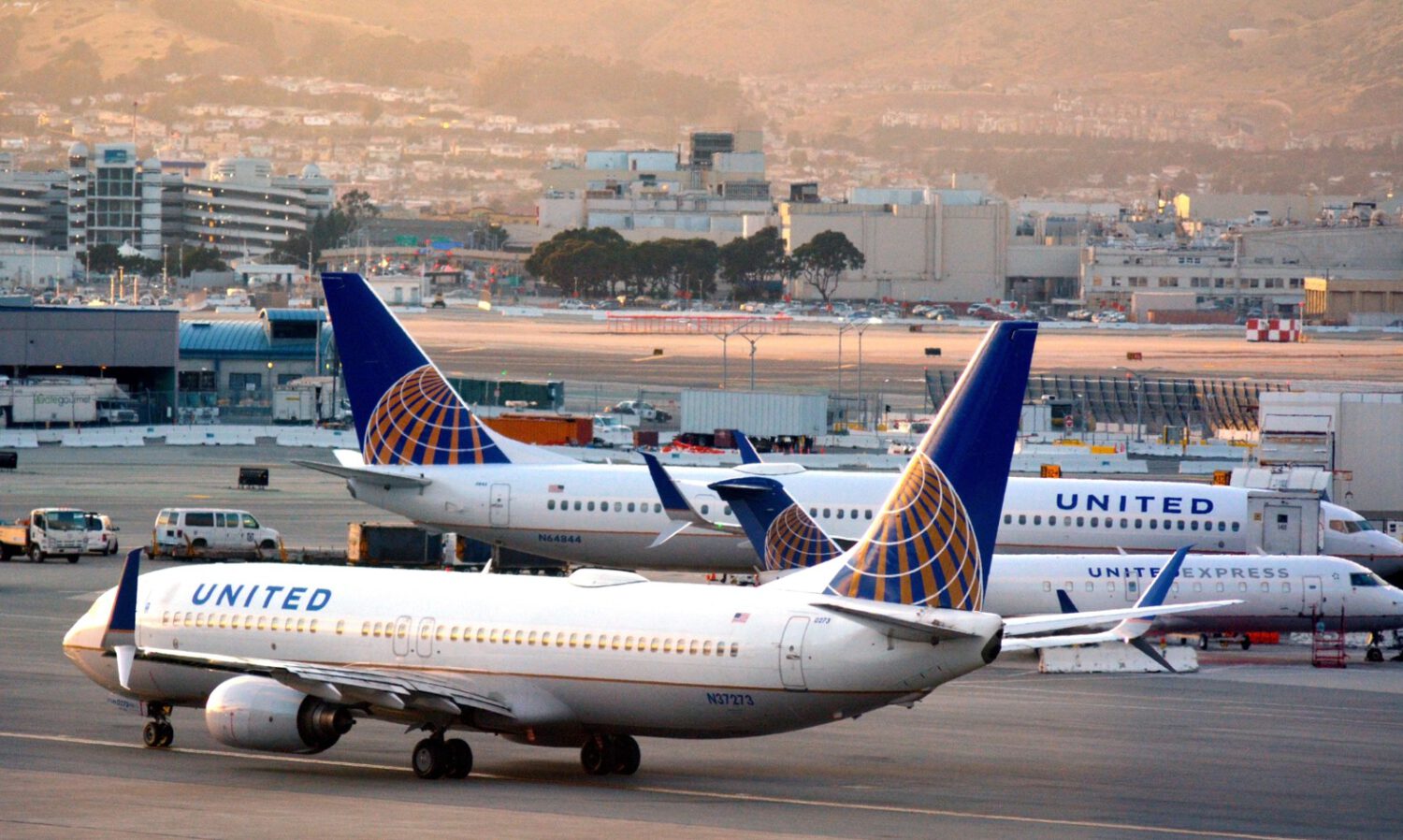
Your AI assistant can still find a fare to Denver. It just cannot buy the ticket, at least not through United. United Airlines is updating its booking, ticketing, and distribution policies to prohibit unauthorized third-party AI agents from completing transactions or accessing customer accounts. The restriction applies across its digital platforms and through partner travel agencies and aggregators.
The policy covers purchasing tickets, managing reservations, applying loyalty points, and handling account changes. United stated that “sharing account credentials with personal, third-party, AI assistants can expose sensitive information, and actions taken by these tools may result in unintended purchases, account changes, or use of MileagePlus miles,” according to CBS News.
Fare Search Stays Open
Travelers can still compare United fares through established aggregators, even as autonomous purchasing is off the table.
Searching for United flights through Google Flights, Kayak, or Hopper is expected to remain available. The restriction draws a specific line between fare discovery and autonomous purchasing or account access.
United has also indicated it will honor reservations that an AI agent completed on a customer’s behalf before the policy took effect, according to Travel Weekly.
A Regulatory Problem With Check-In
Automated check-in creates a compliance problem that United is not willing to absorb.
FAA and DOT requirements call for travelers to personally acknowledge that checked luggage contains no prohibited materials, including explosives. United cited that regulatory risk explicitly in its policy rationale, according to CBS News and USA TODAY, noting that an AI completing check-in autonomously raises questions about who actually made that acknowledgment.
Control Over the Booking Relationship
United’s move reflects a broader calculation about how much distance the airline is willing to put between itself and its customers.
Aviation analyst Henry Harteveldt of Atmosphere Research Group noted the trade-off plainly: “But by blocking the AI bots, United won’t make it any easier to find its fares, either,” according to CBS News.
An unrestricted AI agent capable of completing purchases represents another intermediary layer between the airline and its customers. United appears unwilling to accommodate that layer without defined terms.
Automated searches that never convert to purchases also create additional technology and distribution costs for airlines. That concern adds a financial dimension to what United frames primarily as a security issue.
Southwest Is Taking the Opposite Approach
Not every airline is drawing the same boundary, and the industry has not settled on a unified model.
Southwest has made its flight inventory searchable by ChatGPT users, though customers complete bookings on Southwest’s own website, according to the airline’s support documentation. The arrangement signals a more permissive stance toward AI-assisted discovery.
Some carriers are pursuing controlled integrations on their own terms. United is restricting unsanctioned agents first, and its use of the word “unauthorized” leaves room for authorized partnerships if common technical and legal standards develop.
What Travelers Should Do Now
The practical guidance is straightforward: AI remains a useful research tool, but account access is a different matter.
AI tools remain useful for researching routes and comparing prices. Until United establishes authorized AI partnerships, travelers should avoid giving unapproved assistants their airline login, payment credentials, or access to their MileagePlus account. Any future authorized system could be designed with defined permissions and an audit trail, but no such integration has been announced.