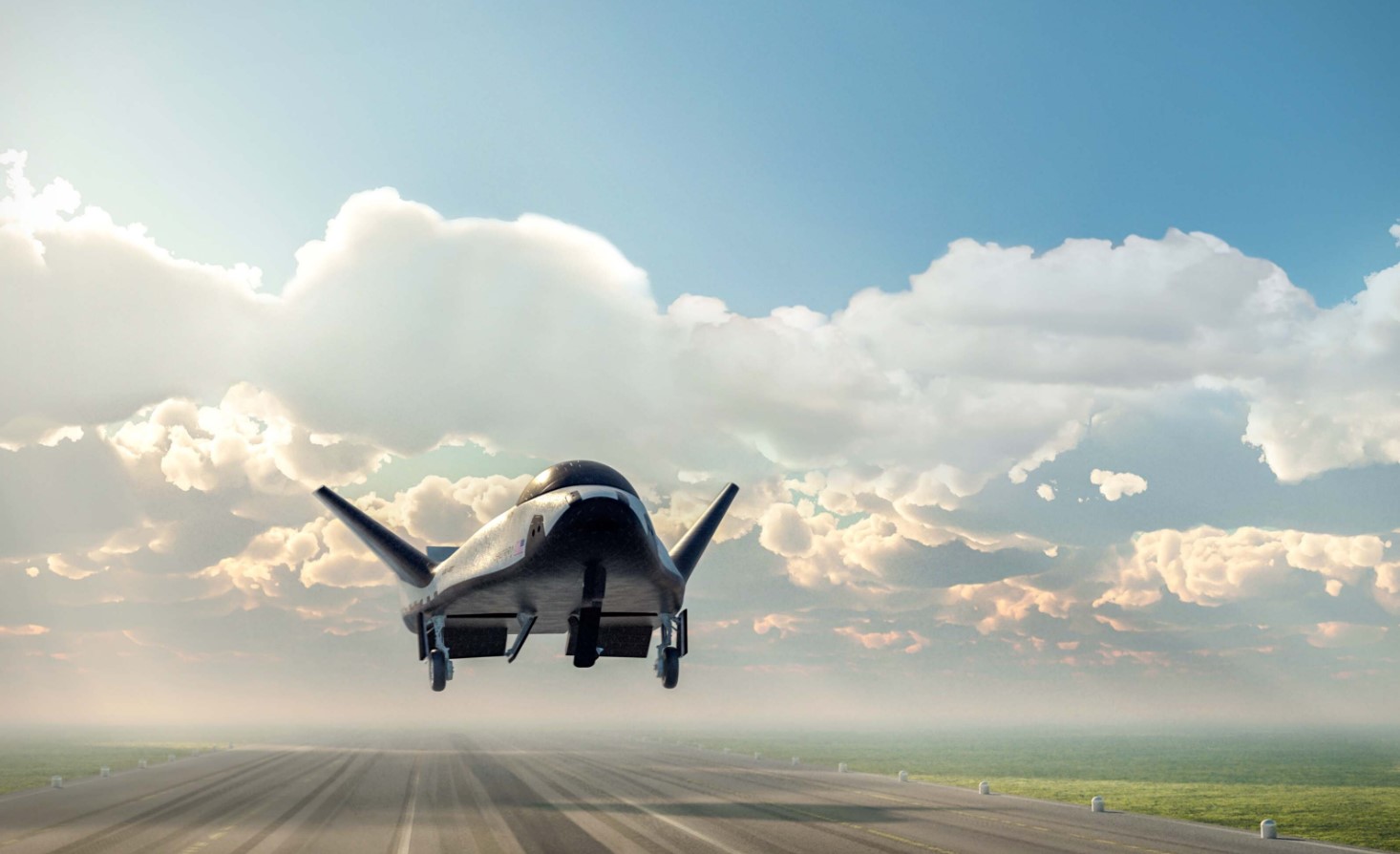
Dream Chaser is Sierra Space’s reusable, winged spaceplane, designed to ferry cargo to low Earth orbit and glide to a runway landing. The Federal Aviation Administration has now issued Sierra Space a Part 450 vehicle operator license covering the spacecraft’s reentry and runway landing operations at Vandenberg Space Force Base in California.
The authorization is specific to the return and landing phase of flight, not the complete mission.
The license runs five years and permits up to four reentries per year, provided Sierra Space keeps the vehicle’s configuration and mission profile unchanged. Vandenberg was originally identified in FAA planning documents as a contingency landing location. It would be used if Dream Chaser could not safely return to its primary site at Florida’s Shuttle Landing Facility.
What It Doesn’t Cover
This license is a reentry authorization, and readers should not mistake it for a launch approval or a full mission green light.
This license authorizes reentry operations. It does not constitute launch approval, payload authorization, range safety clearance, or any other mission-specific regulatory sign-off.
A vehicle operator reentry license and a launch license are separate instruments under the FAA’s commercial space framework. Treating this approval as an unconditional go-ahead would misrepresent where Sierra Space actually stands.
The Environmental Review Behind It
Clearing the environmental review was a prerequisite, not a guarantee of the vehicle operator license.
FAA planning documents covered proposed Dream Chaser reentry operations at both Vandenberg and Florida’s Shuttle Landing Facility. The agency’s environmental review concluded with a finding of no significant environmental impact at either location.
Clearing that review did not automatically produce the vehicle operator license. Sierra Space still had to satisfy the FAA’s safety, risk, and indemnification requirements before the Part 450 authorization could be issued, according to FAA documentation.
What Dream Chaser Is Designed to Do
The spaceplane’s runway-landing design sets it apart from conventional expendable capsules.
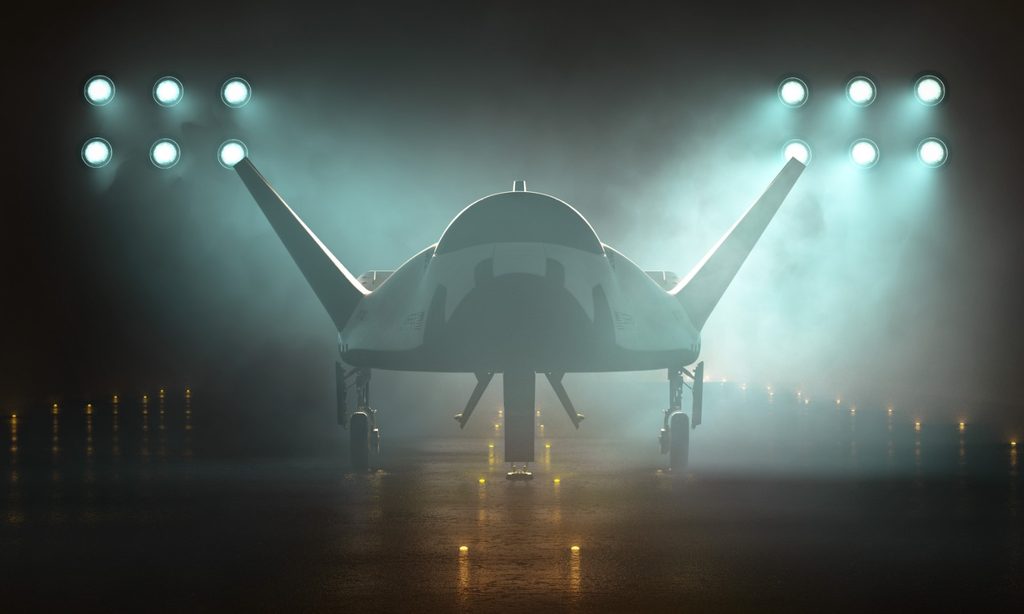
Sierra Space’s spaceplane is a reusable, winged vehicle built to carry cargo to low Earth orbit and return through the atmosphere for a runway landing. That profile separates it from conventional expendable capsules.
The spacecraft is expected to launch from Florida aboard a United Launch Alliance Vulcan Centaur rocket, according to industry reporting. Sierra Space is targeting spring 2027 for the first flight.
SpaceNews and other industry outlets have reported that the mission may include a simulated berthing with the International Space Station. Sierra Space and NASA have not confirmed the specific flight plan; treat that detail as unverified until officially announced.
What Still Needs to Happen
No firm launch date has been set, and several mission-readiness steps remain ahead of the spring 2027 target.
No firm launch date has been announced. Sierra Space and United Launch Alliance must still finalize mission readiness and launch scheduling before spring 2027 becomes anything more than a target.
The final landing site and mission profile should be confirmed against updated announcements from Sierra Space, NASA, the FAA, and U.S. Space Force as the program moves closer to flight.
The Bigger Picture
A five-year, multi-reentry license signals that the FAA framework is designed to support recurring operations, not a single demonstration.
A five-year license structured around recurring operations reflects how the FAA’s commercial space framework is maturing. Four authorized reentries per year points toward an operational cadence, not a one-off test.
Whether Sierra Space reaches that cadence depends on execution. The company must complete its flight-readiness campaign, secure the Vulcan launch opportunity, and prove Dream Chaser performs as designed once in orbit. The reentry authorization is now in place; the remaining program milestones are not.