Disney and FieldAI are exploring whether autonomous robots can direct vehicle traffic through the demanding environment of a theme-park parking lot.
Arriving at a Disney theme park means navigating sprawling lots during peak hours, through shifting lanes and unpredictable conditions. Disney and robotics company FieldAI are now testing whether autonomous robots can take on the job of directing that traffic.
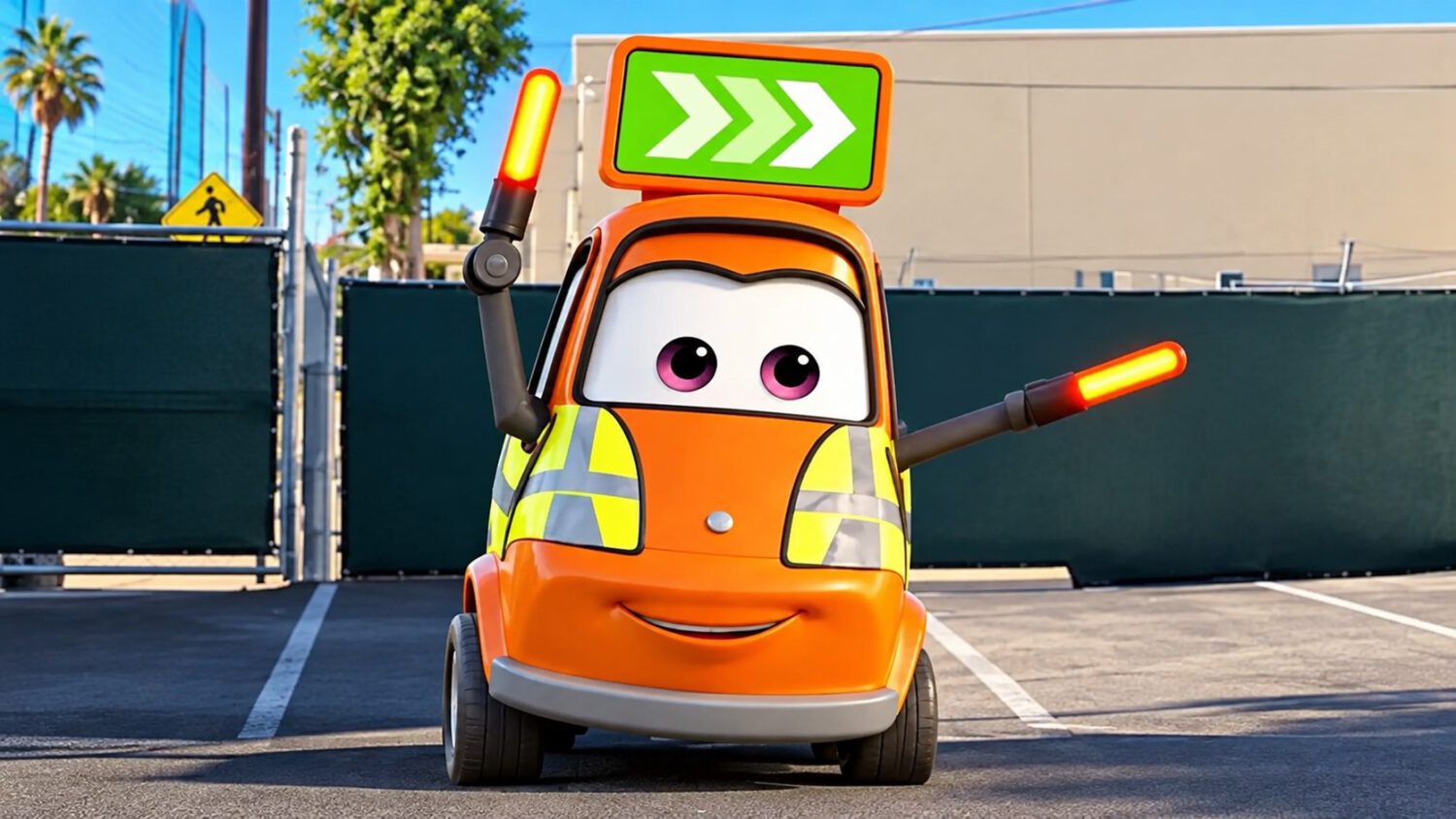
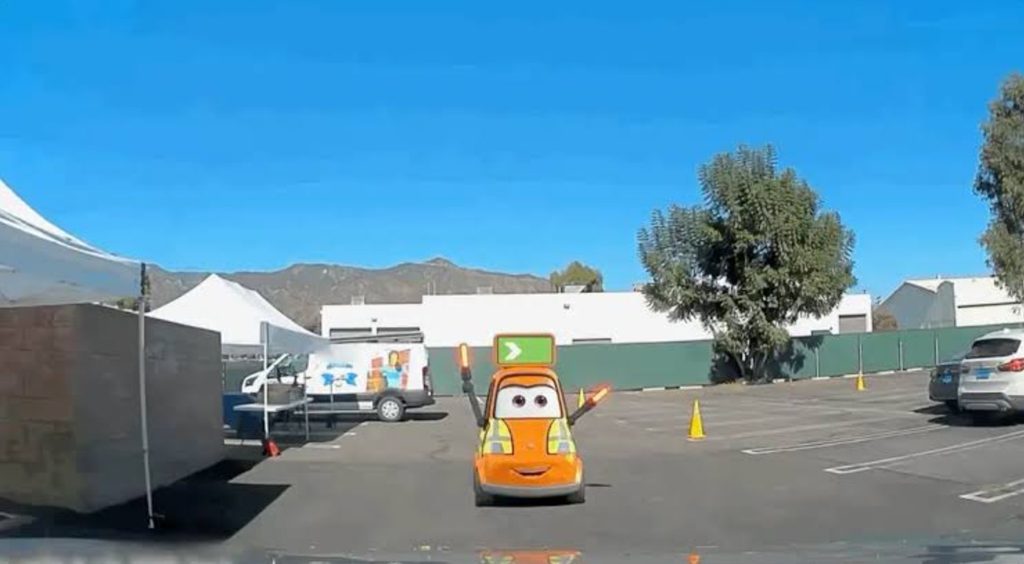
The prototypes are small, four-wheeled machines styled after Disney and Pixar properties, particularly the visual language of Cars and WALL-E. They are not announced products or confirmed additions to any resort.
What the Robots Do
Demonstration footage shows the machines using directional displays, illuminated arms, and movement cues to guide drivers through a parking sequence.
The robots signal drivers to turn, slow down, stop, or pull forward into a space, functioning roughly like an aircraft marshaller scaled down and dressed in Pixar aesthetics. Camera arrays mounted on the machines process nearby vehicles and pedestrians in real time, allowing the robots to adjust their paths as conditions change rather than following a fixed route.
The AI Behind the Hardware
FieldAI supplies the robot-intelligence layer being evaluated, built around software designed to operate in dynamic, real-world environments.
FieldAI builds what it calls physical AI: software that lets machines perceive and react to changing real-world surroundings without relying on predetermined maps or GPS. That platform has been used with roughly 30 different robot types, according to CNET, suggesting the underlying technology is intended to transfer across varied hardware configurations.
Where the Demo Happened
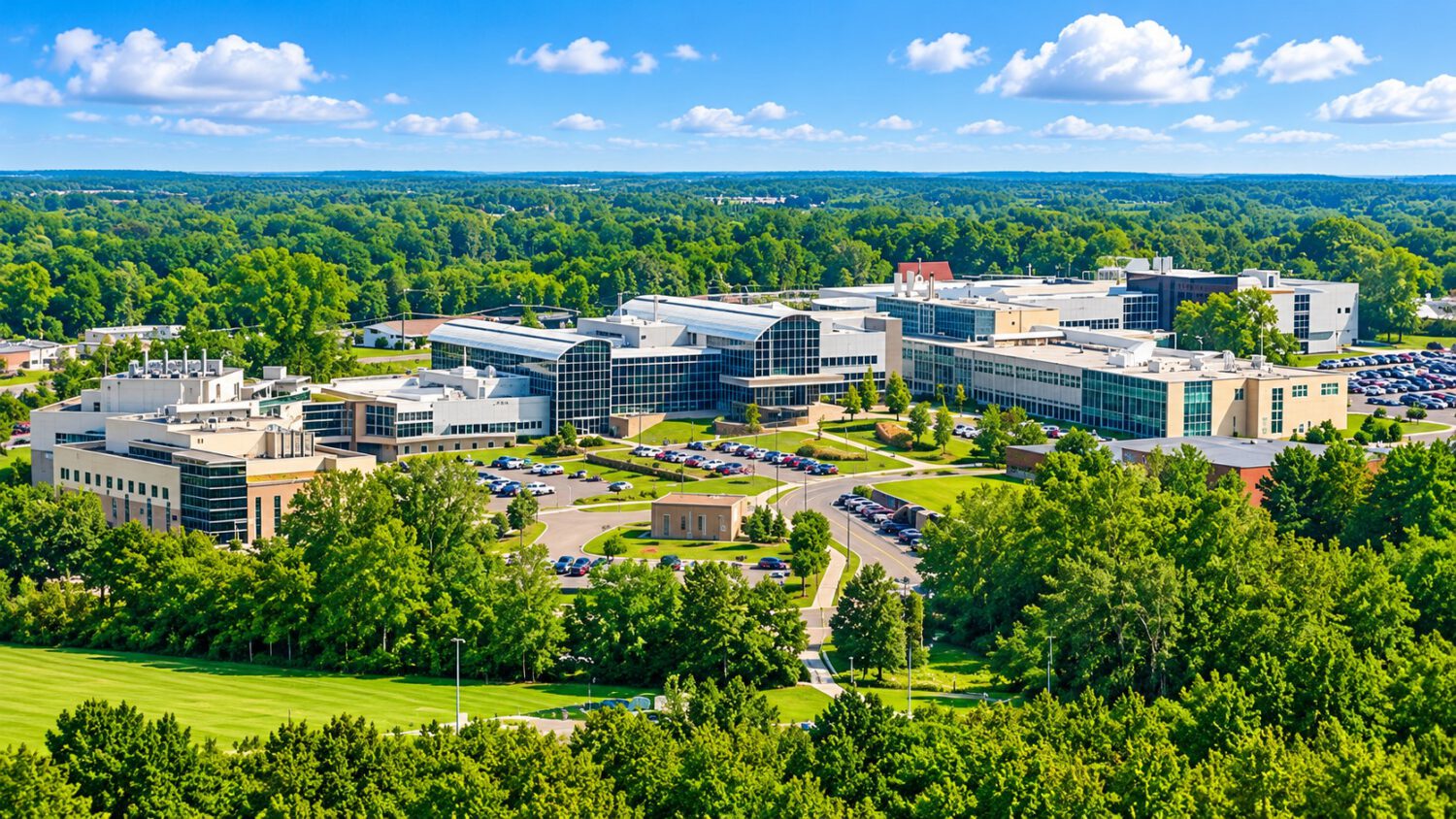
Disney presented the collaboration during its 2026 Accelerator Demo Day at the Walt Disney Studios lot.
FieldAI was one of five companies showcased at the event. Both Disney Experiences Technology and Walt Disney Imagineering Research and Development are involved in the project, according to Disney’s official announcement.
Why a Parking Lot Is a Difficult Operating Environment
The real test is whether these robots can handle the volume and unpredictability of a peak-day arrival, not just a staged demonstration.
A parking lot is not a controlled factory floor. Moving vehicles, pedestrians, temporary obstructions, uneven pavement, and shifting weather create conditions that change faster than a fixed system can anticipate.
Demonstration footage establishes that the robots can perform guided tasks in a staged setting. It does not confirm they can handle the operational variability of a Disney peak-day arrival, let alone the risks seen with directing that traffic autonomously in real-world conditions.
What Disney Is Watching
Disney is assessing both robot performance and how guests respond, with character-inspired design playing a deliberate role in that evaluation.
Disney is evaluating both operational performance and guest response to the robots, Disney executive Gary Daniels told PEOPLE. The character-inspired styling is a considered choice; it aims to make an unfamiliar automated system feel more approachable and extends Disney’s storytelling approach into the arrival experience.
Disney’s official announcement also notes interest in future character-based robotic experiences, suggesting guest-reaction data could inform how the technology is applied more broadly.
What Remains Unresolved
Disney’s announcement describes an exploration, not a launch, and several key operational questions have no public answers yet.
The official announcement does not identify a deployment date, a specific resort, or a commitment to permanent use. Performance data covering routing accuracy, operating speed, safety certification, and weather resilience is not publicly available from the reviewed sources.
Whether staff would supervise each robot during live traffic, intervene remotely, or allow unsupervised operation also remains an open question. The robots should not be interpreted as a confirmed replacement for human parking attendants.
What Comes Next
The meaningful milestone to watch is whether Disney moves these machines from staged demonstrations into supervised field testing under real traffic conditions.
If the physical-AI platform holds up when parking patterns shift mid-rush, the experiment moves into genuine candidacy for guest-facing deployment. Until Disney announces a supervised field-test phase or a specific resort assignment, this remains a promising prototype under careful evaluation.