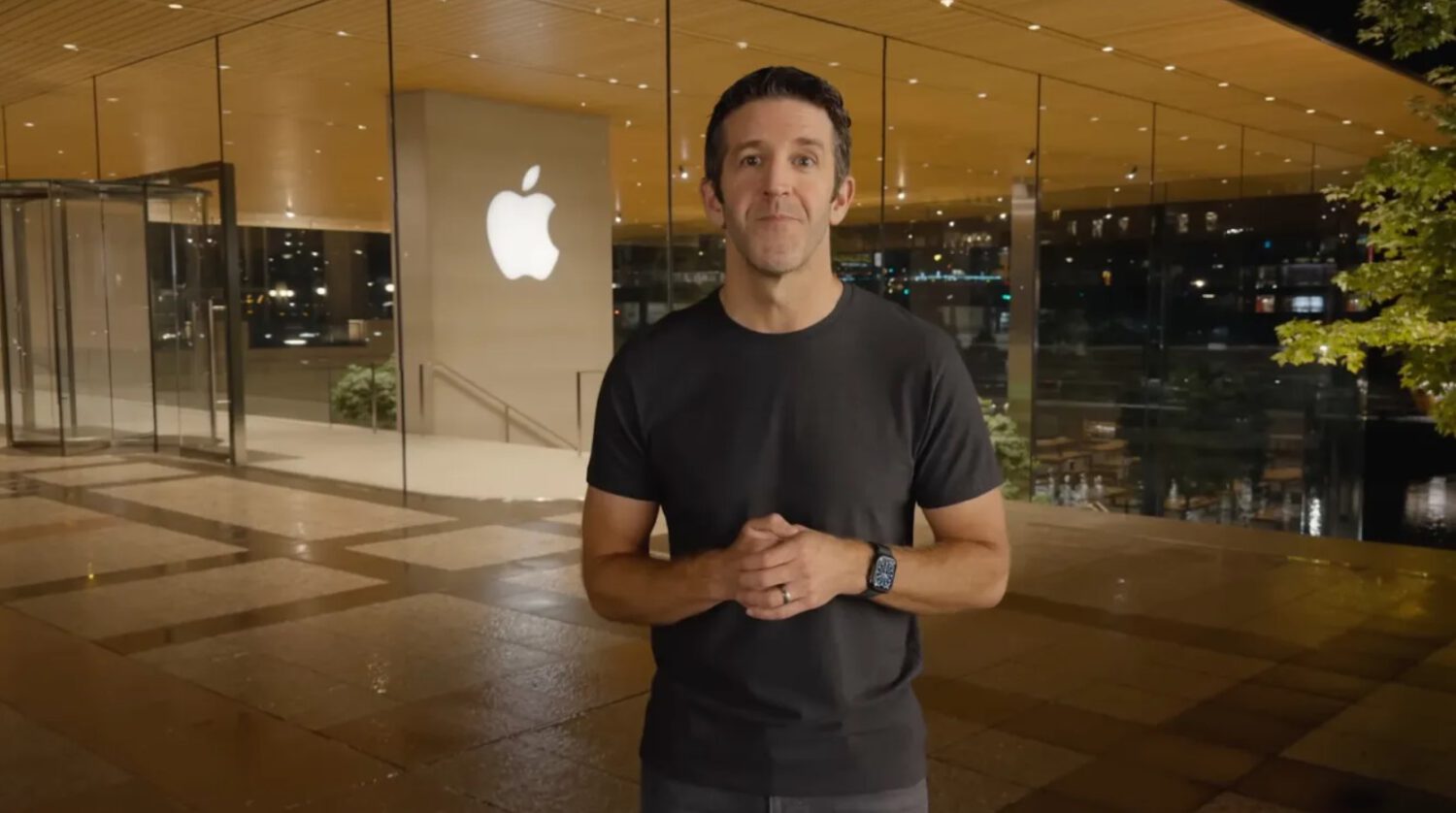
Apple is reporting strong iPhone sales while its new CEO privately presses his software chief to move faster on artificial intelligence. Those two facts sitting side by side reveal the bind Ternus stepped into on September 1, 2026. The company’s investment in AI chips signals how seriously Apple takes the competitive pressure.
The New CEO’s First Real Test
Ternus came up through hardware. His most urgent problem is software.
Ternus succeeded Tim Cook, who moved into an executive-chairman role after leading Apple. Ternus built his reputation running hardware engineering, overseeing the chips and enclosures that define Apple’s products. Fortune has characterized his early tenure by noting the honeymoon is already over.
The Push Behind Closed Doors
Bloomberg reported a private meeting that signals how seriously Ternus takes the AI deficit.
According to Bloomberg, Ternus held a private meeting with software chief Craig Federighi and pressed Apple to accelerate its AI roadmap. The reported concern is specific: improving Siri alone was reportedly viewed as insufficient to close the gap with competitors. Bloomberg’s account is based on anonymous sources, and Apple has not publicly confirmed the meeting or its contents.
Why Siri Is Not the Whole Answer
Turning a voice assistant into an autonomous agent is harder than shipping a new chip.
Making Siri genuinely capable runs into real obstacles: privacy constraints, permissions architecture, and reliable execution at scale. Apple built its advantage around deep hardware-software integration, while competitors have pursued rapid AI-model iteration. Reconciling those two philosophies takes time, and time is a resource under pressure.
An Organization Built for a Different Clock
A reported mismatch between hardware timelines and software cycles is now a strategic liability.
Reports describe internal tension between hardware development cycles that run several years out and software planning windows of roughly 12 to 18 months, according to sources cited by Ynet News. Any AI push spanning devices, operating systems, and services simultaneously collides directly with that gap. Executive turnover in corporate development and App Store management, reported by The Verge, adds further difficulty in establishing a unified strategic direction.
Margin Pressure Arrives at the Wrong Moment
Rising memory costs and slowing services growth are tightening the window for a successful AI pivot.
Rising memory-chip prices are expected to squeeze Apple’s margins and could push product prices higher, according to Reuters. Analysts cited by Reuters also expect services-business growth to slow compared with earlier periods, raising the stakes for AI-powered offerings to generate new momentum.
Regulators Add Another Constraint
European rules on App Store access could limit how aggressively Apple moves in key markets.
Ongoing European Union scrutiny over App Store rules and platform access remains unresolved, according to CNN. Requirements around third-party distribution and AI assistants could restrict Apple’s options in markets where the company has significant exposure.
The Business Still Works. The Next Chapter Does Not Yet Exist.
Apple’s risk is not today’s balance sheet; it is the absence of a clear next growth engine.
Fortune reported record iPhone sales in a recent quarter, showing the hardware ecosystem has not lost its hold on consumers. The harder question is whether the next major growth engine exists before the current one plateaus. Ternus must build that engine without dismantling what already works.
Three questions will define his tenure: Can Apple close the AI gap without compromising its privacy identity? Can improved AI actually drive new revenue rather than simply defend existing ground? And can a hardware-trained CEO accelerate software decisions fast enough to matter? Apple has not disclosed its full AI roadmap. Bloomberg reports, however, that the internal urgency is real.