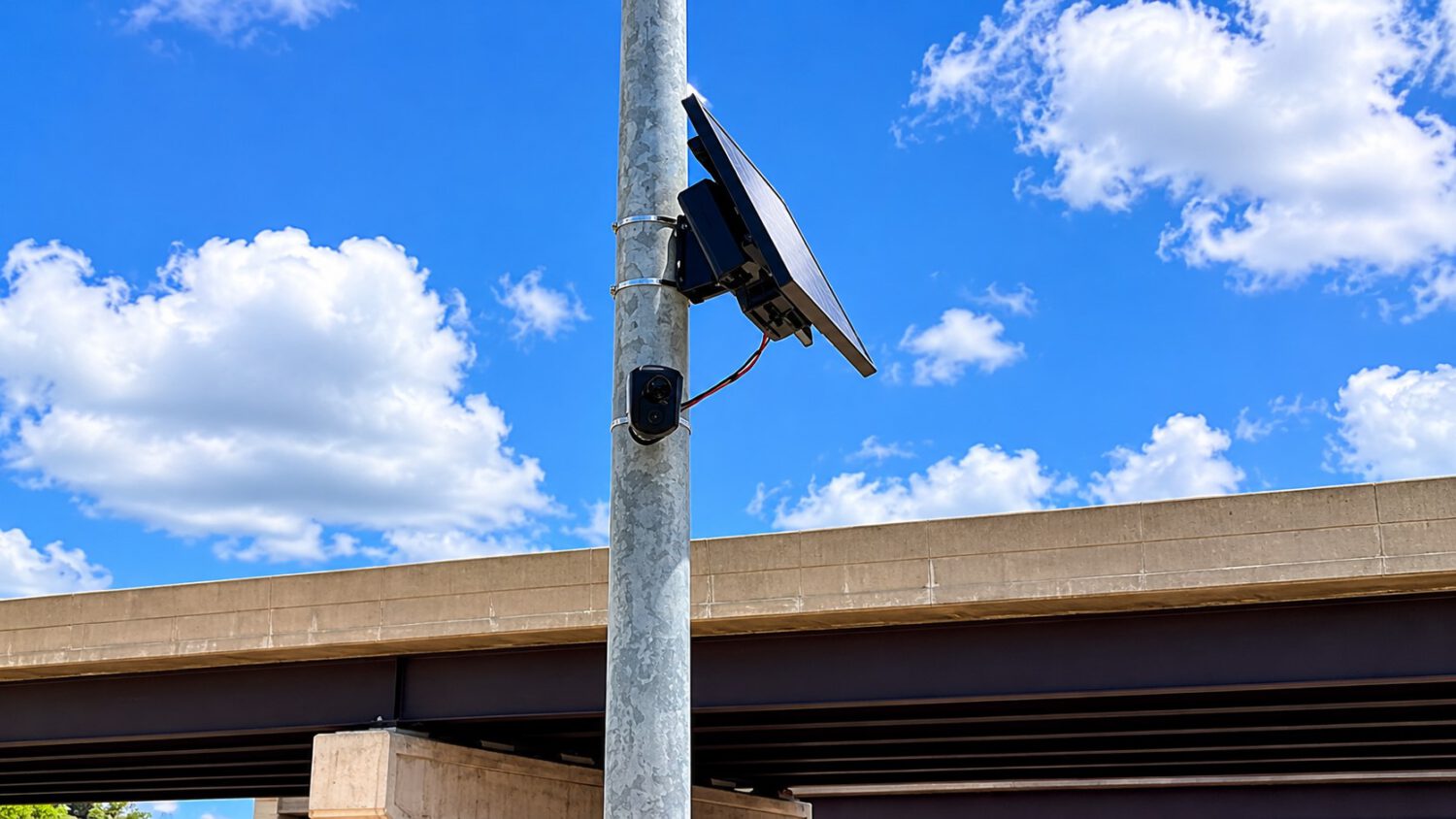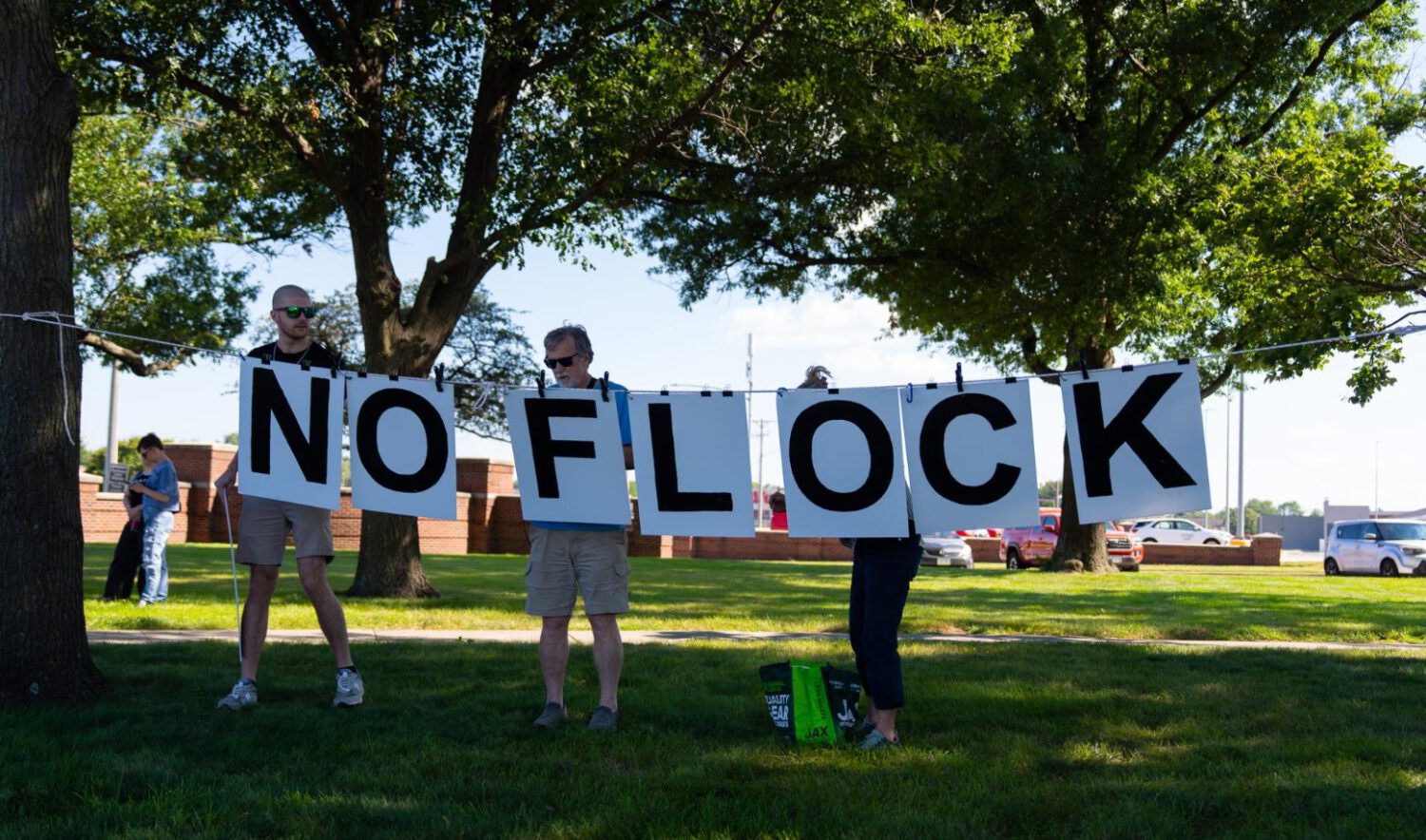
In York, Maine, 72.5% approved a measure that removes the town’s automated license plate reader cameras and requires voter approval before any future surveillance technology is installed. That second clause matters: it’s binding, not symbolic.
League City, Texas, went just under 54% to 46% against continued police use of fixed-location Flock cameras, according to Texas Tribune reporting. The vote was initially framed as advisory, but the City Council subsequently approved a resolution committing to remove or disable the cameras within 72 hours of certification.
The Pattern Is Real, But Patchwork
Municipal resistance to Flock’s cameras has spread well beyond two cities, though the results remain uneven.
York and League City are not outliers. At least 10 local governments moved to restrict, suspend, or cancel Flock contracts between summer and fall, according to TechCrunch reporting. Monroe, Ohio; Newburgh, New York; Richmond, Virginia; and Lansing, Michigan are among them.
More than 25 Massachusetts municipalities ended or suspended Flock agreements by September, according to reporting that cited the ACLU. In Texas, Governor Greg Abbott paused state funding for the cameras, and Dallas shut down 321 state-funded units while keeping roughly 300 city-funded cameras running.
That last detail is worth sitting with. The same city, two categories of cameras, one partial cancellation, and the network stays largely intact.
Canceling the Contract Is Not the Same as Ending the Surveillance
The gap between removing hardware and ending data access is where municipal victories tend to unravel.
In some cases reported by Jalopnik, Flock did not remove equipment after contracts were canceled. In at least one reported instance, a camera was restored to service without authorization after being taken offline, though the specific jurisdiction has not been independently confirmed.
The data problem can outlast the hardware problem. When South Tucson ended its Flock contracts, it didn’t stop other agencies from searching the shared network. According to Phoenix New Times reporting, Scottsdale conducted thousands of searches on data available through the shared system after South Tucson’s cancellation. The city walked away from its cameras; the secretly tracking users problem didn’t walk away from the city.
Data collected before a cancellation doesn’t simply expire when the contract does. Records tied to an active investigation can be moved into evidence systems with longer retention periods, well beyond any standard rolling deletion window, depending on local policy and applicable law.
The Private Camera Problem
A ballot measure governs what a city controls, not what a business installs in the parking lot next door.
Near Phoenix, Flock cameras at Home Depot and Lowe’s locations feed into the same national law-enforcement network, according to Phoenix New Times reporting. Businesses, homeowners associations, and colleges may operate under accountability structures that differ significantly from a police department’s procurement rules and public-records obligations. A surveillance app or privately operated system faces far fewer constraints than a municipal contract.
A city votes out its hardware; the hardware across the street keeps reading plates.
What Real Reform Actually Requires
The harder work begins after the vote, in the contracts, retention policies, and access rules that ballot measures rarely reach.
York’s binding voter-approval requirement is a stronger model than League City’s advisory result, even accounting for the Council’s subsequent removal commitment. The question surveillance reformers now face isn’t just who owns the camera; it’s who controls the data once it’s collected, who can search it, and for how long it survives.
Durable reform means enforceable contract-termination deadlines with verified deletion requirements. A polite letter asking the vendor to retrieve equipment is not a sufficient remedy. It also means limits on cross-jurisdictional searches so that canceling a contract doesn’t simply redirect access to a neighboring agency’s feed, and it means extending public accountability rules to privately operated cameras whose data flows into law-enforcement networks.
York and League City demonstrated that surveillance infrastructure can become an electoral issue. That’s genuinely significant. But a proof of concept is not a finish line, and in some communities the cameras may come down while the data remains accessible elsewhere.