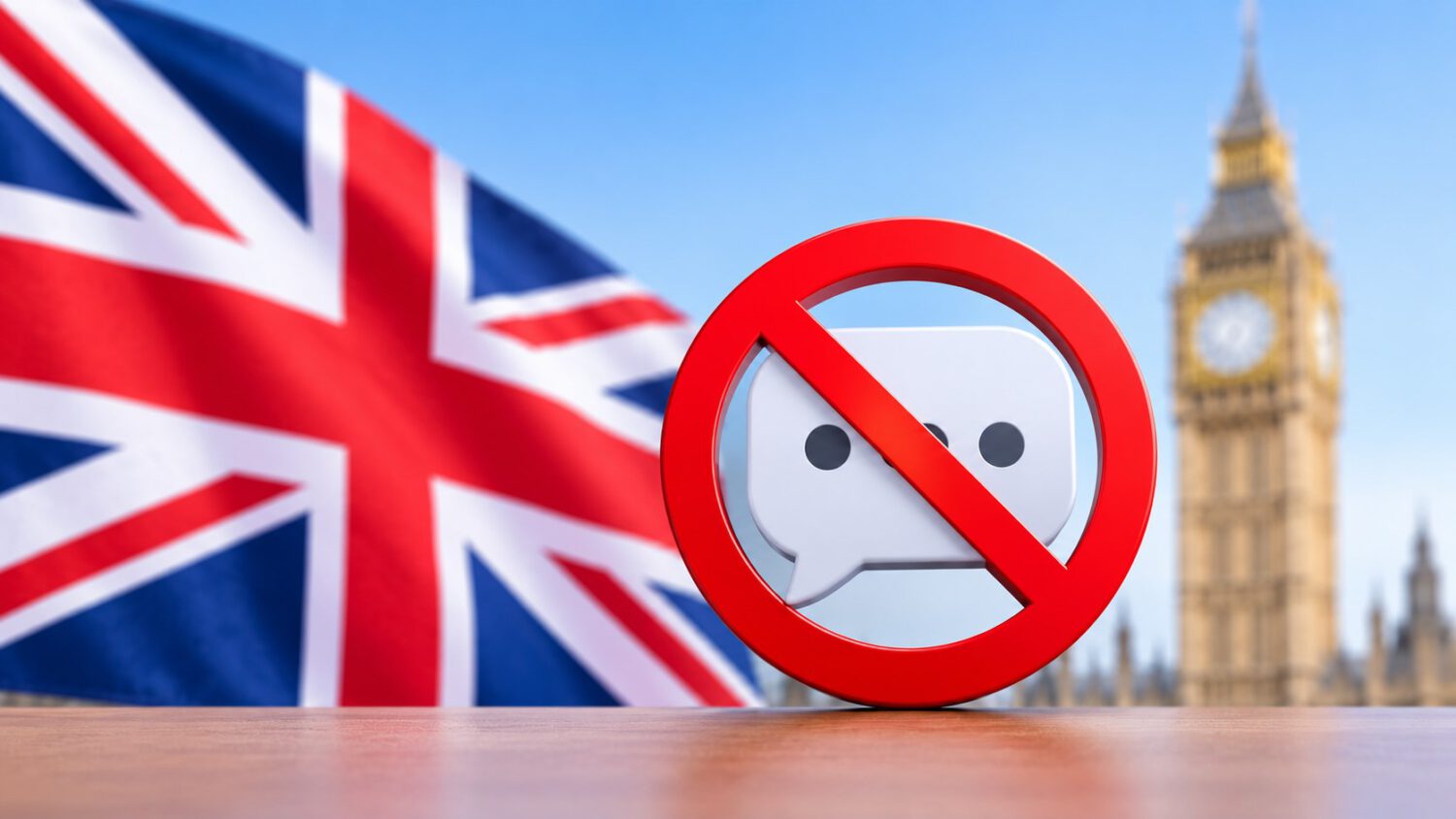
Ofcom‘s new emergency framework puts platforms in the driver’s seat during public safety crises, while critics worry about who gets to decide when the moment is dangerous enough to act.
What the “Kill Switch” Label Gets Wrong
The political framing overstates the formal mechanism; the legal reality is subtler and arguably more consequential.
“Speech kill switch” is a political characterization, not a statutory term. What takes effect November 2, 2026, under Ofcom’s amended Illegal Content Codes and Protection of Children Code, is a standing crisis moderation infrastructure that platforms must build, maintain, and trigger themselves.
Ofcom does not gain power to declare a crisis or directly order content removed. The regulator supervises compliance with the underlying safety duties; the platforms make the operational calls.
What Qualifies as a Crisis
The definition is broad enough to reach local incidents and overseas events alike.
Ofcom defines a crisis as an extraordinary situation involving a serious threat to public safety in the United Kingdom, highly likely to have resulted from, or caused, a significant increase in relevant illegal content. A local, regional, or overseas event can qualify under that definition, as illustrated by cases involving threats to critical infrastructure such as a UK power plant.
Ofcom cites the 2024 Southport murders as part of its rationale, noting that online content fueled violent riots in the aftermath, according to the regulator’s published statement.
What Platforms Must Do
Protocols, response teams, and a law-enforcement channel, none of which need to be made public.
Covered services must maintain a written crisis protocol. It must detail how they will monitor warning indicators, assess a possible crisis, and deploy a senior response team when a crisis is occurring or is likely to occur.
That protocol need not be published, meaning the decision-making framework can remain inaccessible to users and outside observers. Certain large platforms must also maintain a dedicated communications channel for law-enforcement agencies. The precise legal limits governing what agencies can request through that channel are not fully established in Ofcom’s public materials.
Who Is Covered and What Content Is in Scope
The regime applies to large user-to-user services and, separately, to any service assessed as high-risk.
The measures apply to large user-to-user services with 7 million or more monthly UK users assessed as medium-risk, and to services of any size assessed as high-risk. Content categories in scope include terrorism, hate-related material, harassment, stalking, threats and abuse, foreign-interference content, and content harmful to children.
The False-Positive Problem
The framework can activate before a crisis is confirmed, at precisely the moment when moderation errors carry the greatest consequence.
The “likely to occur” threshold means platforms can activate their protocols before a crisis is confirmed, based on warning signals rather than a clearly observable triggering event. Lawful speech, accurate reporting, or eyewitness footage could be restricted during a fast-moving event as a result.
Ofcom’s counterpoint is that crises are rare, so intervention will also be rare. Critics argue that rarity does not reduce the stakes for the journalist or bystander whose verified content is suppressed while events are still unfolding.
What the High Court Ruling Actually Decided
The October 30 judgment strengthens Ofcom’s data-gathering powers; it does not authorize emergency content shutdowns.
On October 30, 2026, the High Court upheld Ofcom’s use of information notices against TikTok, X, and WhatsApp, rejecting the companies’ central legal challenge to the regulator’s powers under section 100 of the Online Safety Act, according to the judiciary press summary and Reuters. The ruling confirms Ofcom can require substantial platform data, subject to proportionality, paralleling broader government health, financial, and legal data governance efforts seen across Europe.
It does not authorize Ofcom to impose emergency content suppression. Those are separate mechanisms, and conflating them misrepresents how the system works.