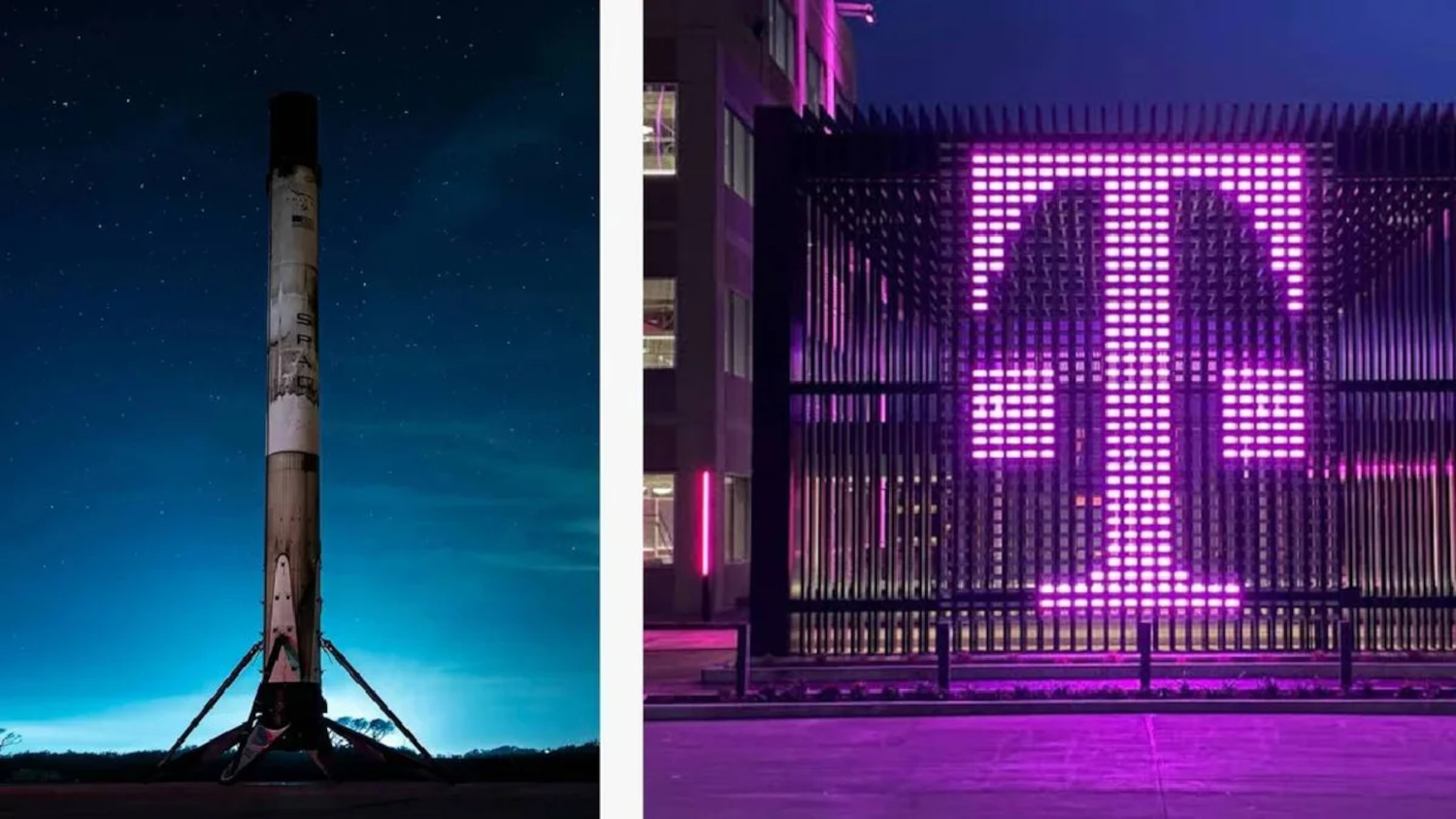
Two competing policy goals are colliding at the FCC. SpaceX wants updated rules that let satellites beam connectivity directly to phones; T-Mobile, AT&T, and Verizon say those rules would damage the 5G networks that carriers claim hundreds of millions of users rely on today.
The dispute centers on the FCC’s Supplemental Coverage from Space (SCS) framework, which would allow satellite operators to use licensed spectrum for direct-to-device connectivity. The proposed framework covers roughly 482 MHz of spectrum; the contested 2.5 GHz and 3.45 GHz bands account for 290 MHz of that total and are central to incumbent 5G deployments.
SpaceX Calls the Carriers’ Proposals Technically Unjustified
SpaceX argues that T-Mobile’s proposed interference limits would carve out no-satellite zones stretching hundreds of kilometers around cell towers.
In its FCC filing, SpaceX accused T-Mobile and aviation coordinating body AFTRCC of advancing recommendations that are “technically unsound,” according to reporting from Benzinga. The company characterized incumbent opposition as driven by a “misplaced desire to harm” a competitor through what it describes as outdated rules, per the same reporting.
SpaceX projects that T-Mobile’s proposed interference-to-noise ratio limit of -6 dB, applied 100% of the time, would create protection zones exceeding 400 kilometers around terrestrial cell sites. That figure reflects SpaceX’s reading of T-Mobile’s proposal, not a finding by the FCC.
Base-station antennas are directional, SpaceX argues, making them more resilient to satellite interference than mobile handsets. On that basis, SpaceX proposes applying the relevant protection standard 80% of the time while international ITU standards are updated.
The power flux density limit T-Mobile proposed for smartphones drew a separate objection from SpaceX. That limit measures a satellite signal’s power per unit area; SpaceX contends T-Mobile provided no sufficient technical study to support it and says the FCC should rely on ITU-developed criteria instead. SpaceX separately asked the FCC to add the 902-928 MHz band to the SCS framework, arguing broader access would improve coverage in underserved and border communities.
Carriers Say the Interference Risk Is Real and Unresolved
T-Mobile claims satellite overlap could eliminate most of a cell site’s uplink coverage; CTIA warns more than 300 million users are exposed.
T-Mobile’s filing claims satellite interference could eliminate up to 96% of a cell site’s uplink coverage area where signals overlap. The filing further claims uplink performance could fall by 35% to 65% even under ideal signal conditions; those figures are T-Mobile’s advocacy estimates and have not been independently validated by the FCC or a neutral engineering body.
The sensitivity concern is partly structural. T-Mobile’s 2.5 GHz network uses time-division duplexing (TDD), a system where uplinks and downlinks share the same frequency at different times rather than on separate channels, which carriers say makes those bands especially vulnerable to satellite signals entering the operating area.
CTIA, representing AT&T, T-Mobile, and Verizon, urged the FCC to remove both contested bands from the SCS framework entirely. The group argues that more than 300 million users depend on the affected spectrum and that technically unworkable coexistence rules could compromise internet speed and reliability.
Aviation stakeholders through AFTRCC separately raised concerns about satellite transmissions interfering with flight-test telemetry systems. SpaceX disputes those recommendations as lacking adequate technical justification.
A Competitive History Runs Beneath the Technical Dispute
T-Mobile was once a SpaceX satellite partner; now it holds spectrum SpaceX wants to access.
T-Mobile is both a major licensee of the contested spectrum and a former SpaceX collaborator on satellite-to-phone development. That history means the proceeding is simultaneously a technical disagreement about interference thresholds and a fight over competitive positioning in the emerging direct-to-cell market.
The FCC must determine whether a coexistence regime with enforceable technical limits is achievable or whether certain bands are structurally incompatible with satellite use. No ruling on this particular expansion proposal has been issued.