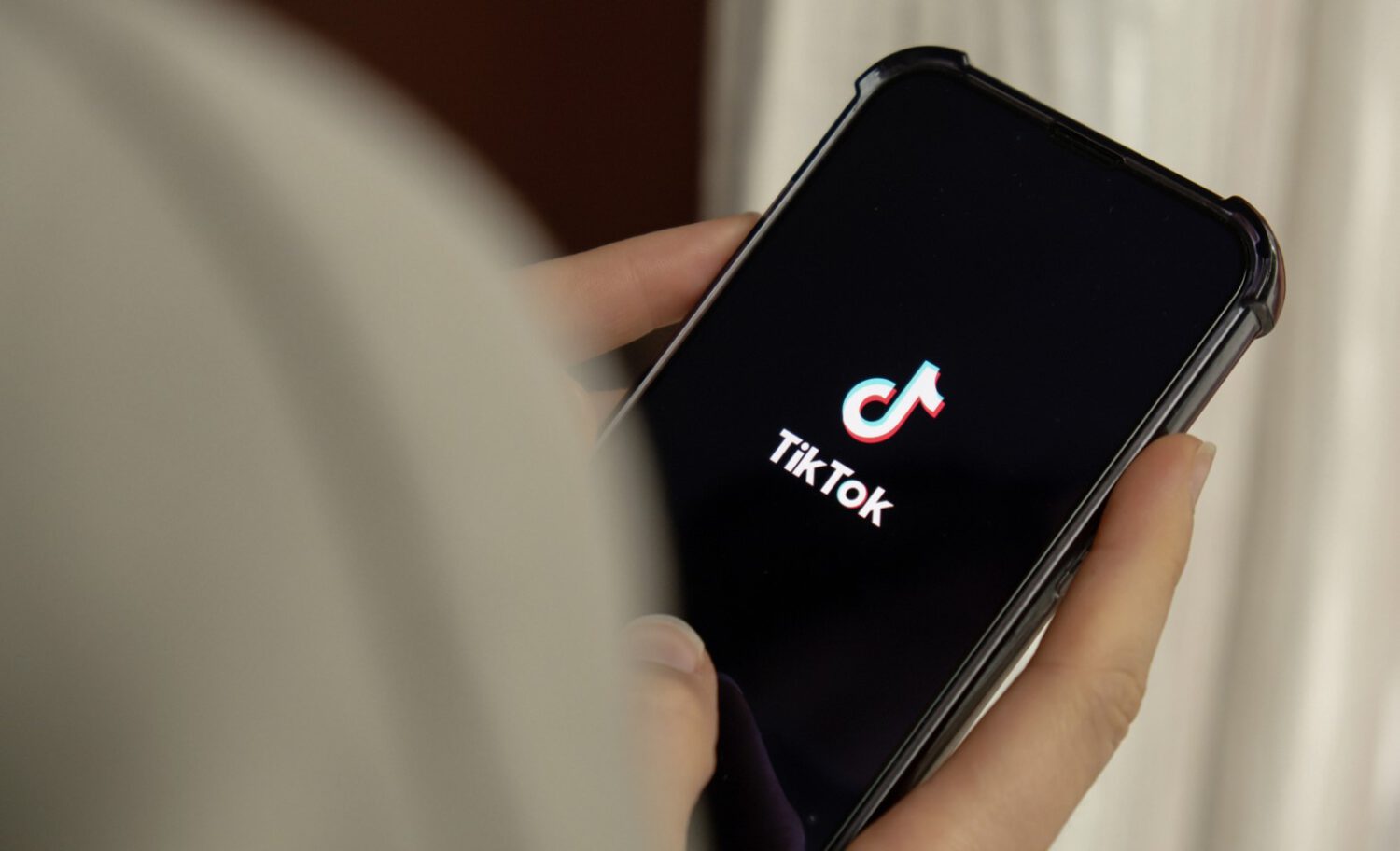
A teenager, deep in a difficult stretch, taps a button to reset their feed and escape videos dragging them under. According to New York’s lawsuit against TikTok, that button may have done nothing at all. The allegations became public after a judge ordered portions of an amended complaint unsealed on October 7, 2026.
What Algo Refresh Was Supposed to Do
TikTok’s Algo Refresh promised users a way to reset the recommendation algorithm and stop the platform from surfacing unwanted or potentially harmful content.
For anyone who has ever felt trapped in a feed that keeps getting darker, that tool represented something real: a way out.
What New York Alleges Actually Happened
The state says TikTok ran placebo experiments on thousands of users in 2023, including children and teenagers, and tracked effects on time spent on the platform and advertising revenue.
According to the lawsuit, the alleged testing included:
- Thousands of users, including minors, reportedly received a nonfunctional version of Algo Refresh. Others received the working version. Both groups were allegedly shown confirmation that the feature had activated.
- The complaint says TikTok monitored time spent on the platform and advertising revenue across both groups during the experiments.
- A separate algorithmic test allegedly withheld a different safety feature from roughly 10% of U.S. users, affecting approximately 15 million people, according to Bloomberg.
- One teenager in the group that did not receive that safety feature later died by suicide. There is no established causal finding; this is an allegation and a reported circumstance only.
- The lawsuit also alleges TikTok overstated what Algo Refresh did, describing it as a reset of recommendations when, according to the complaint, its effect was temporary.
These are allegations in active litigation. None have been established as fact in court.
TikTok’s Position
TikTok broadly denies New York’s allegations and says protecting young users is a priority, according to Reuters.
The company says it regularly tests features to understand how they function under real-world conditions. In a court filing, TikTok acknowledged that some tests leave a portion of traffic on the original user experience, but denied that such testing makes the platform less safe for those users, according to Bloomberg.
The Real Problem the Industry Needs to Fix
A/B testing is standard across tech platforms; the harder question is whether safety controls should work the same way when a child has explicitly reached for one to avoid harm.
Every tech platform tests its products. That is not the dispute here. The question is whether safety controls should be subject to ordinary experimentation when users, including children, have explicitly reached for them to avoid harm.
The placebo effect belongs in clinical drug trials, with informed consent and ethics oversight, not quietly swapped into a teenager’s feed. Whether similar disclosure requirements should apply to platform safety features is a question this litigation may finally force into the open.
This lawsuit sits inside a broader wave of state actions accusing TikTok of addictive design and misleading safety claims. The litigation may force a long-overdue question: should users be told when the safety tool they just activated is part of a test?
What You Should Expect From a Safety Feature You Turn On
The reasonable expectation, at minimum, is that the feature actually runs.
When you activate a safety control designed to protect a child safety feature from harmful content, you expect it to function. The outcome of this case may shape whether platforms are ever legally required to guarantee exactly that.