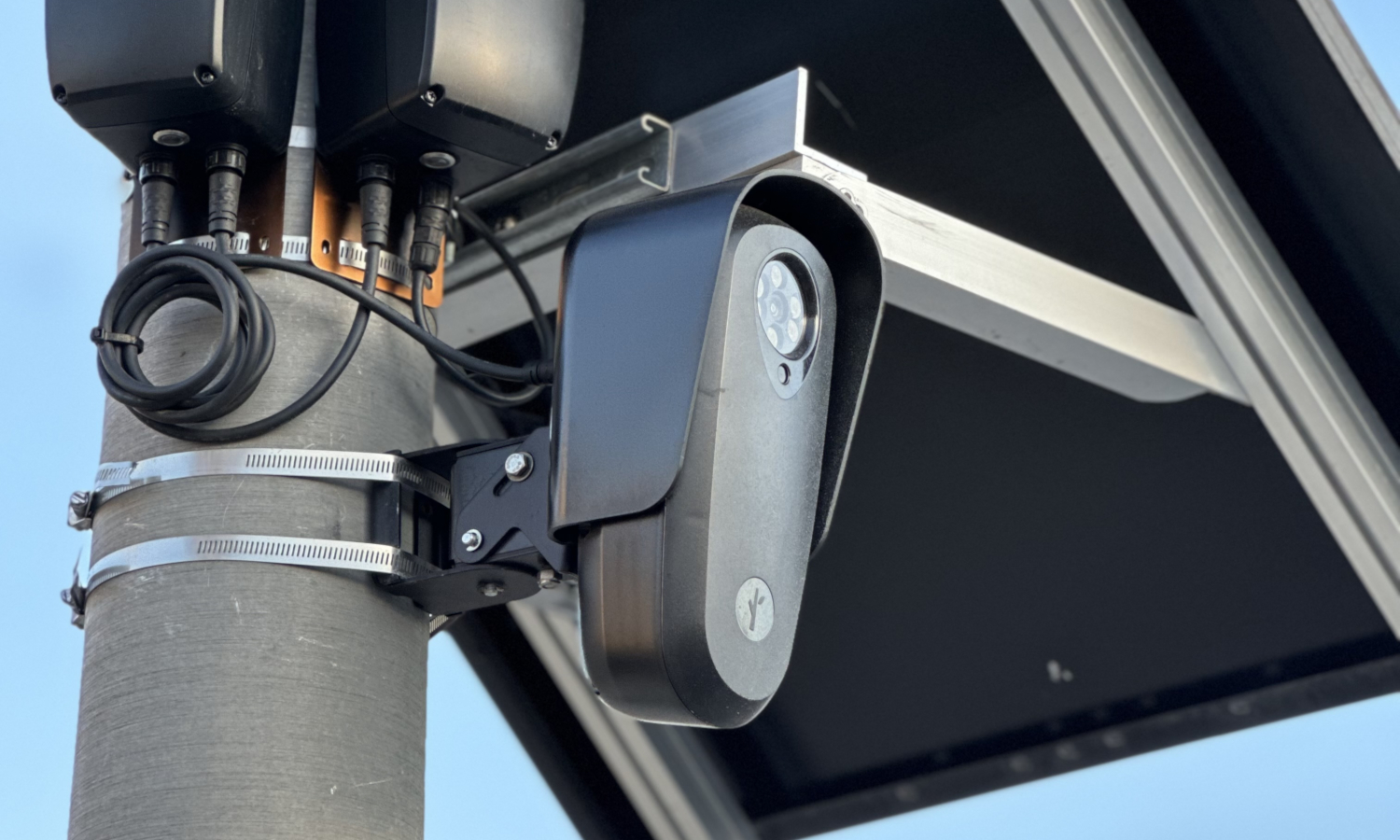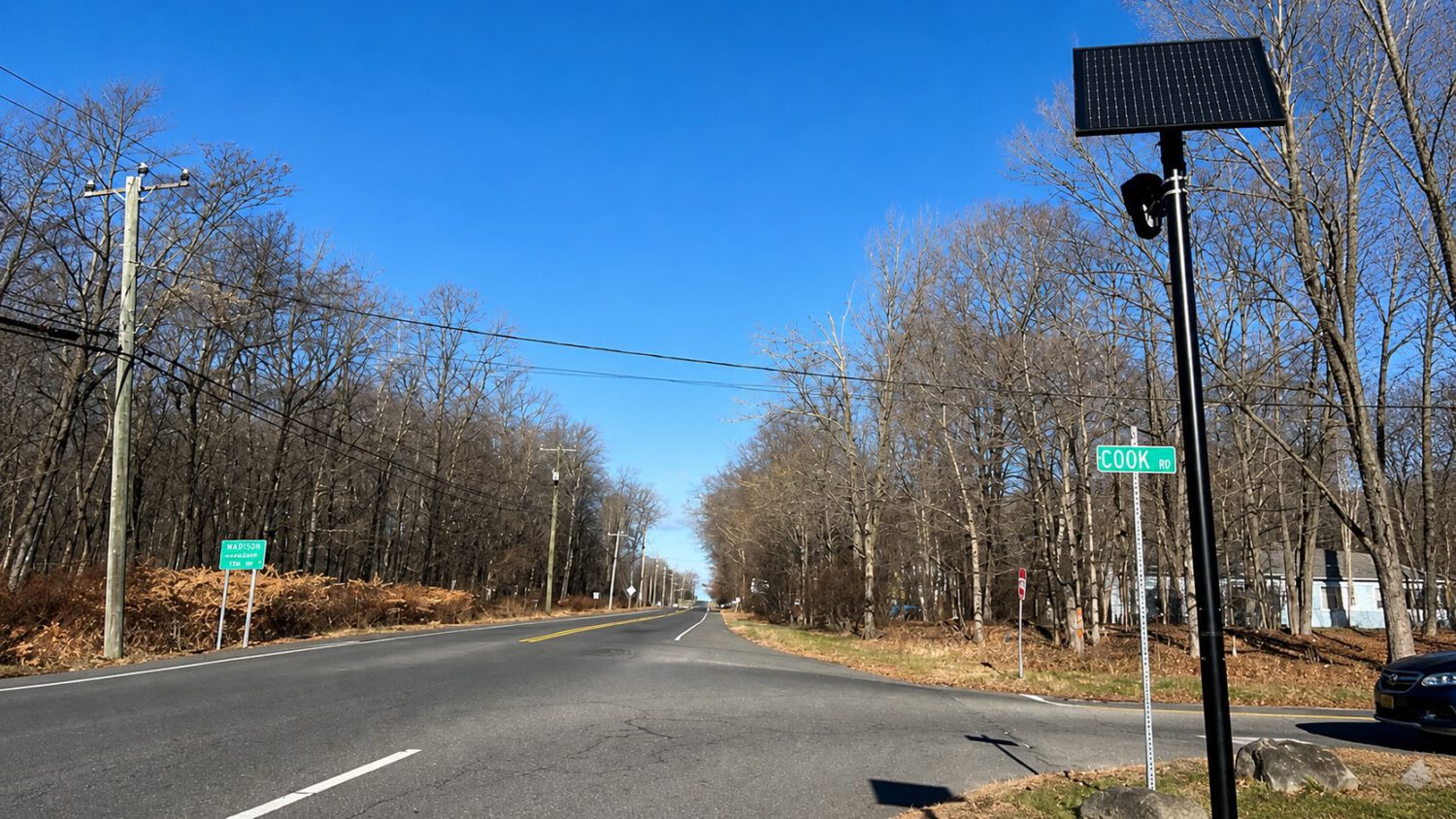
The city had already voted to pause its Flock Safety automated license-plate-reader program. On Sept. 18, officials issued a direct hold directive ordering no work orders to be completed. Cameras still ended up back in service, and the Dayton Police Department was notified to remove them.
The Timeline That Raises Questions
Two cameras returned to service after the city issued an explicit stop-work order, raising direct questions about vendor compliance.
On Sept. 17, Dayton officials identified a Flock maintenance work order tied to one of the city’s cameras, then directed Flock the following day that the program was on hold and no work orders should be completed.
The city said its instructions were not followed. One camera returned to service without authorization; a community member then alerted the city, prompting staff to check other former camera locations and find a second unauthorized reinstallation. Both were removed after the Dayton Police Department was notified.
What a “Stop” Should Mean
The incident exposes a practical gap between issuing a suspension and actually controlling connected surveillance infrastructure.
Most contract disputes involve late invoices or missed deliverables. This one involves surveillance equipment that may have collected license-plate data without authorization, though whether either camera captured data during the unauthorized period has not been established by available reporting.
The deeper issue is vendor control. When a city tells a contractor to stop, the question is whether that instruction carries any practical weight once a vendor retains physical and network access to the equipment. Flock’s explanation for the gap between the city’s directive and the equipment’s reactivation has not been reported.
What Comes Next
Dayton’s suspension runs through 2027, but the incident leaves contract and oversight questions unresolved.
The city council had voted to pause its automated license-plate-reader programs through the end of 2027. Whether the vendor contract contains enforceable shutdown procedures, and whether system logs were audited for activity during the unauthorized period, remains publicly unknown.
Every municipality running a similar contract should scrutinize those same questions now. A stop-work order is only as reliable as the safeguards written into the agreement before cameras go up, not after they come back down without permission.