Four products, four price points and one clear strategy: give consumers several ways into the same ecosystem. At Meta Connect 2026 on September 23 and 24, Meta announced a hardware lineup running from $249 to $1,299, pairing each tier with software, content and AI features. Some devices ship within weeks; others arrive in spring 2027.
The Hardware
Four tiers, one ecosystem, prices starting at $249.
Ray-Ban Meta Audio is Meta’s first camera-free smart-glasses model, built for music, podcasts, calls and Meta AI without any image capture. At 43 grams, it offers up to 12 hours of use, with the charging case adding 48 more. Pre-orders opened September 24, with shipping scheduled for October 13 at $349, in Clubmaster and Burbank frames across 23 color-and-lens combinations, including prescription options.
The third-generation Ray-Ban Meta adds a 12-megapixel camera, 3K video and a six-microphone array that Meta claims reduces background noise by more than 90 percent. Battery life reaches nine hours, up from eight in the previous generation, according to Engadget’s coverage of the event. The glasses are available immediately at $449 in 27 combinations, including new Aviator and Zena frames, with announced collaborations with Kylie Jenner and Blackpink’s Lisa.
Ray-Ban Display is now broadly available in the US at $799, in the UK at £749 and in Canada at $1,149 CAD. Pre-orders are open in Germany, France and Italy at €899, with availability scheduled for October 13. New features include cycling and transit directions, holographic WhatsApp video calls, photo editing and phone-notification mirroring.
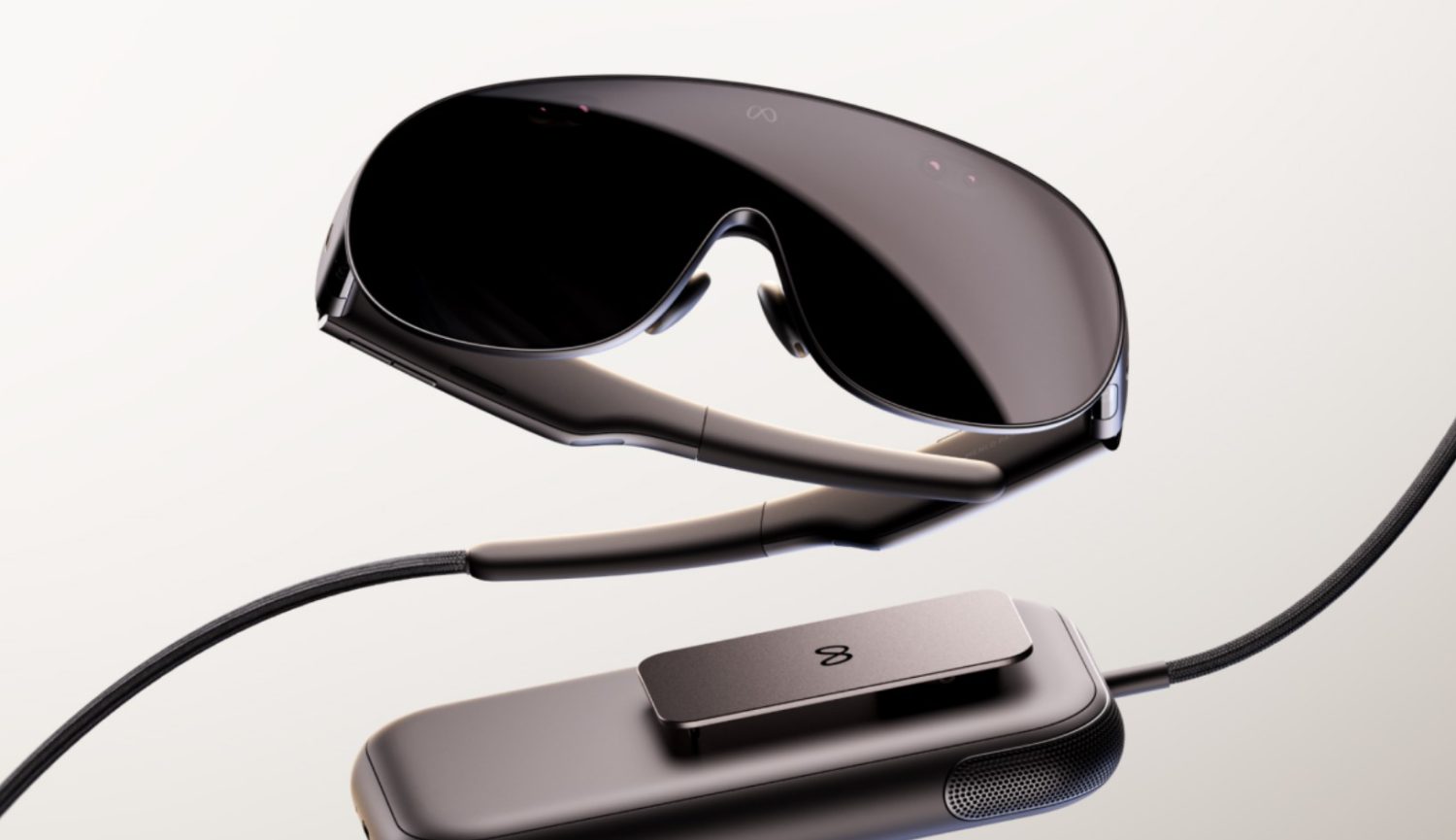
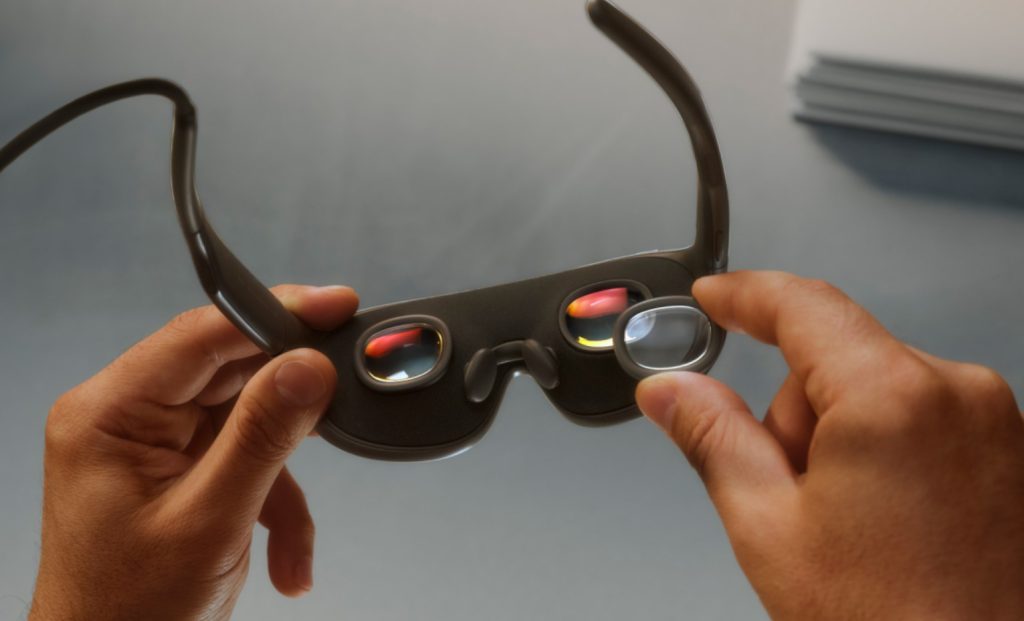
Meta VR Glasses sit at the top of the stack, arriving in spring 2027 at $1,299. The device weighs 100 grams, uses a magnesium-alloy frame with pancake lenses, and Meta says it supports a 5K display with Dolby Vision, Dolby Atmos and IMAX Enhanced certification. Computing runs through a tethered puck powered by Qualcomm’s Snapdragon Reality Elite platform, and Meta claims three hours of continuous high-resolution playback per charge, a figure that has not yet been verified by independent reviewers.
The glasses connect to Windows PCs and Macs and support 75 hand-gesture-controlled games at launch, the broader Quest library, Xbox Cloud Gaming and Touch Plus controllers. Holographic avatars are coming to WhatsApp and Zoom calls as well.
Software, Content and the Ecosystem
Games, films, sports and an AI companion device round out Meta’s pitch.
Beat Saber is set to receive what Meta calls its largest-ever update in spring 2027, adding a new mode called Flux with gesture-based powers and 35 songs, alongside a redesigned campaign and hand tracking for Meta VR Glasses and Quest. Supernatural returns to the Meta Horizon Store in fall 2026 with user progress intact. Payday: Aces High comes to Quest 3 and 3S later in 2026, with an open playtest on October 19, while a mixed-reality version of Tetris Effect and Two Point Hospital with hand tracking are also headed to Quest.
On the content side, Disney+ subscribers in selected countries can stream The Avengers and Black Panther in 3D from November 2026. A Disney Immersive Cinema by ILM app will bring VR Enhanced versions of Avengers: Infinity War and Star Wars: A New Hope to Meta VR Glasses in spring 2027. Meta also plans to offer hundreds of 2D and 3D films for purchase or rental in the US later in 2026.
ESPN immersive sports streaming at 8K in 180-degree views begins with college football in 2026 and expands in 2027. Meta says users will have access to more than 100 live sports events per year through partnerships with MLB, NBC Sports, TNT Sports and UFC.
A hearing-enhancement feature arrives in the US later in 2026, starting on Meta Glasses before expanding to Ray-Ban Meta Gen 3 and Audio. Meta describes it as a tool for adults who have difficulty following conversations in noisy environments, and notes it is not a substitute for regulated hearing aids. After a 30-day trial, the feature costs a one-time $149 or is included through a Meta One subscription, with FSA and HSA eligibility.
Zuckerberg briefly showed Muse Charm, a keychain-sized device with a display, speakers, microphones and a fingerprint sensor. Meta describes it as a dedicated interface for its Muse AI agent, with further details expected later in 2026. The Meta Adventurer ($249, available October 23) and the limited-edition Meta Fury complete Meta’s own-brand glasses range.
Meta’s pricing ladder now runs from a basic audio pair to a full spatial-computing headset. Whether any of it justifies the cost depends on real-world battery performance, prescription availability and how comfortable you are wearing a camera on your face in public.