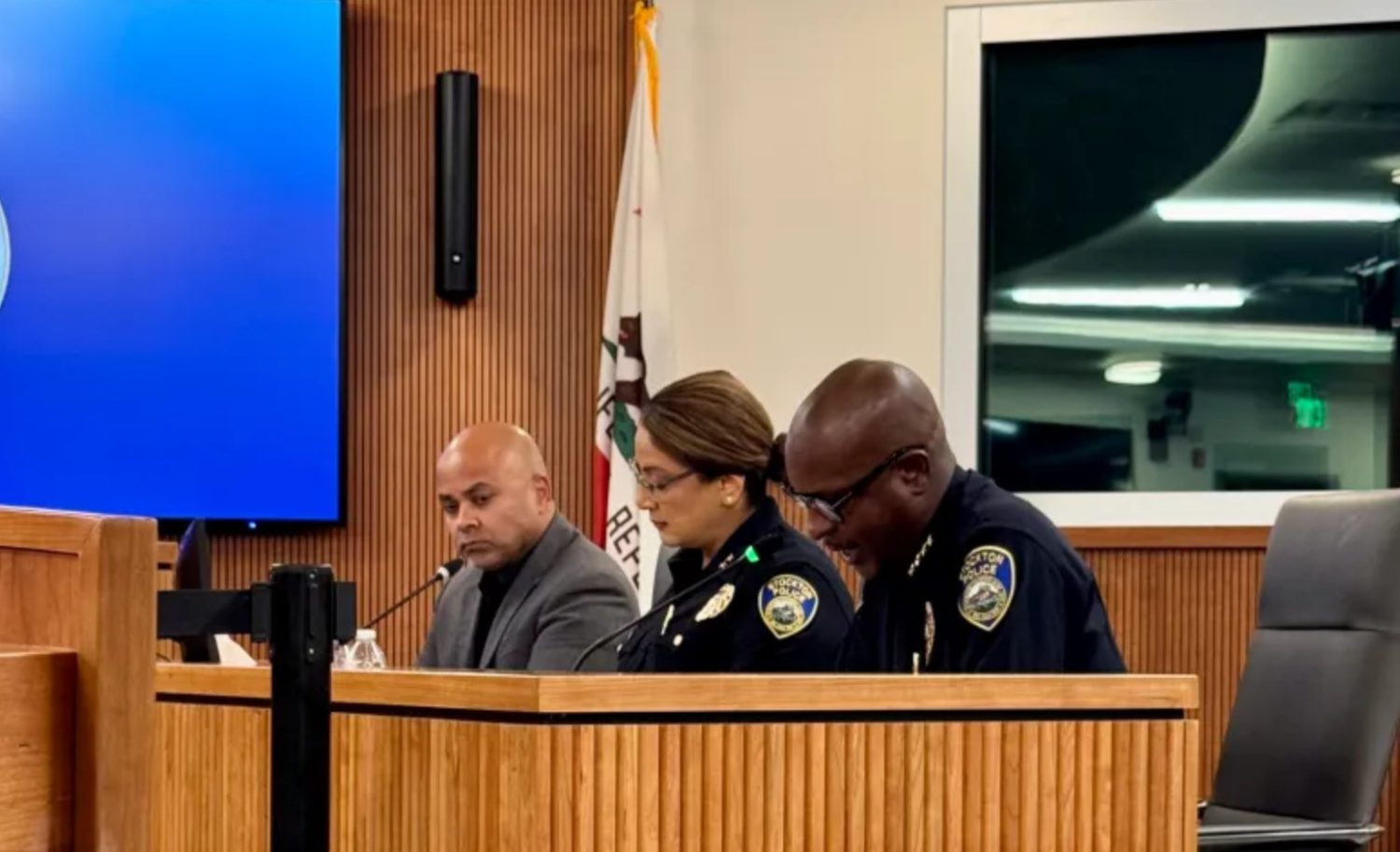
A $3.15 million Stockton contract amendment funding drone and surveillance technology was labeled “Animal Shelter Study” in the city’s accounting system, according to public records reviewed by a local civic organization.
That discrepancy is now the center of a growing transparency dispute. The City Council approved the amendment in March 2026, and public opposition emerged in August and September of that year.
What Flock Cameras Do
Automated license-plate readers collect far more than a plate number, and networked access can extend that data well beyond city limits.
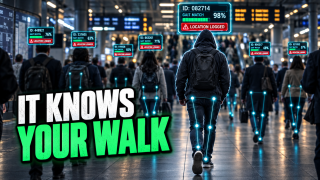
Flock Safety cameras are automated license-plate readers (ALPRs) that record plate numbers, vehicle characteristics, and locations. When participating agencies share network access, that data can become searchable across jurisdictions by other authorized agencies, subject to each contract’s permissions and applicable policies.
Stockton’s agreement with Flock has been amended four times since December 2021, each time expanding the program’s scope. The additions have included cameras, 911 integration, and now drones.
The Transparency Problem
A civic organization says the accounting label made a seven-figure surveillance expansion effectively invisible to the public.
David Sengthay, president of Stockton Democrats Together, said his organization uncovered the “Animal Shelter Study” accounting label while reviewing public records. He characterized the public notice surrounding the contract’s successive amendments as inadequate.
The available records describe a transparency and accounting dispute. No adjudicated finding of fraud or criminal misappropriation has been identified in the records reviewed.
Residents have since called on the City Council to suspend or terminate the Flock contract. They have also requested a full public accounting of expenditures and a public hearing before any additional spending proceeds. The city has not publicly identified who assigned the “Animal Shelter Study” label or whether other contract amendments carry similarly mismatched descriptions.
A Parallel Dispute in Wisconsin
Sheboygan’s experience shows that data-governance concerns can end a Flock contract outright.
A Flock account executive reportedly offered Sheboygan’s Department of Public Works up to five years of anonymized data from the city’s 15 cameras. That data included traffic volume, vehicle types, and speed information. Sheboygan police said they were unaware of and had not consented to the proposed arrangement.
The Sheboygan Common Council voted unanimously to end the city’s Flock contract effective December 31, 2026. Flock disputed the characterization, stating that its Traffic Analytics product is separate from the ALPR platform and does not include license-plate data. Nothing in the available records establishes that Stockton’s data was offered, sold, or used beyond the terms of its own contract.
Questions Near San Joaquin Delta College
Camera placement near the college has raised sanctuary-campus concerns that remain unresolved.
Community members and students have raised concerns about cameras allegedly placed near San Joaquin Delta College, citing potential implications for the school’s sanctuary-campus status. Those claims have not been independently confirmed by camera maps, photographs, or college records reviewed for this article.
The college’s student newspaper, The Collegian, has covered local opposition to the Stockton contract. Which cameras are near the campus, who operates them, what areas they capture, and whether any federal agencies hold authorized access to the data all remain open questions. No evidence identified in the records reviewed establishes that immigration authorities accessed Stockton’s system or used it to locate individuals near the college.