You’ll notice it immediately. The voice sounds like Gene Wilder, but it arrives slightly sideways, like a cover song played in the original key by someone who learned it from a recording. That sensation sits at the center of Netflix’s “Wonka’s The Golden Ticket,” which premiered September 23, 2026.
Twelve Golden Ticket winners and their chosen partners compete across nine episodes inside a recreation of Wonka’s factory, chasing a reported $3 million prize. Legal permission and creative wisdom, it turns out, are not the same thing.
Chocolate Rivers, Shrinking Hallways, and a Financialized Fantasy
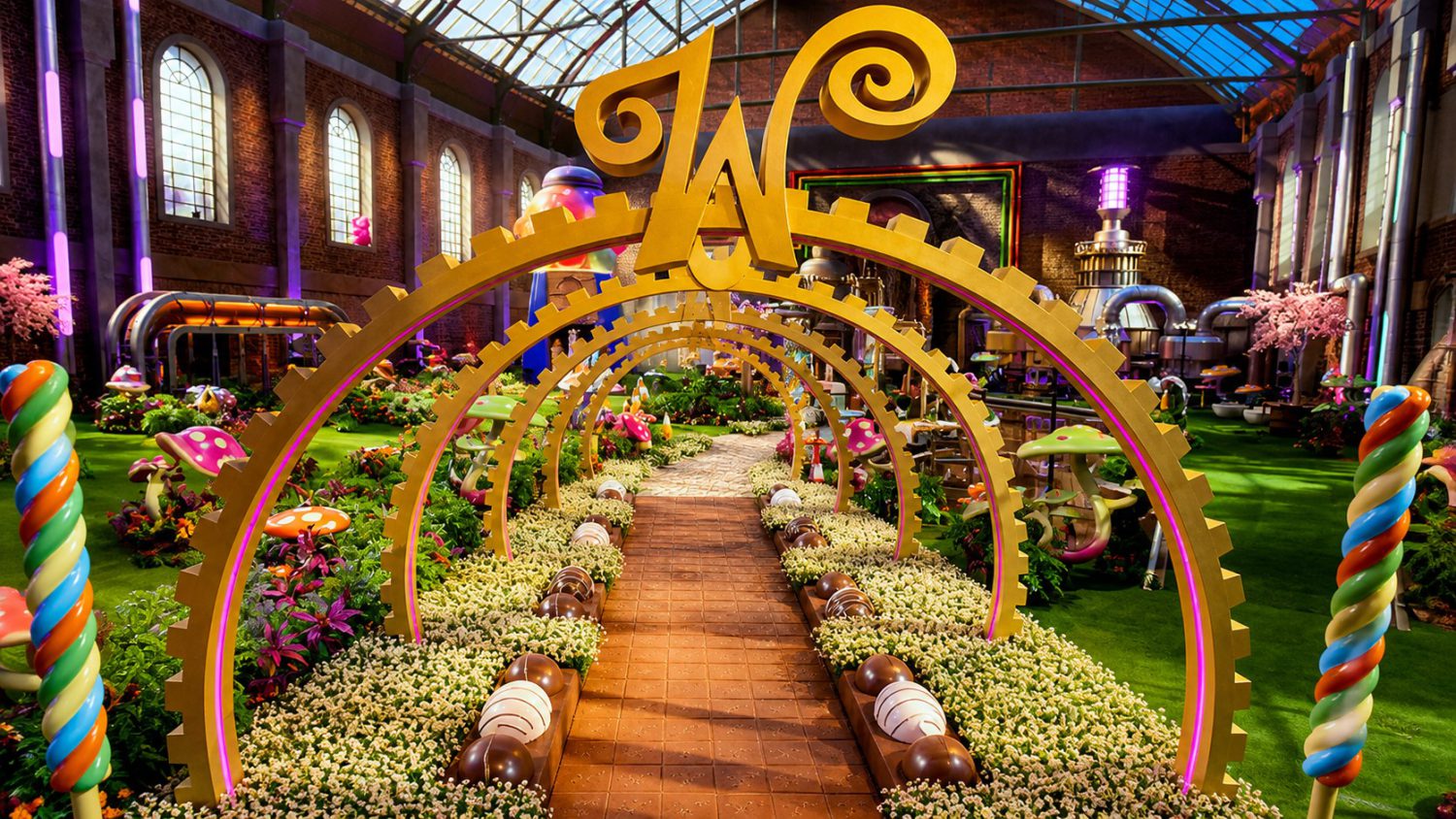
The production design is committed. The premise is quietly revealing.
Contestants compete in pairs across environments that include the chocolate river, the Wonkavision studio, a shrinking hallway, and a honey-themed room, per Variety reporting. The season finale arrives in two parts on September 30.
The $3 million prize is structured as a six-figure income paid out over 30 years. Netflix has converted Wonka’s promised abundance into something closer to a financial product.
Permission Granted. Necessity Unproven.
The estate said yes. That answers the legal question, not the creative one.
Netflix worked with ElevenLabs and Eureka Productions to recreate Wilder’s voice with the cooperation of his estate. Karen B. Wilder publicly described herself as pleased to help introduce her late husband’s work to a new generation, according to Deadline reporting.
That authorization was obtained, disclosed, and real. It tells you what Netflix was allowed to do. It says nothing about whether the choice improves the series.
The Guardian’s review noted an uncanny quality in the result. Critics have argued the recreation can approximate recognizable vocal characteristics but lacks the timing, spontaneity, and live interpretive judgment that made Wilder’s performance specific rather than generic.
When you reduce a performance to its sonic texture and route it through a competition format, you have not honored it. You have sampled it.
The broader context sharpens that concern. According to Variety, ElevenLabs has also recreated voices including Judy Garland, Burt Reynolds, and Michael Caine. The examples suggest a recognizable direction: deceased performers becoming licensable audio assets, one estate agreement at a time.
Dahl’s Factory Was a Trap. Netflix Made It a Set.
Retaining the elimination structure without retaining the critique inverts the story.
“Squid Game: The Challenge” ran a similar play: take source material built around punishing, coercive competition, remove the critique, and sell the format. In Dahl’s story, Wonka’s factory functions as a moral testing ground that exposes greed, appetite, and failure.
Here, it is a backdrop for alliance-building and strategic voting. Retaining the elimination mechanics without the story’s ethical stakes does not adapt the material. It reverses it.
The Real Question Netflix Didn’t Answer
AI replication is a capability. It still requires a justification.
The more productive question is why a production would approximate a deceased performer’s voice rather than cast a living voice actor who can actually perform. A technology’s existence is not an argument for its use.
Netflix’s own framing positions the recreation as an homage, and the estate’s consent was genuine. But framing a cost-adjacent decision as a tribute does not resolve whether the result serves the story, the audience, or the performer’s legacy.
Wonka’s mythology, at its core, is a warning about shortcuts to wonder. A show built on synthetic celebrity presence, branded nostalgia, and elimination mechanics has not entered the factory. It has built a replica outside and is charging for admission.