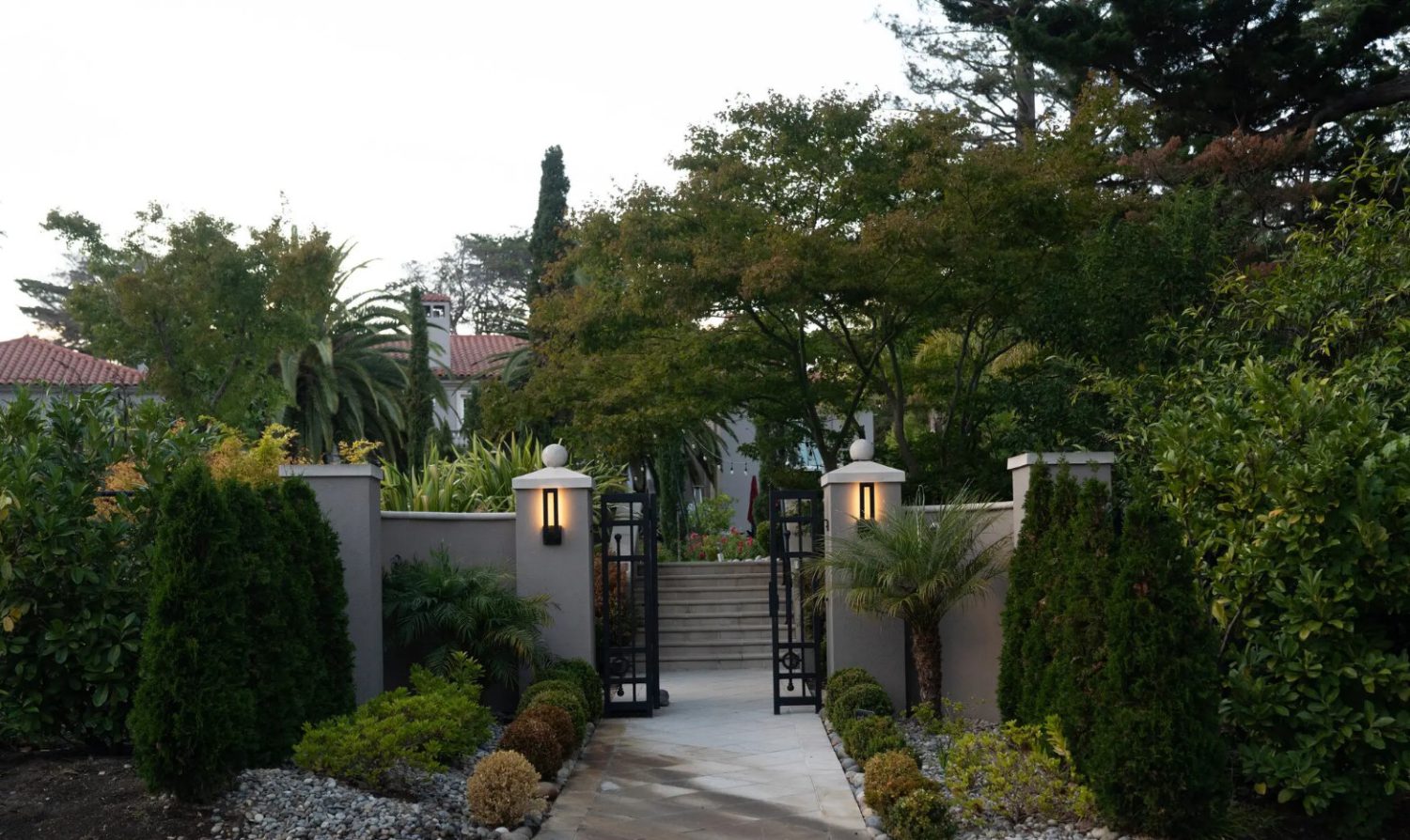
An eight-bedroom Mediterranean-style mansion in Hillsborough, California has hosted talks by Sergey Brin, a performance by Grimes, and according to Hillsborough police records as reported by the New York Times, 37 documented incidents since 2022.
AGI House, named after the hypothetical development of machines with broadly human-level intelligence, markets itself as a hub for people advancing that mission. It also has a cease-and-desist letter from the city manager in its history, sent in November 2023 after events described as occurring several times a week prompted warnings that the property may be violating town restrictions on commercial activity.
Both things are true.
Where the Career Ladder Meets the Guest List
These houses offer founders and engineers something genuinely valuable: direct proximity to the investors, mentors, and collaborators who shape the A.I. industry.
At NeoGenesis, the Hillsborough community that preceded AGI House, Andrej Karpathy reportedly helped establish the property and covered part of the rent during its first year. Sam Altman is associated as an adviser with The Residency, a network of houses that describes its mission as helping young builders create a more abundant and innovative future. Those are not incidental associations.
Rooms at NeoGenesis reportedly ran as high as $10,000 a month. Residents were not paying for square footage; they were paying for proximity to the people who could fund or shape their careers.
The New York Times, which published its investigation on September 21, 2026 based on police records, court documents and more than 20 industry interviews, identified at least 10 such homes currently operating in the Bay Area. That scale makes this an ecosystem, not an anomaly. The governance, however, has not kept pace with the growth.
What the Police Logs Actually Say
The documented record at AGI House goes well beyond noise complaints, and the pattern extends to other properties in the same area.
Hillsborough police logged 37 incidents involving AGI House since 2022, with at least 17 connected to complaints about large parties and events, according to the Times reporting. The November 2023 cease-and-desist from the city manager cited events occurring several times a week, noise complaints, vehicles blocking residential streets, and potential violations of restrictions on commercial activity in residential zones.
The record does not stop at noise. A December police report described a woman who alleged a male resident pressured her to have sex; records indicate she escaped by climbing over a gate. That report does not establish that a crime occurred, and the Times reporting does not indicate that charges followed. It is a police report, attributed as such, and it belongs in this accounting.
A predecessor property, Genesis, had a former resident accused of rape and assault in a 2021 police report. According to the Times, the case remained under investigation; the accused had left the house and could not be located.
A former Genesis landlord alleged more than $60,000 in property damage and later recovered approximately $5,000 through the courts, per court records described in the reporting. These are documented allegations, not convictions. They are also not isolated incidents at a single property.
The Structural Problem the Industry Needs to Solve
The core failure is not communal living itself; it is the absence of any formal accountability structure when a home also functions as a professional network, event venue, and investor pipeline.
People have shared houses, built companies in garages, and mentored one another over dinner tables for decades. The specific risk here is what happens when the same address serves as your home, your office, your investor pipeline, and your weekend event space, with governance that is limited, uneven, or absent.
When your landlord is also your professional network, raising a concern carries career risk that it would not carry in an ordinary rental. That asymmetry is where accountability breaks down.
Rocky Yu, described in court documents as the Hillsborough property’s manager after it was rebranded AGI House in 2023, reportedly attempted to distance the property from its party-house reputation, according to the Times. That instinct points in the right direction. It needs formal structure behind it.
Credible improvements are identifiable: defined occupancy limits for events, written policies on alcohol and guest access, and complaint channels routed to someone outside the house’s social network. That last element matters most. A complaint process that runs through the people you depend on professionally is not a real complaint process; it functions as a deterrent.
Hillsborough’s cease-and-desist shows that at least one municipality responded with formal scrutiny when complaints accumulated. Thirty-seven documented incidents is a pattern, and patterns draw regulatory attention. The question is whether the A.I. community builds accountability into these spaces proactively, or waits for zoning enforcement to do it for them.
The Houses That Deserve to Survive Will Earn It
Utopian language is not a substitute for governance, and the communities that endure will be the ones that treat safety with the same seriousness they bring to everything else.
The mission-driven framing running through these communities, “advancing humanity,” building a more peaceful and abundant world, is not inherently dishonest. But language does not govern behavior. The A.I. industry is building systems intended to operate at civilizational scale. Running its own social infrastructure without clear rules for safety, consent, and accountability is a structural mismatch the industry has the means to fix. The houses that last, and that deserve to, will be the ones that close that gap before a city council does it for them.